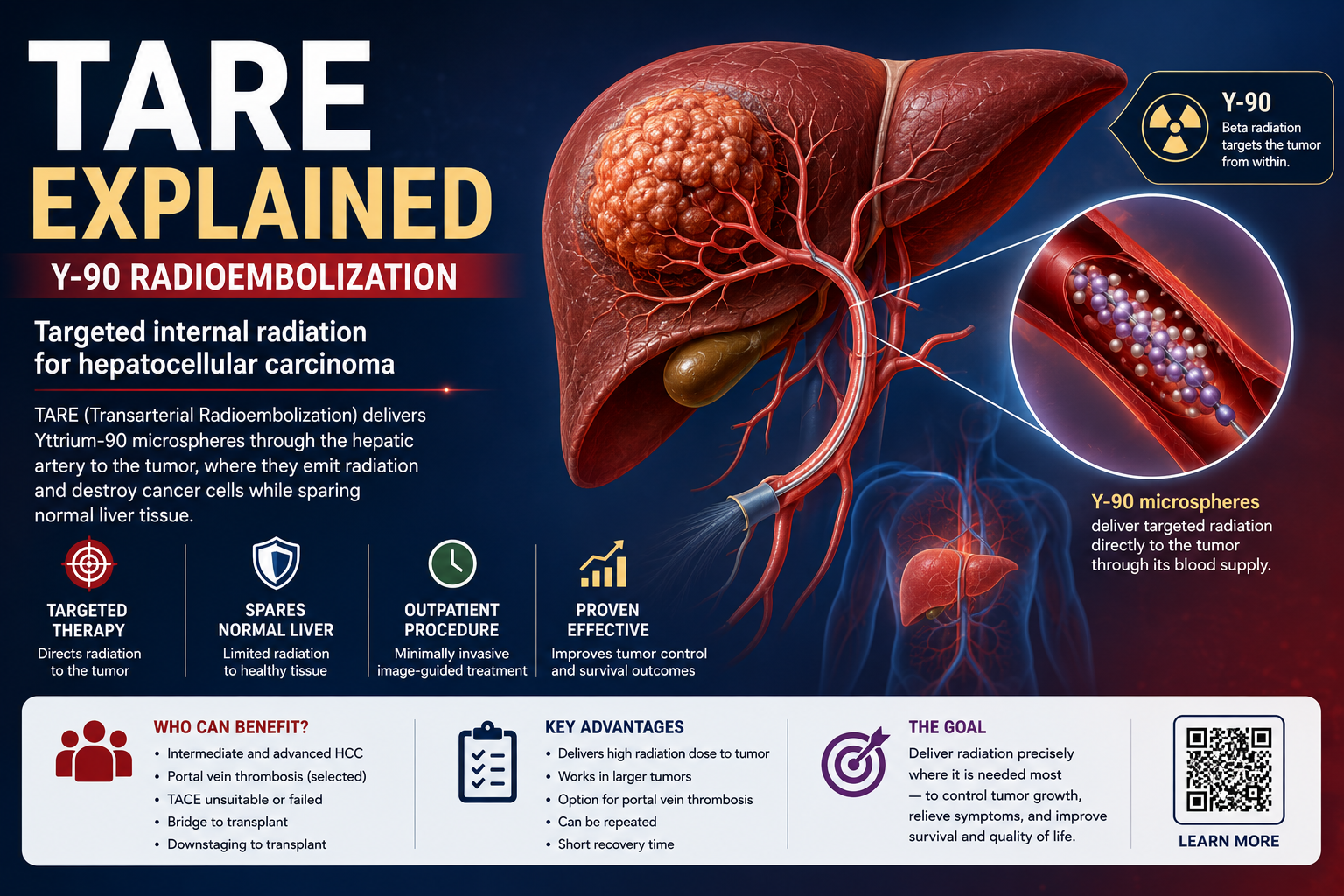
TARE Explained: Y-90 Radioembolization for Hepatocellular Carcinoma (HCC)
Understand TARE clearly: Y-90 radioembolization for HCC, arterial tumor targeting, mapping angiogram, lung shunt fraction, Y90 microspheres, BCLC role, radiation segmentectomy, radiation lobectomy, mRECIST, portal vein thrombosis, bridge therapy and downstaging.
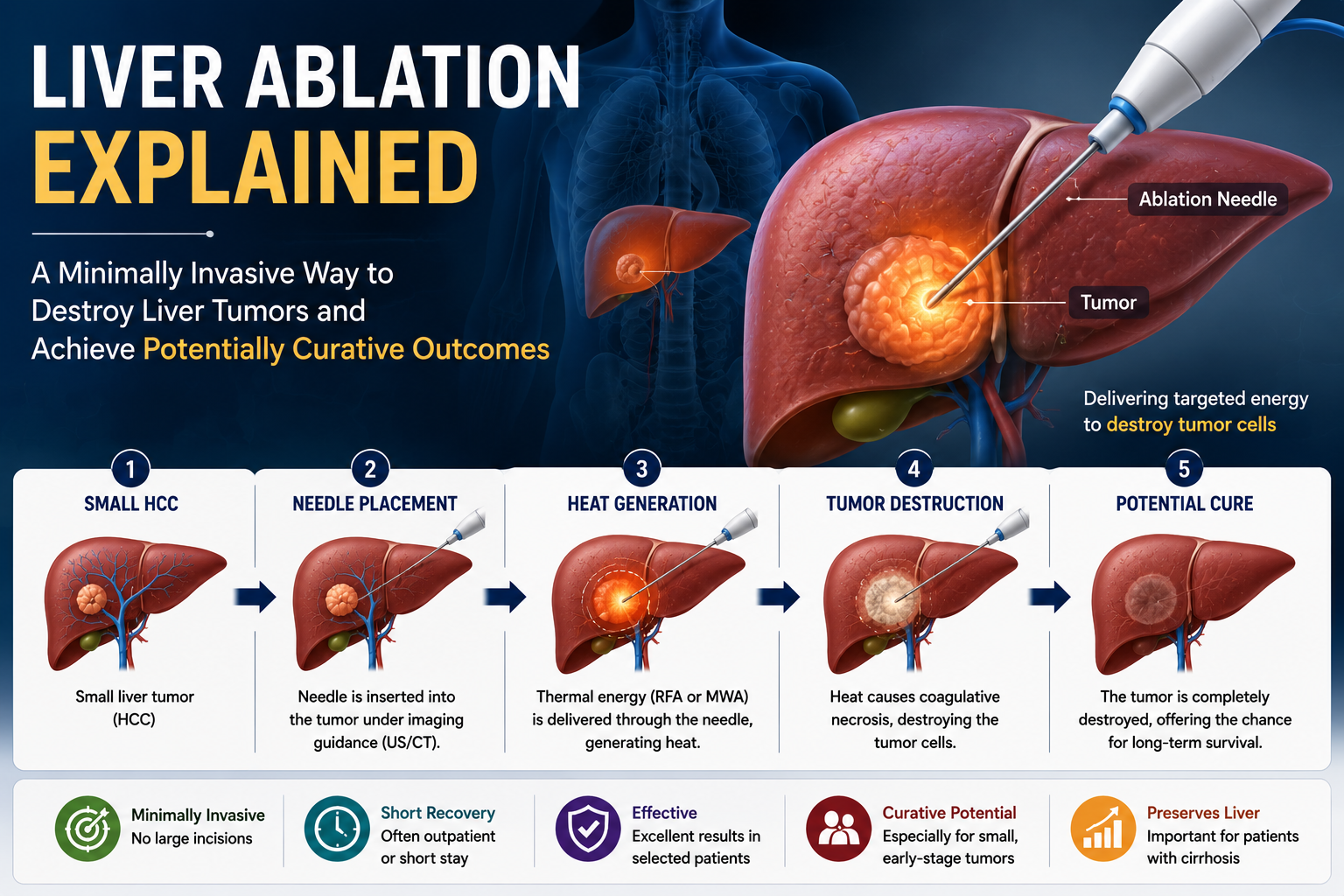
Liver Ablation Explained: Radiofrequency and Microwave Ablation for Hepatocellular Carcinoma (HCC)
Understand liver ablation clearly: RFA, MWA, thermal tumor destruction, indications, tumor size limits, ablation vs resection, transplant and TACE, complications, prognosis and curative-intent treatment for small HCC.
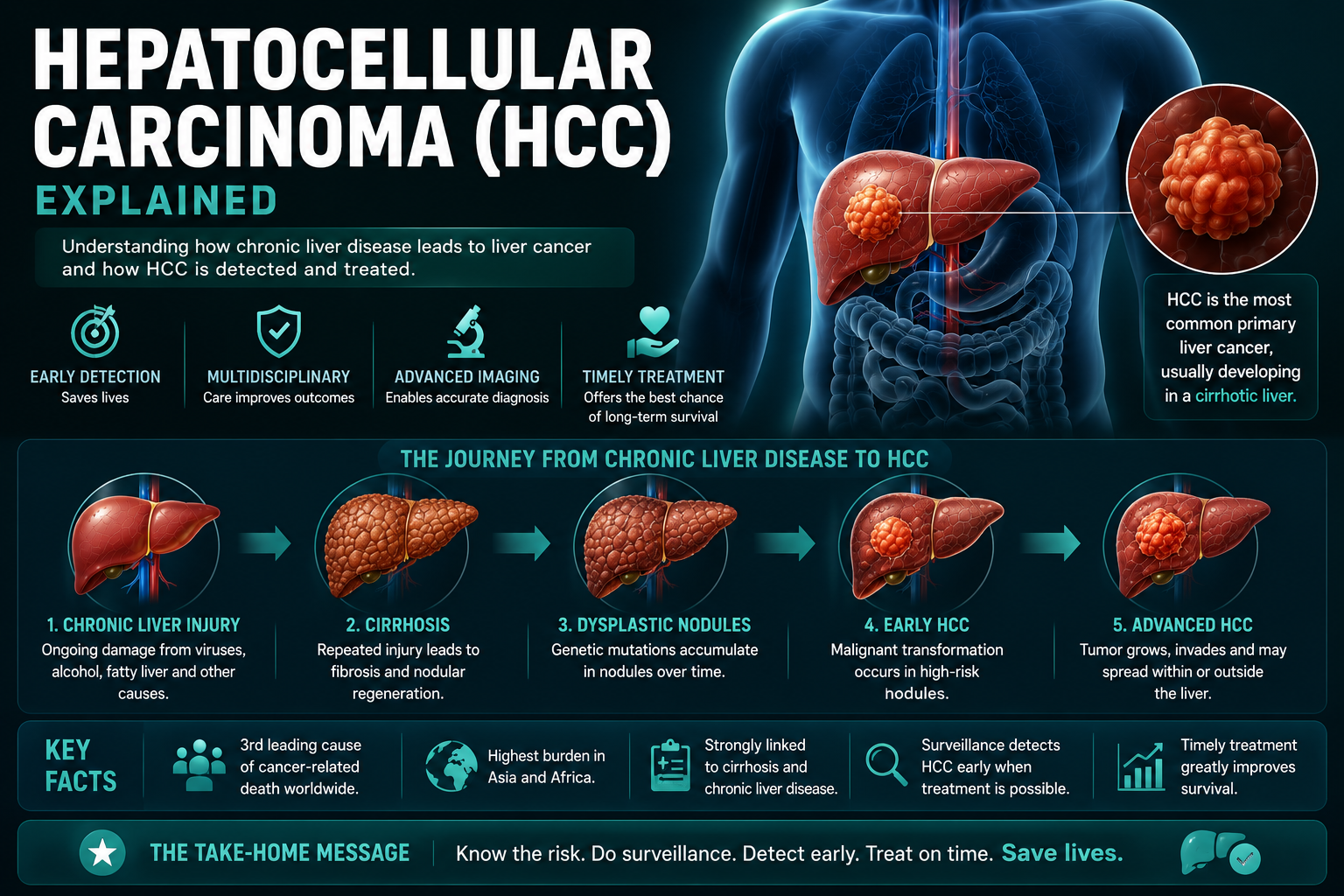
Hepatocellular Carcinoma (HCC) Explained: Causes, Surveillance, Diagnosis, LI-RADS and Treatment
Understand hepatocellular carcinoma clearly: cirrhosis and HCC risk, AFP, surveillance, blood supply arterialization, arterial enhancement and washout, LI-RADS, BCLC staging, Milan criteria, TACE and liver transplant for HCC.

TACE Explained: Transarterial Chemoembolization for Hepatocellular Carcinoma (HCC)
Understand TACE clearly: transarterial chemoembolization for HCC, arterial tumor supply, Child-Pugh suitability, conventional vs drug-eluting bead TACE, bridge therapy, downstaging, TACE vs TARE, mRECIST response assessment, repeat TACE and complications.
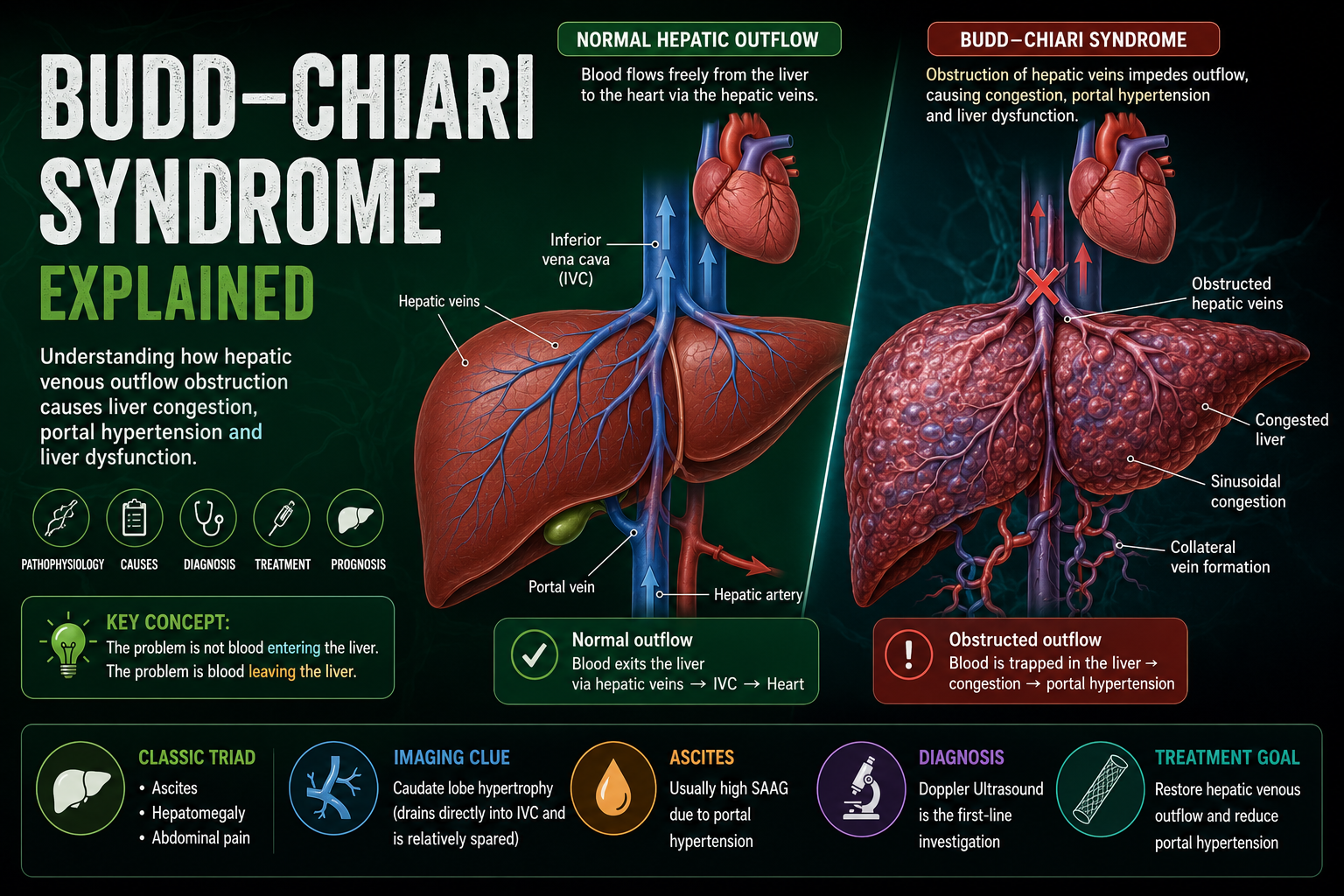
Budd-Chiari Syndrome Explained: Pathophysiology, Causes, Diagnosis & Treatment
Understand Budd-Chiari syndrome clearly: hepatic venous outflow obstruction, blocked drain pathophysiology, congestion, ascites, portal hypertension, caudate lobe hypertrophy, diagnosis and treatment.
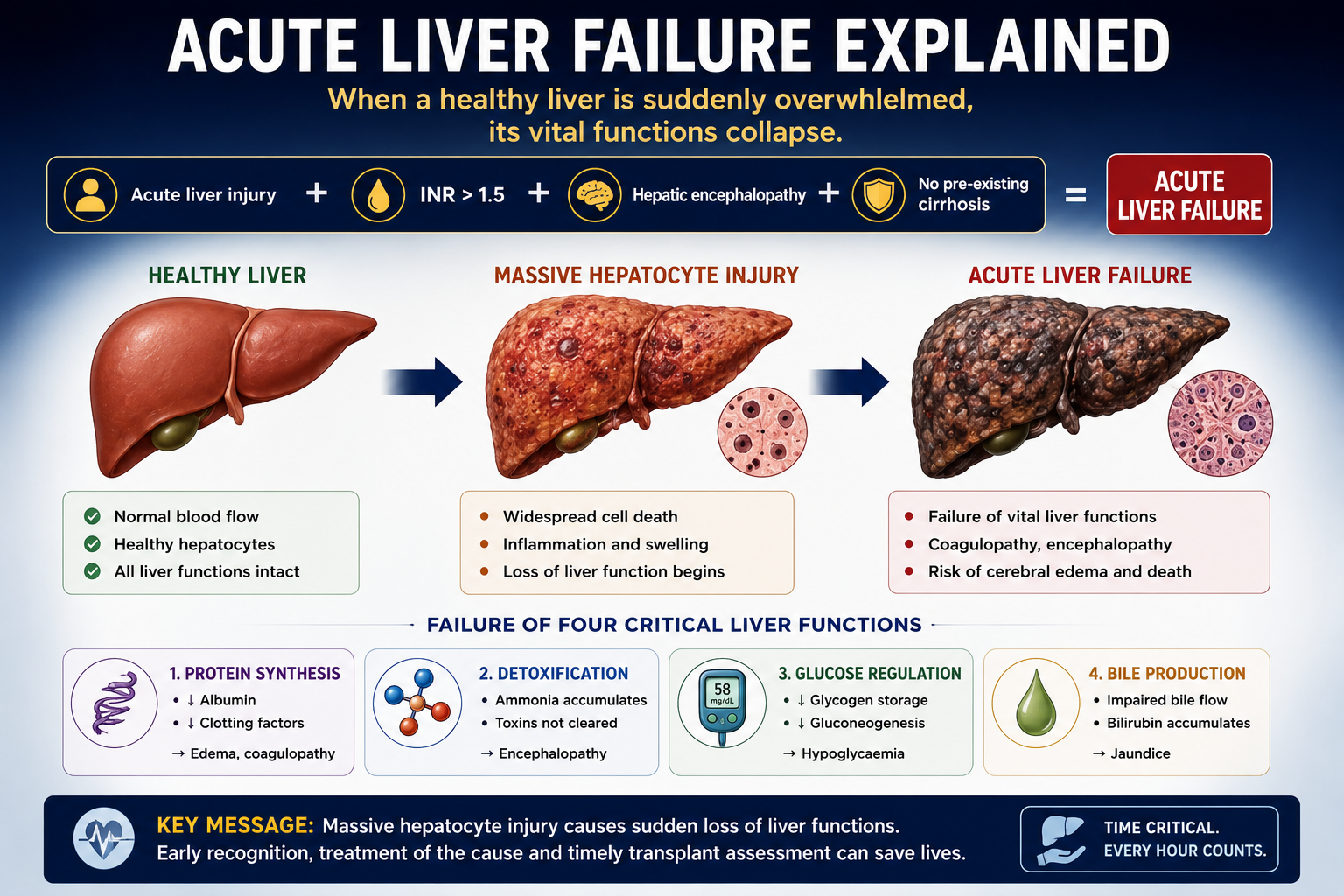
Acute Liver Failure Explained: Causes, Pathophysiology, Diagnosis & Management
Understand acute liver failure clearly: massive hepatocyte injury, hyperacute vs acute vs subacute ALF, INR rise, jaundice, encephalopathy, cerebral edema, cause-specific prognosis, ICU management and early transplant assessment.
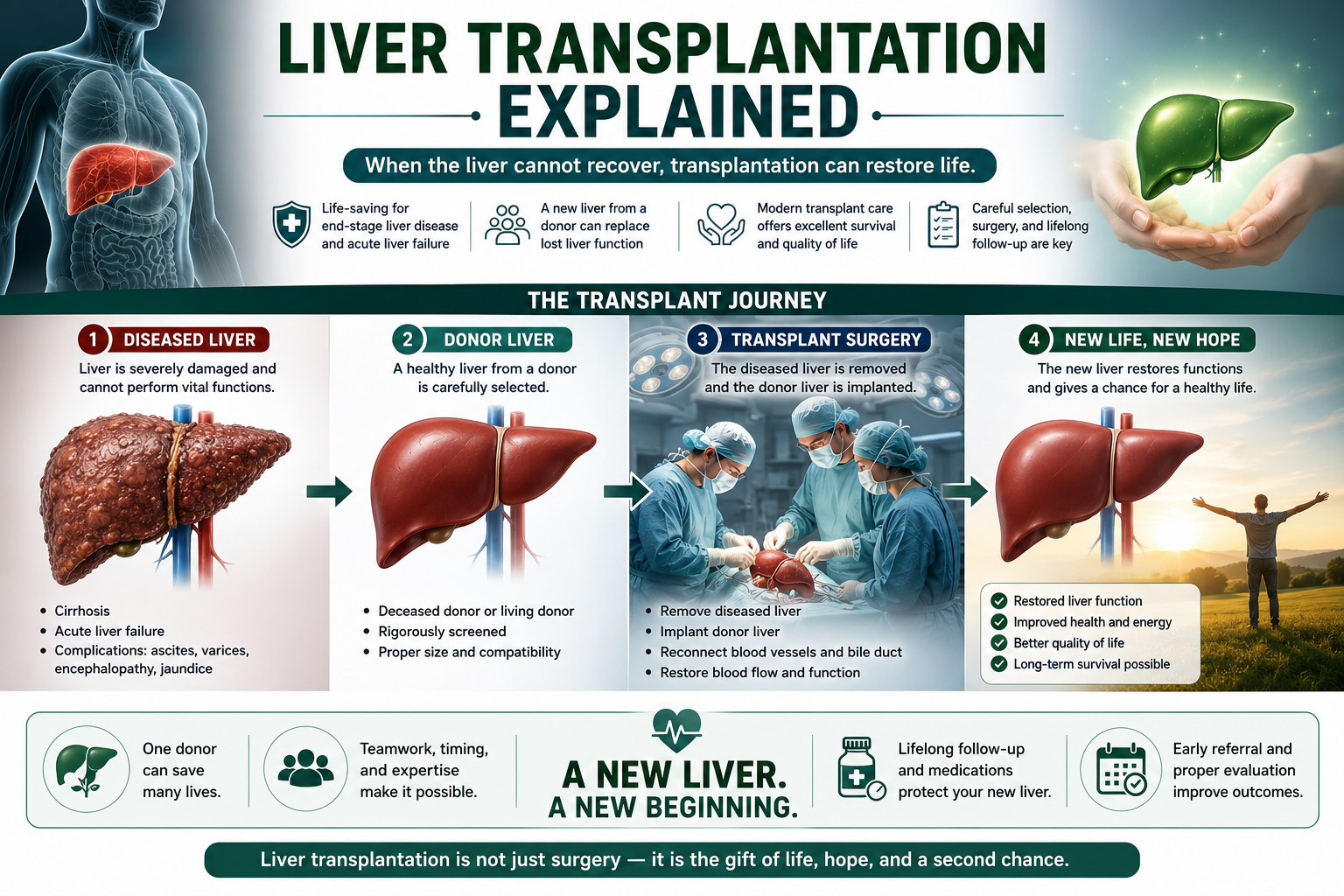
Liver Transplantation Explained: Indications, MELD Score, Surgery, Rejection & Outcomes
Understand liver transplantation clearly: indications, HCC criteria, MELD allocation, donor livers, OLT, living donor transplant, liver regeneration, rejection, immunosuppression, bridge therapy and life after transplant.
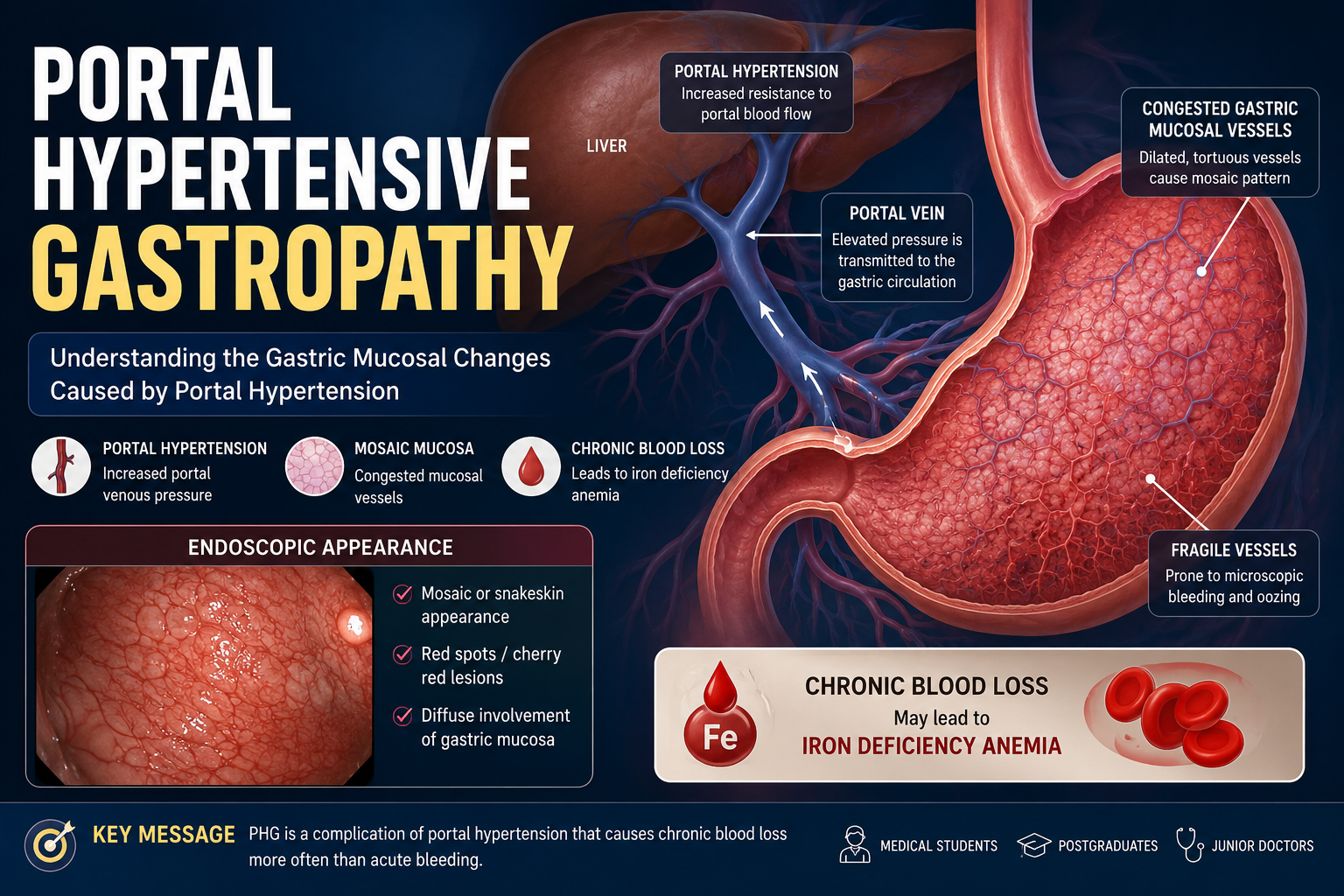
Portal Hypertensive Gastropathy (PHG) Explained: Pathophysiology, PHG vs GAVE & Treatment
Understand portal hypertensive gastropathy clearly: pathophysiology, mosaic snakeskin appearance, how PHG causes iron deficiency anaemia, PHG vs GAVE, PHG vs gastric varices, and management with beta blockers and TIPS.
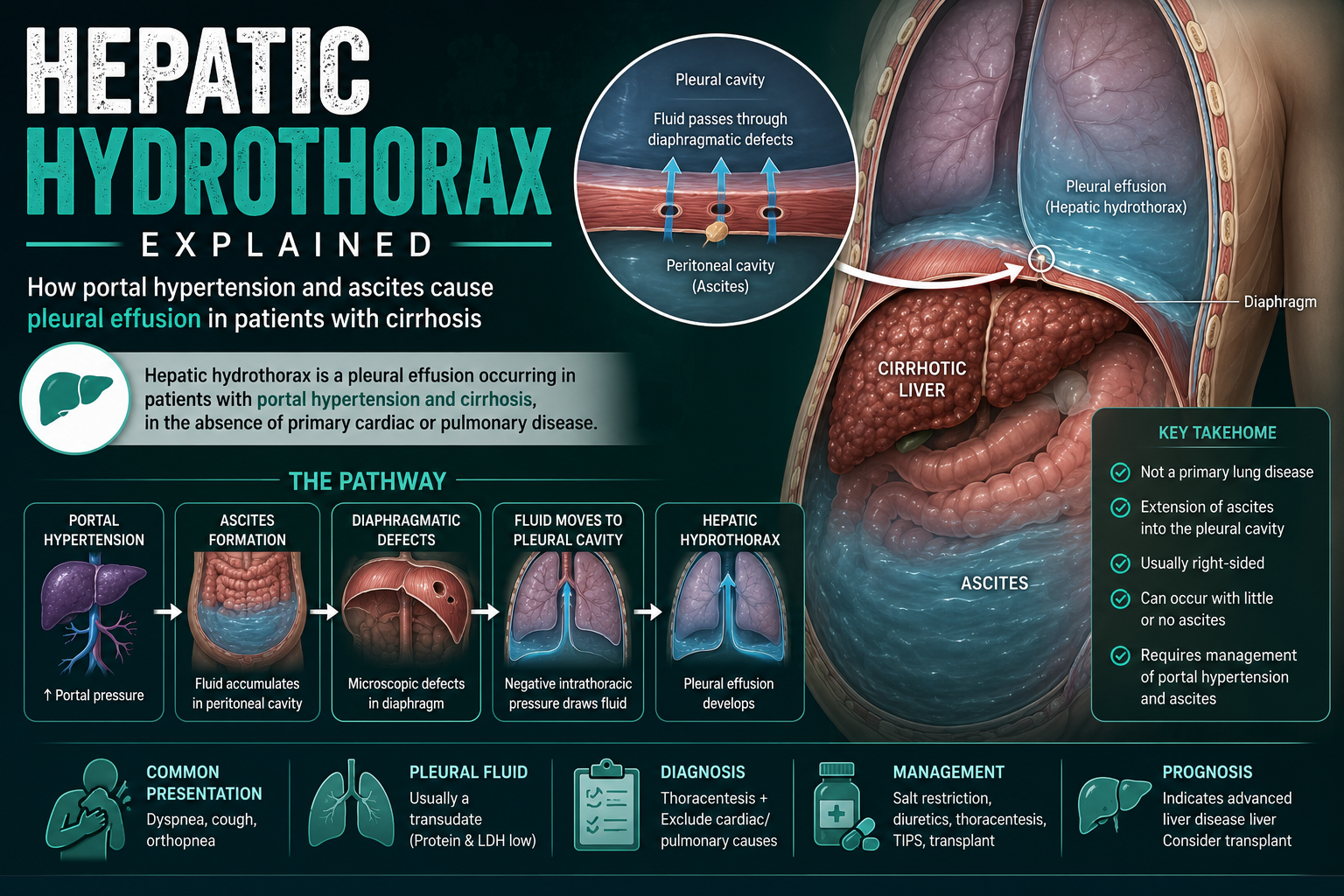
Hepatic Hydrothorax Explained: Pathophysiology, Diagnosis, Treatment & TIPS
Understand hepatic hydrothorax clearly: why ascites causes pleural effusion through diaphragmatic defects, why it is usually right-sided, why it can occur without obvious ascites, and why chest drains are dangerous. Covers diagnosis, TIPS, spontaneous bacterial empyema and prognosis.
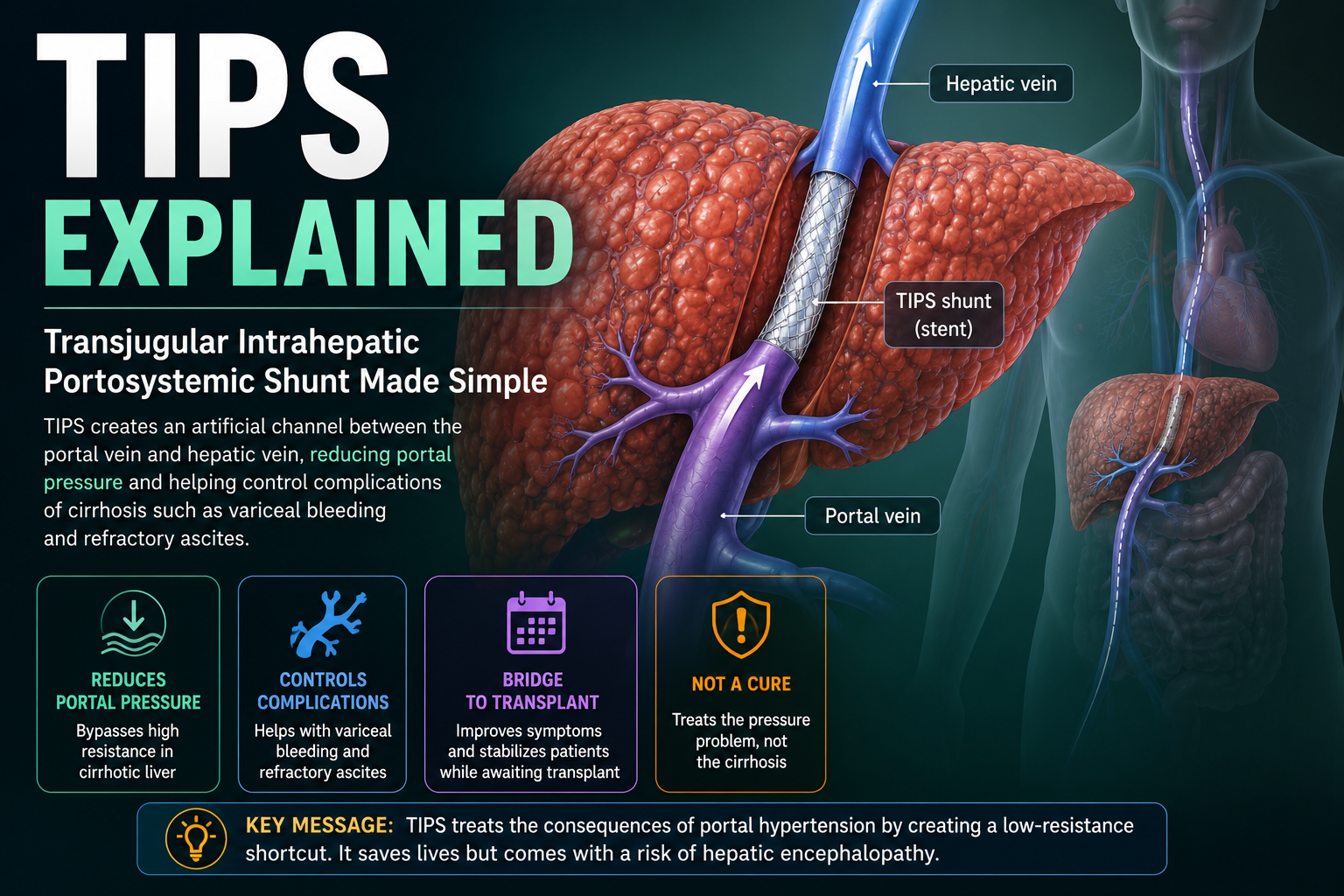
TIPS Explained: Transjugular Intrahepatic Portosystemic Shunt Made Simple
Understand TIPS clearly: how a transjugular intrahepatic portosystemic shunt reduces HVPG and portal pressure, indications, contraindications, benefits, complications and encephalopathy risk.
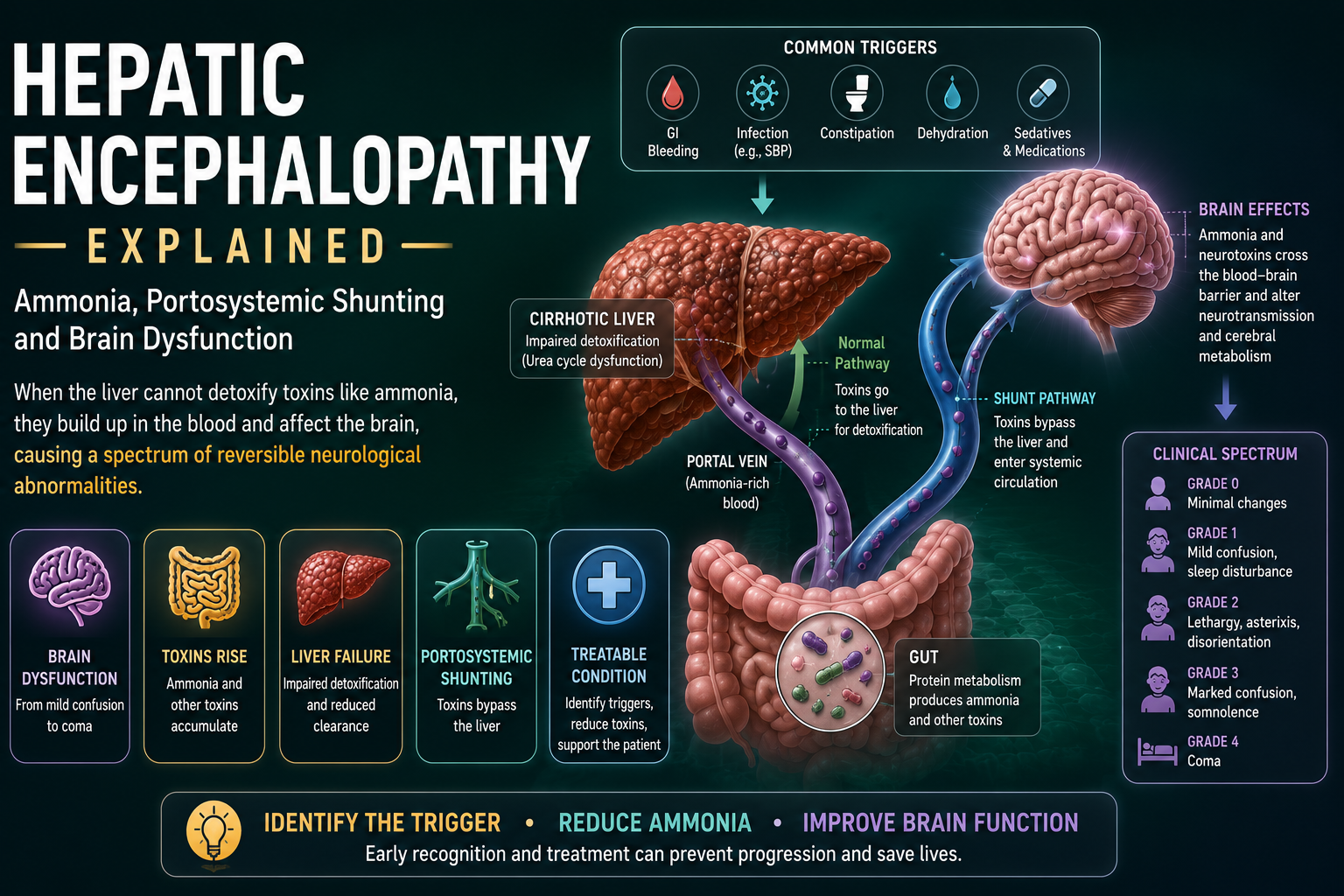
Hepatic Encephalopathy Explained: Ammonia, Portosystemic Shunting and Brain Dysfunction Made Simple
Understand hepatic encephalopathy clearly: ammonia interpretation, portosystemic shunting, covert and overt HE, West Haven grades, triggers, lactulose, rifaximin and TIPS.
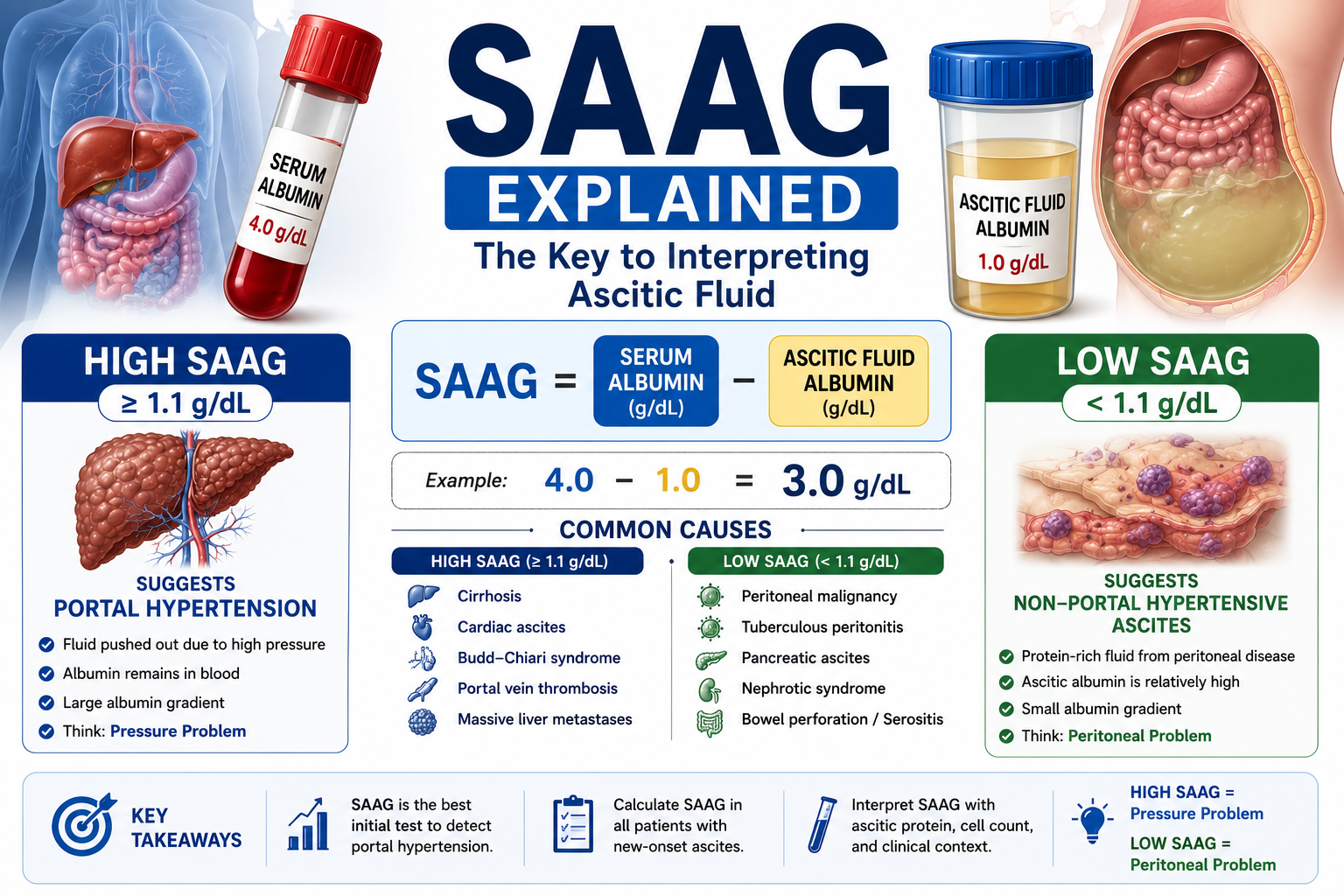
Understand the Serum-Ascites Albumin Gradient formula, why high SAAG means portal hypertension, low SAAG causes, worked examples, and how to combine SAAG with ascitic fluid protein.
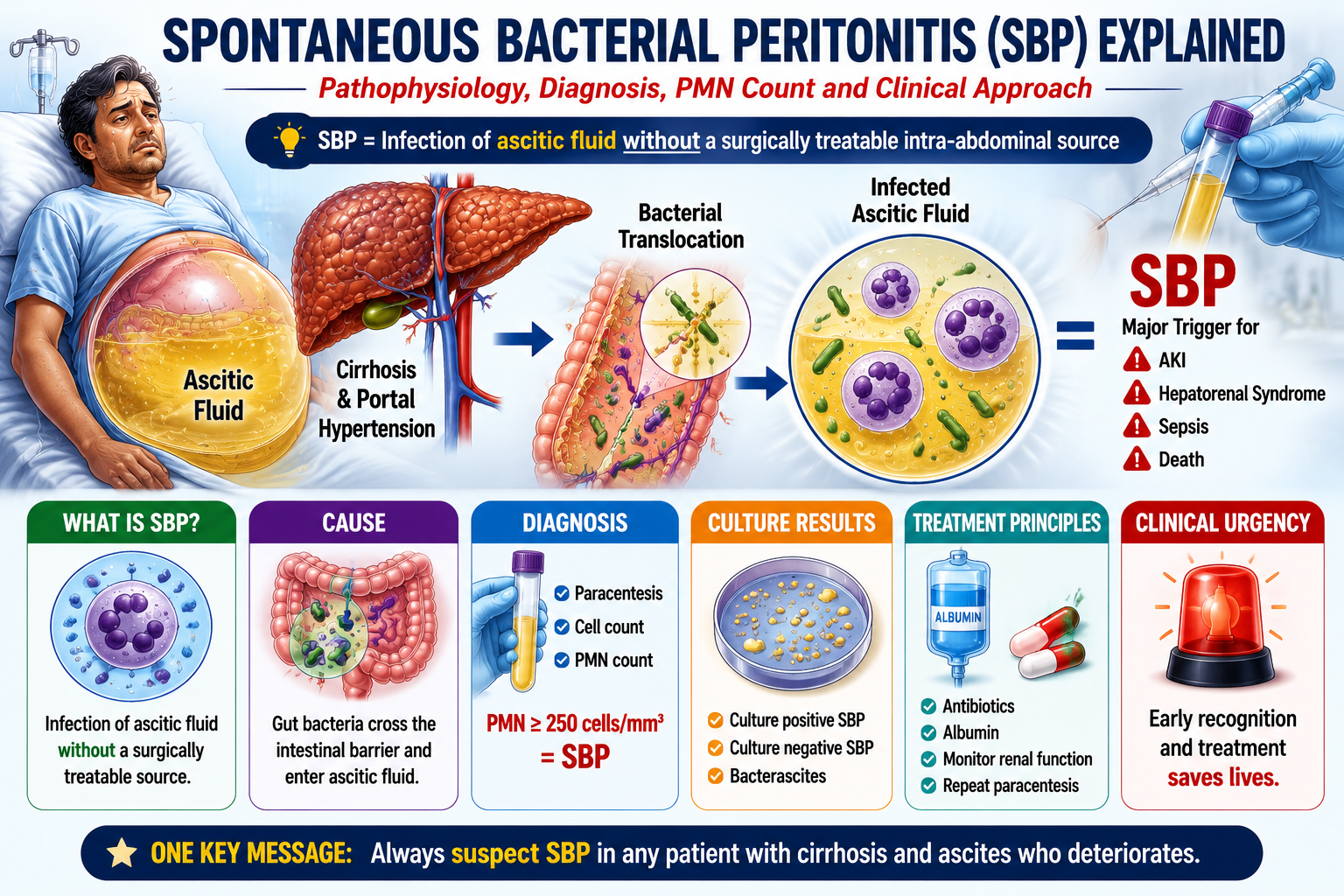
Understand SBP clearly: bacterial translocation, PMN cutoff, risk factors, culture-negative neutrocytic ascites, albumin use, diagnosis and complications.
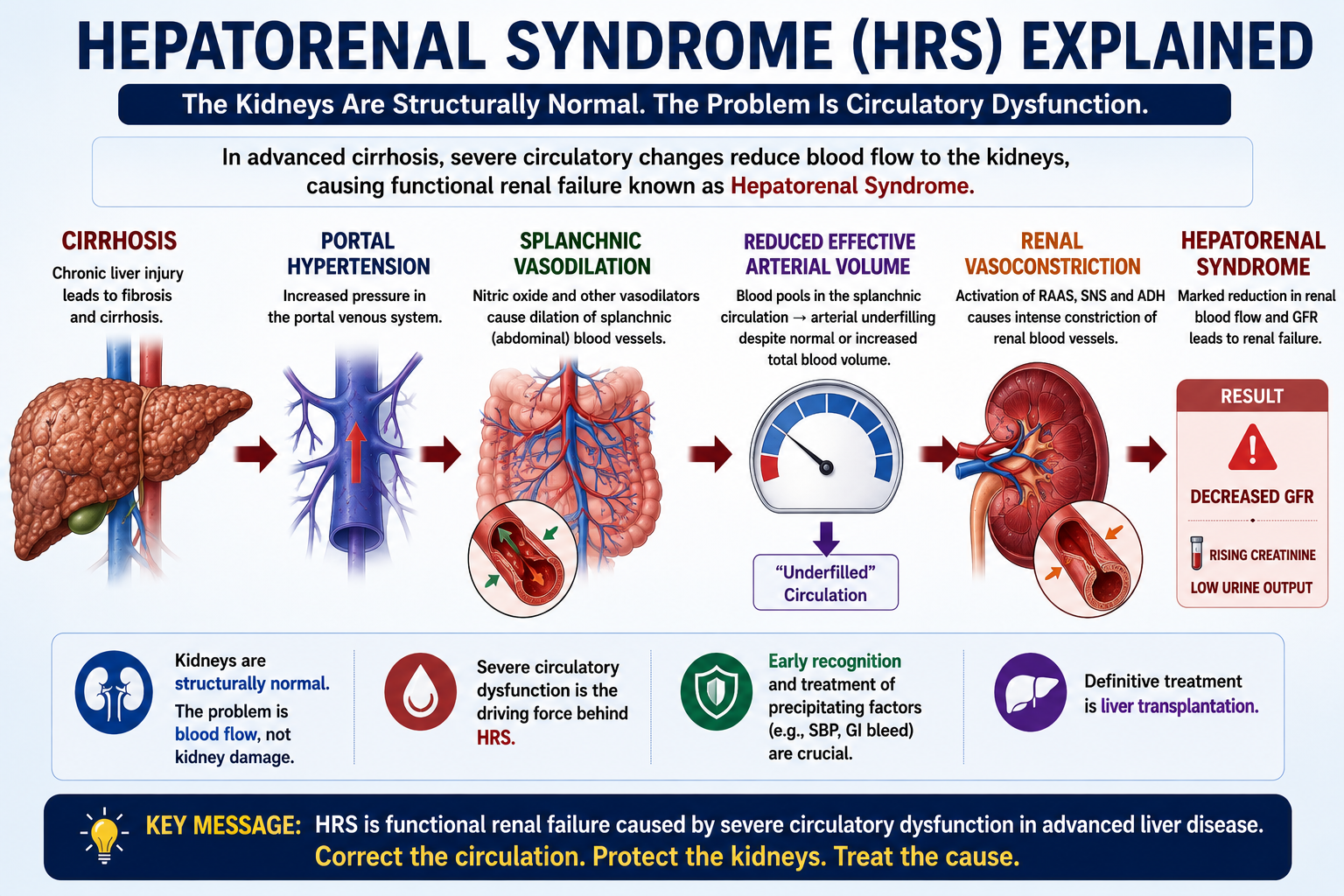
Hepatorenal Syndrome (HRS) Explained: Pathophysiology, Diagnosis and Clinical Approach
Understand hepatorenal syndrome clearly: why kidneys fail in cirrhosis, HRS diagnostic criteria, pathophysiology, HRS vs ATN, albumin, terlipressin and prognosis.
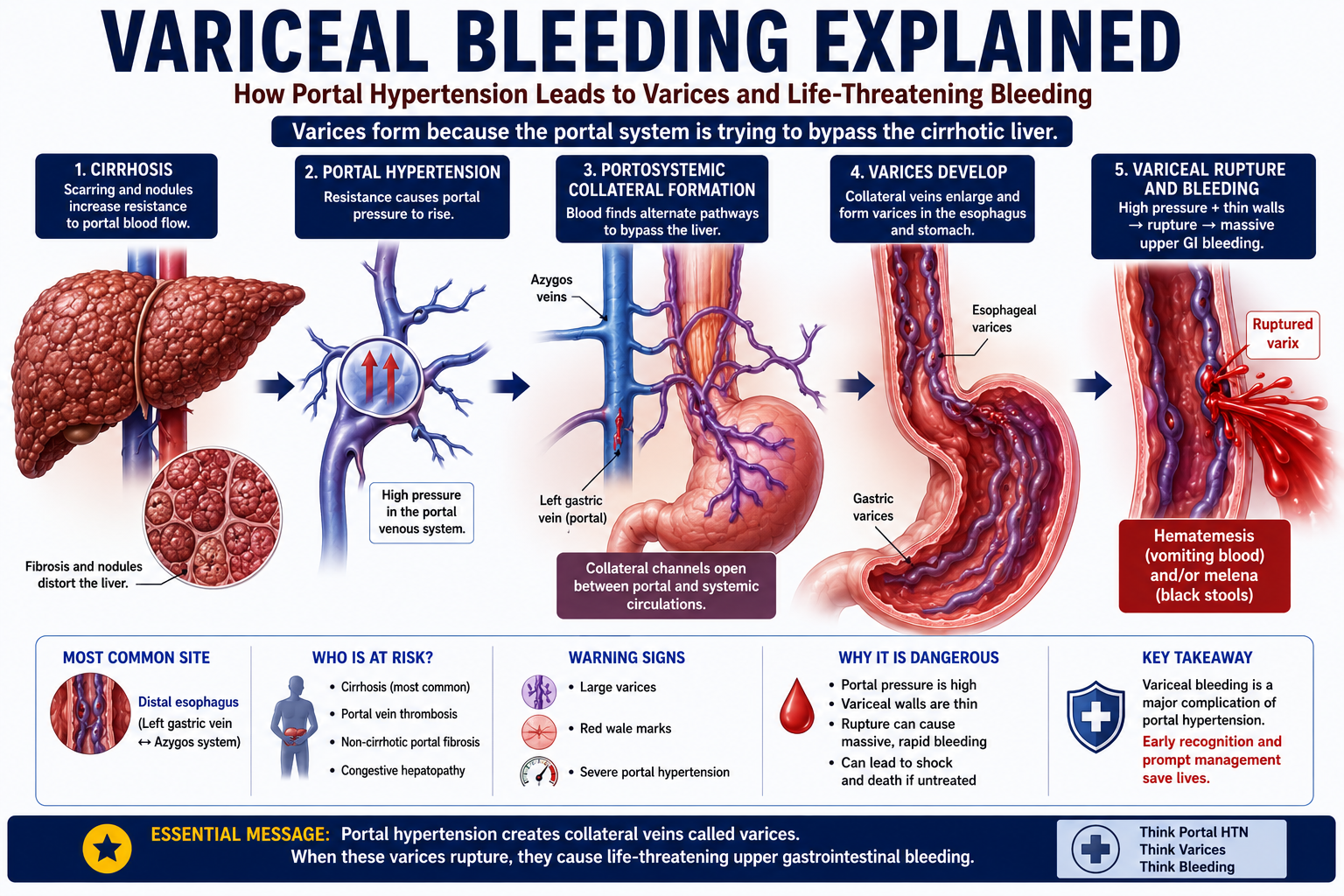
Variceal Bleeding Explained: Pathophysiology, Clinical Features and Management Principles
Understand variceal bleeding clearly: portal hypertension, HVPG thresholds, collateral formation, red wale marks, variceal rupture, endoscopy, band ligation and TIPS.
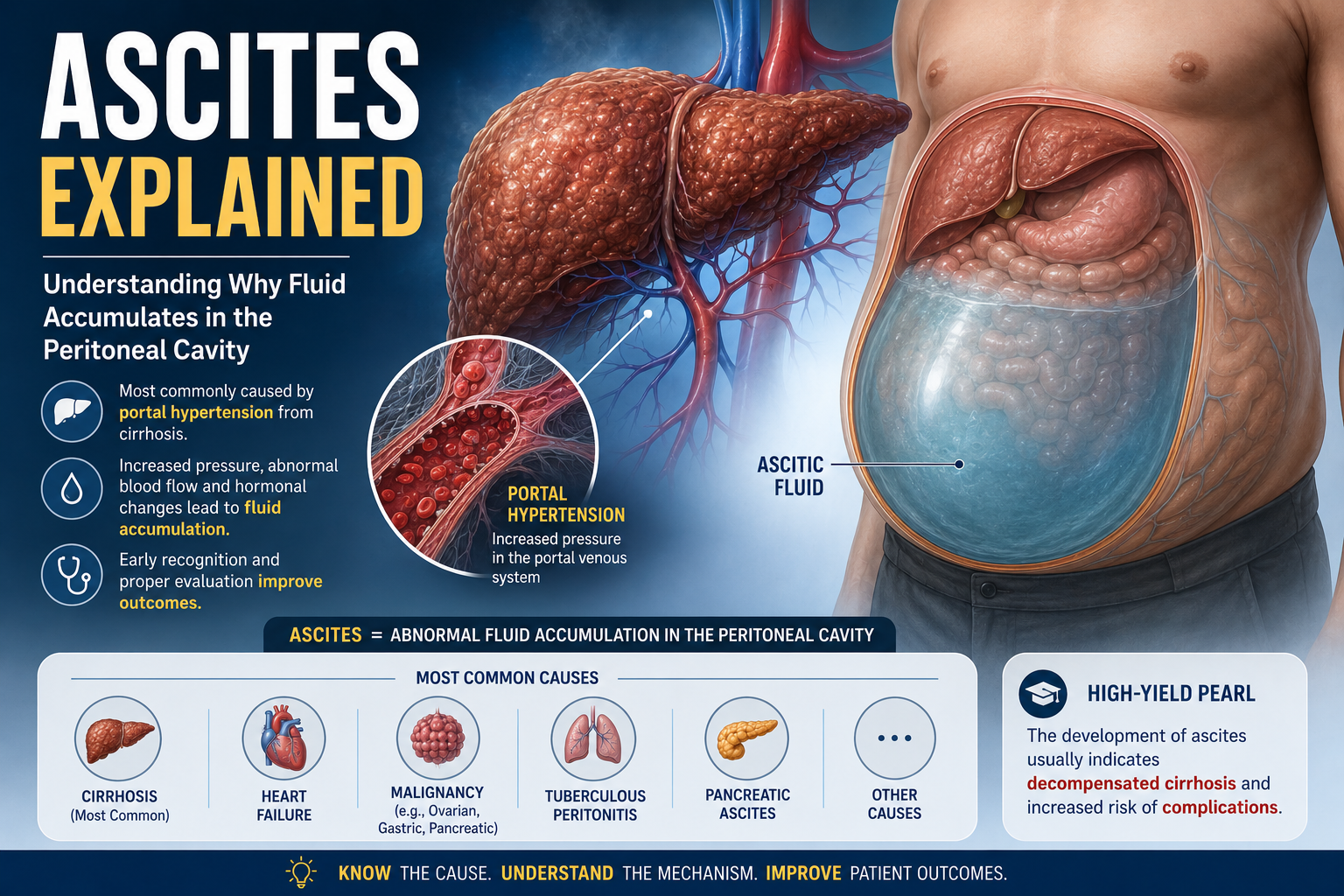
Learn how ascites develops, the role of portal hypertension, RAAS activation, diagnostic paracentesis, SAAG interpretation, and major complications.
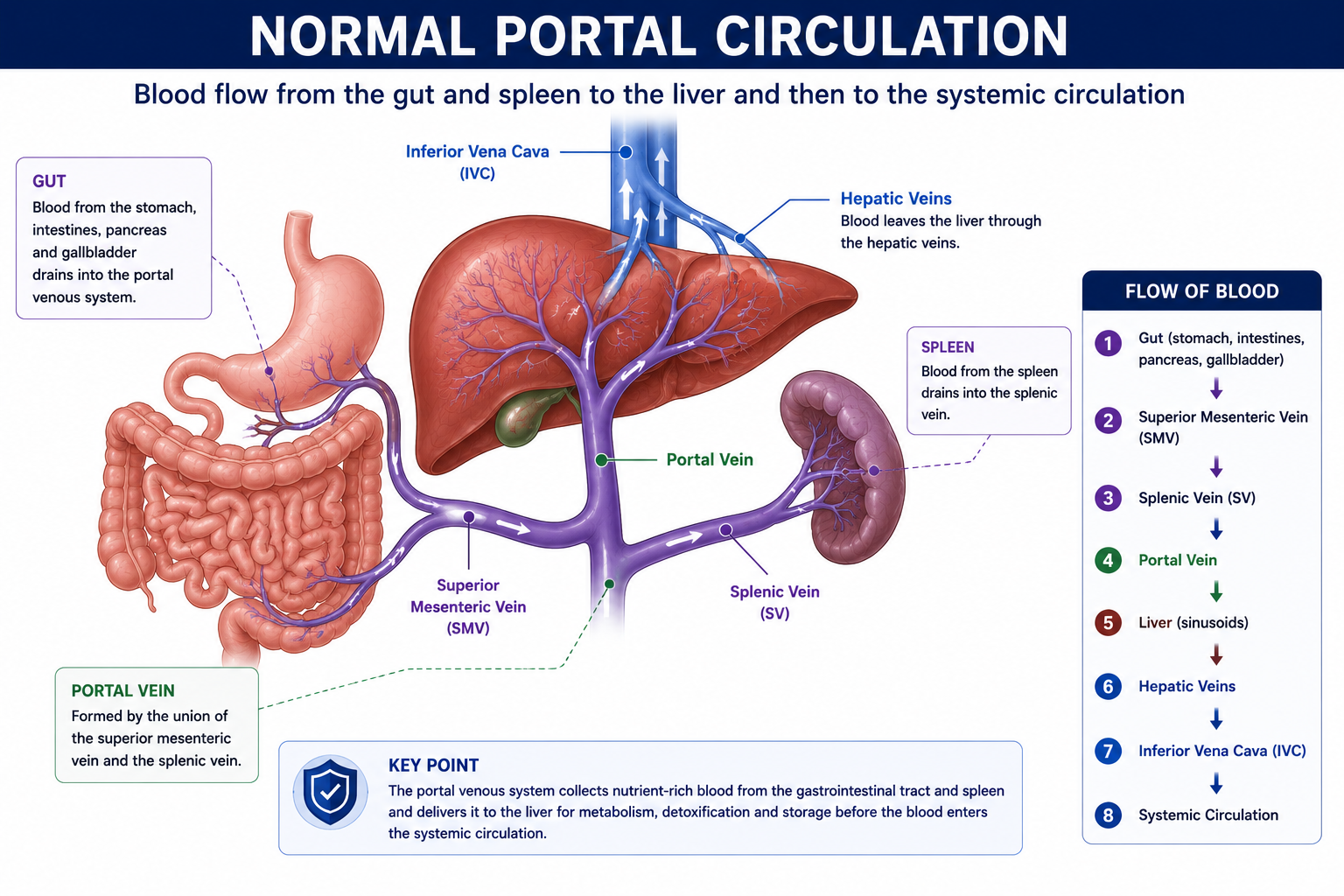
Learn portal hypertension, normal portal venous circulation, how cirrhosis increases portal pressure, and why varices, splenomegaly, thrombocytopenia and ascites develop.
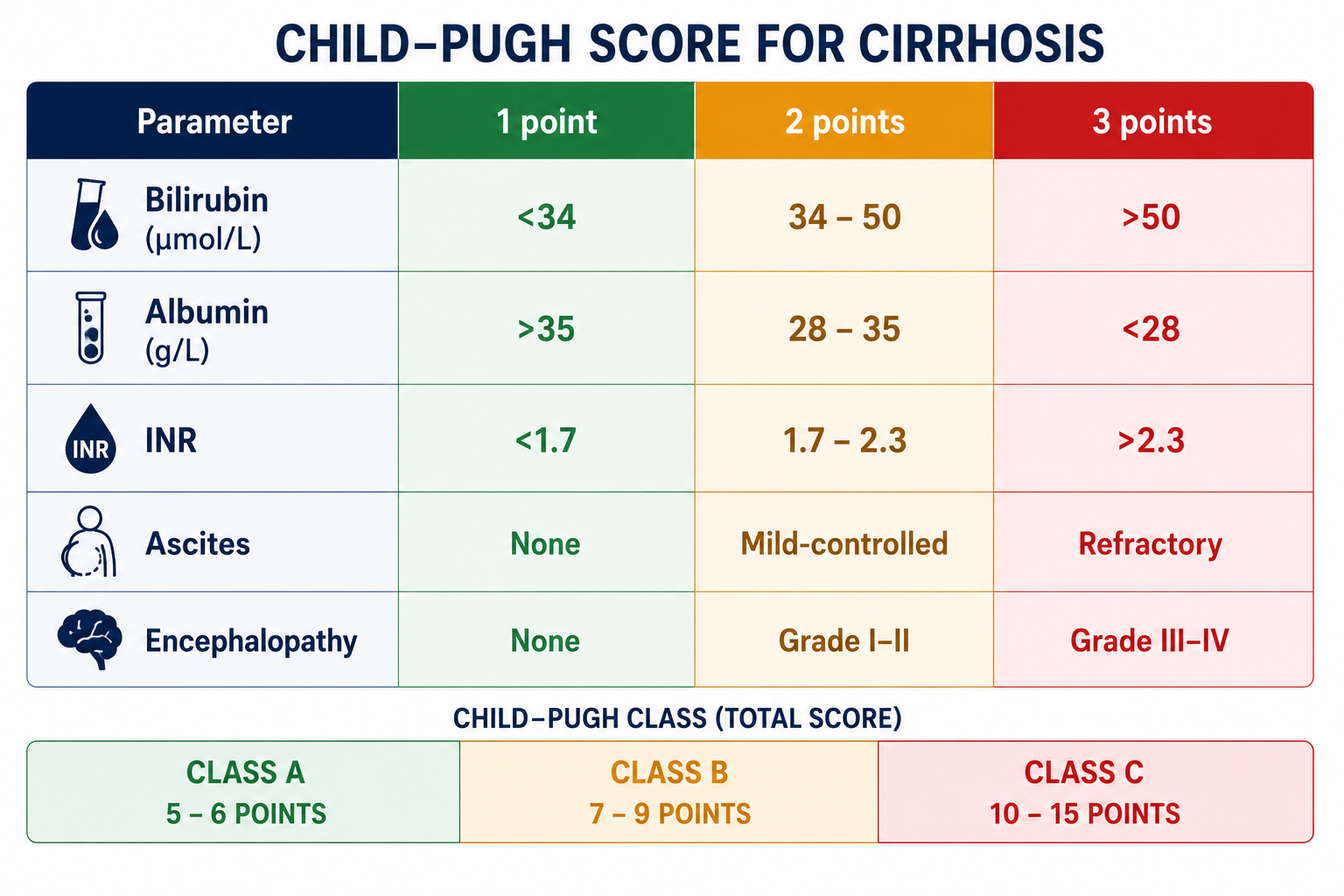
The five components of Child-Pugh scoring, worked example, Classes A, B, and C, prognosis, limitations, and comparison with the MELD score.
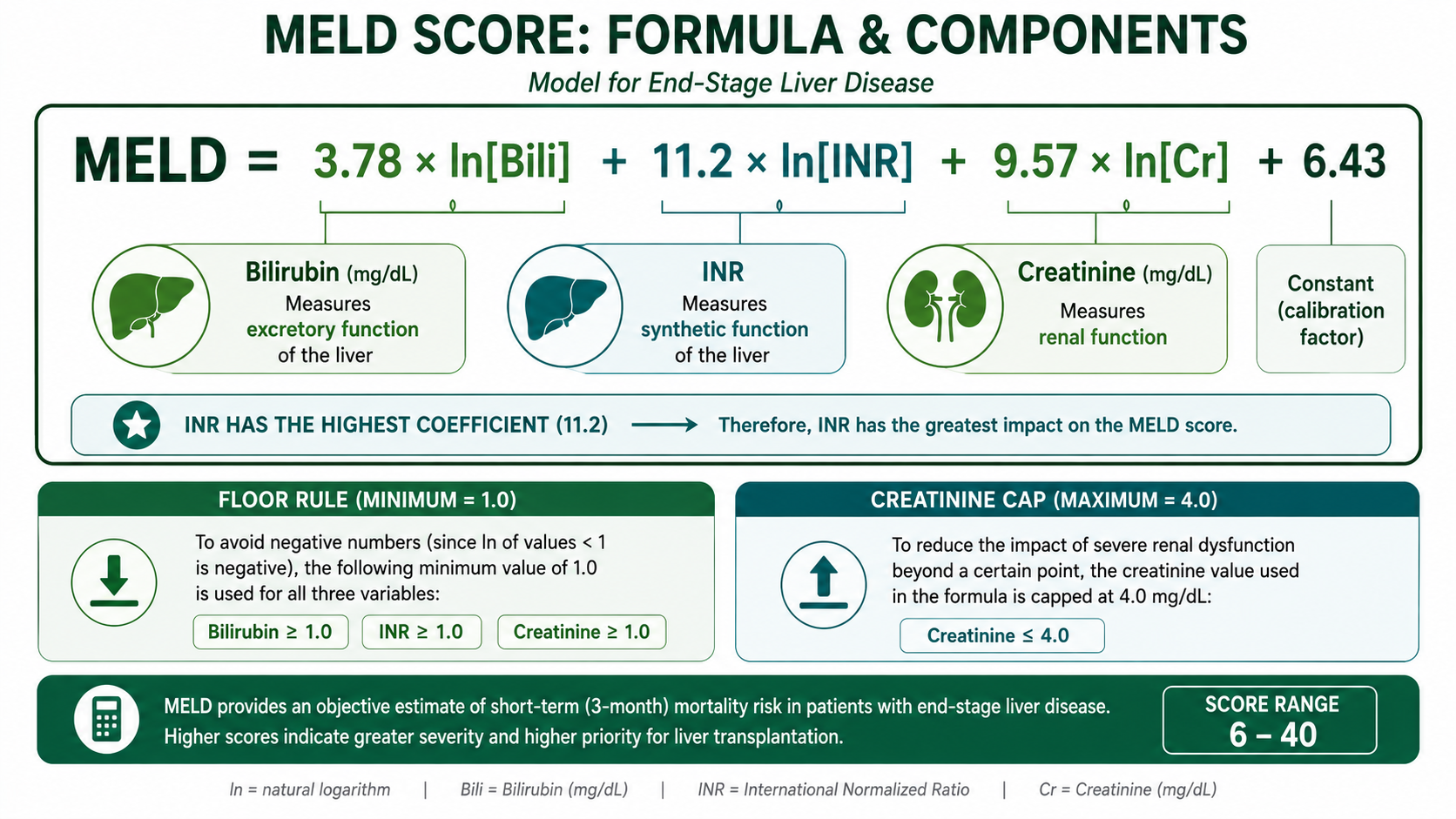
MELD formula (bilirubin, INR, creatinine), worked example, score interpretation ranges, MELD-Na, transplant prioritisation, and comparison with Child-Pugh.