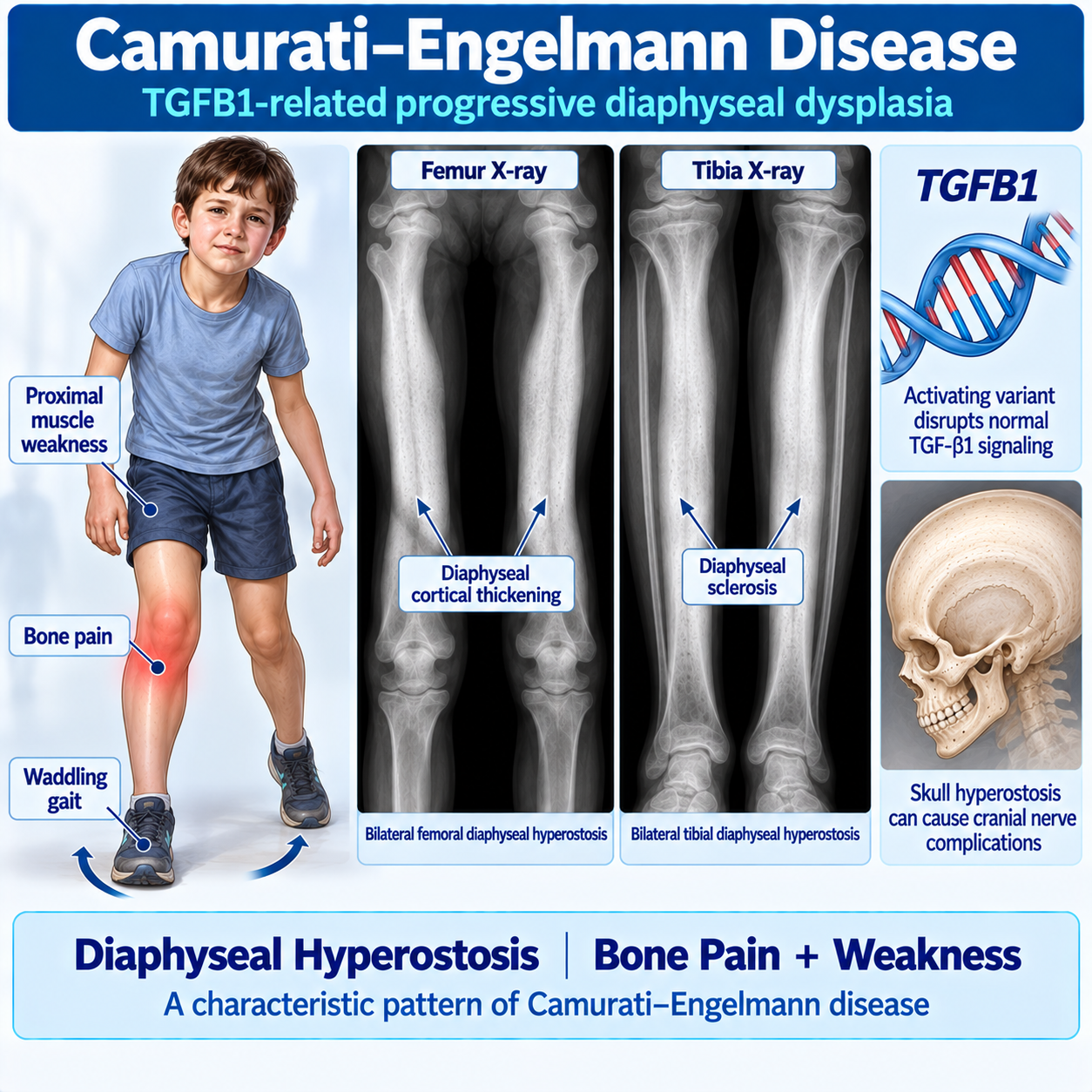
Camurati–Engelmann Disease: TGFB1, Diagnosis and Treatment
TGFB1-related progressive diaphyseal dysplasia, hyperostosis, bone pain, muscle weakness, radiology, diagnosis and treatment.
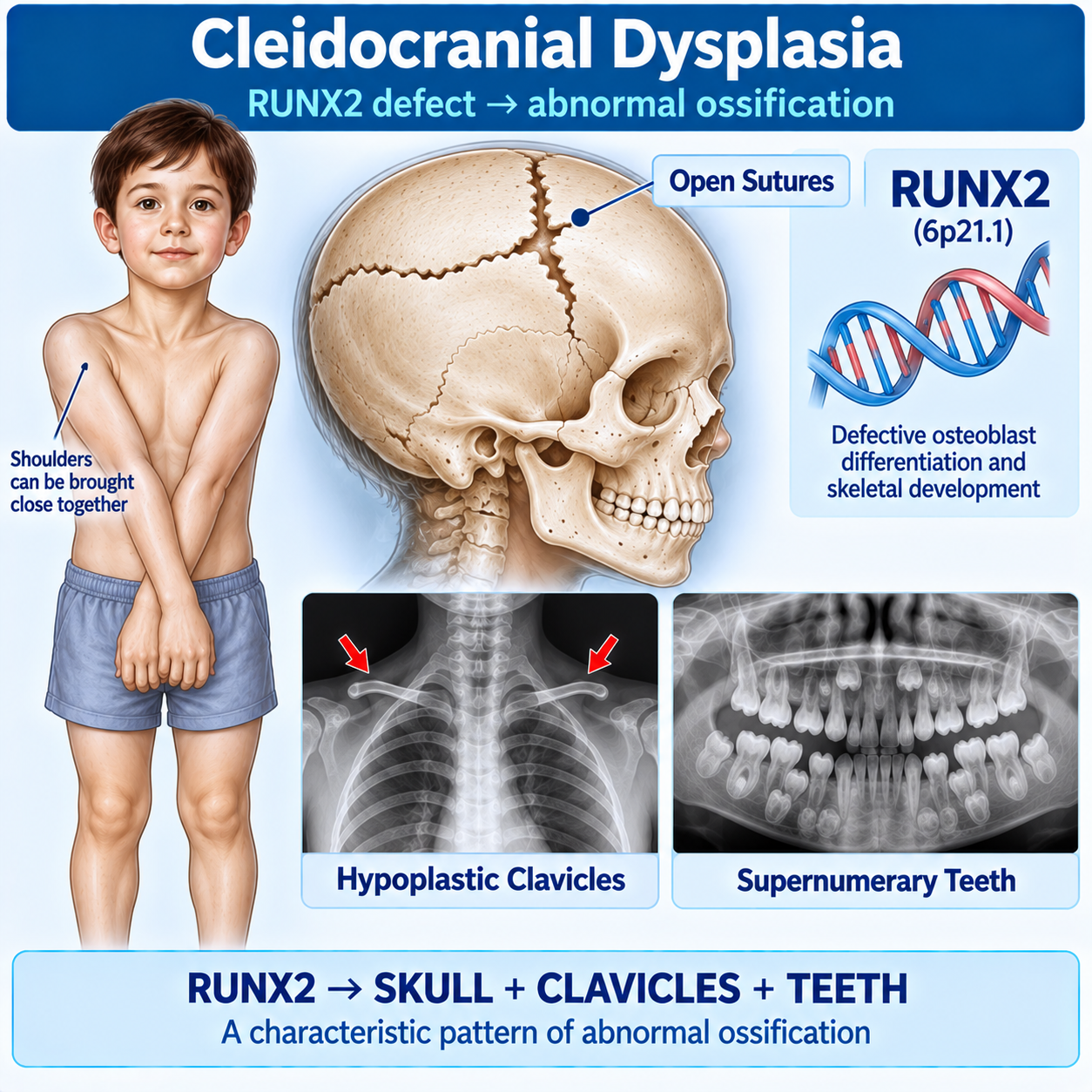
Cleidocranial Dysplasia: RUNX2, Diagnosis and Treatment
RUNX2 mutations, open cranial sutures, hypoplastic clavicles, supernumerary teeth, diagnosis and treatment.
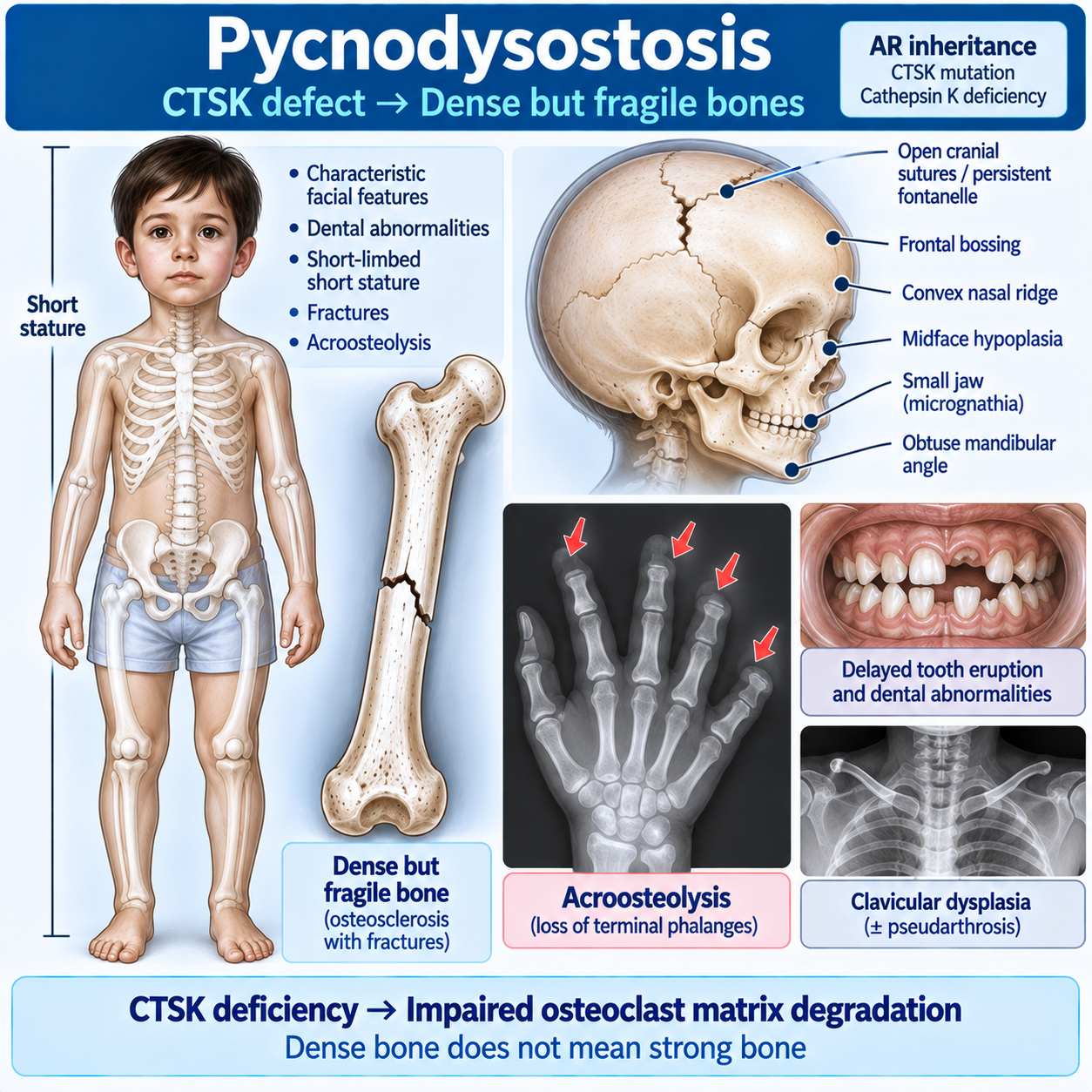
Pycnodysostosis: CTSK, Diagnosis and Treatment
CTSK mutations, cathepsin K deficiency, osteosclerosis, acroosteolysis, short stature, fractures, diagnosis and treatment.
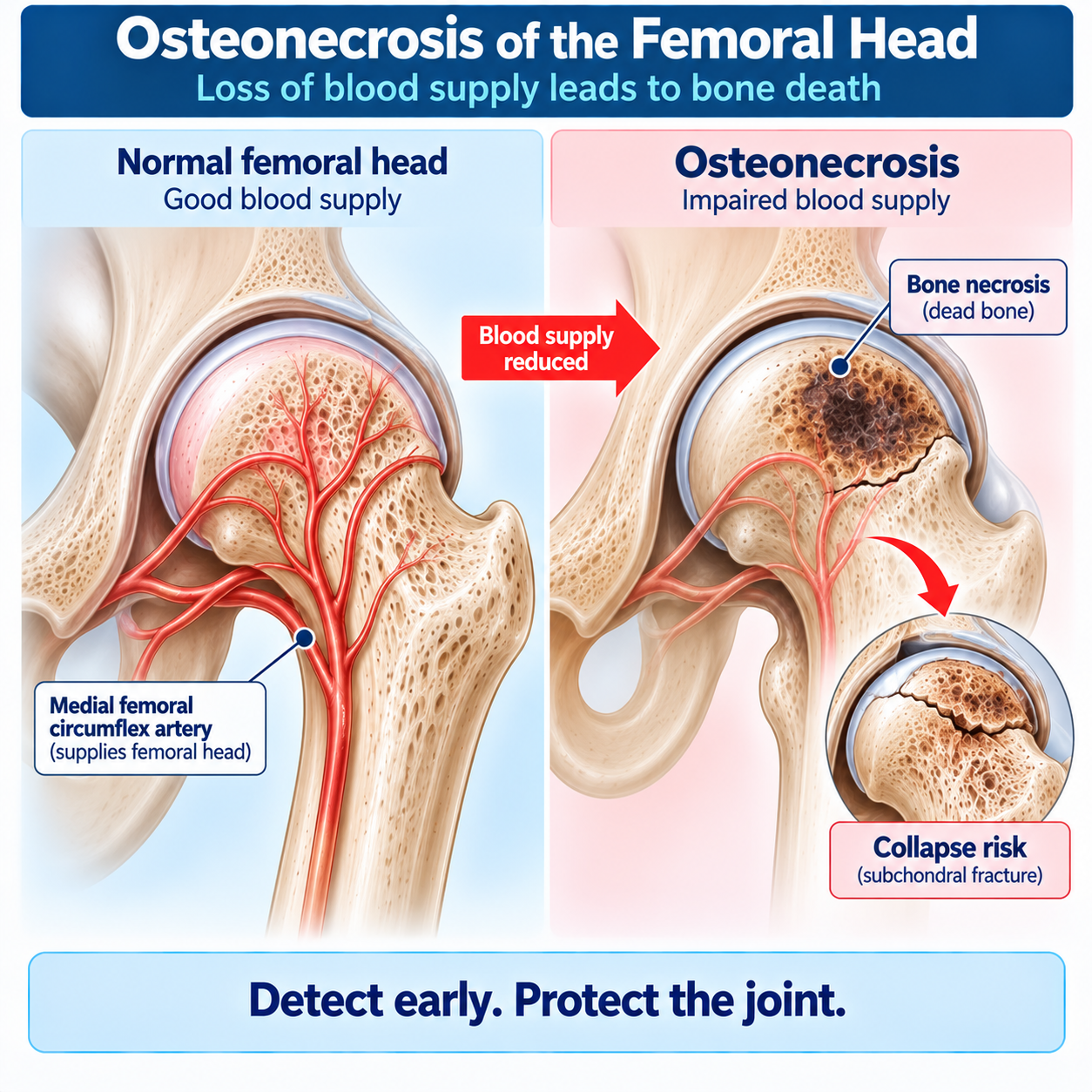
Osteonecrosis of the Femoral Head: MRI, Staging and Treatment
Blood-supply failure, MRI diagnosis, ARCO staging, collapse risk, joint-preserving procedures and arthroplasty.
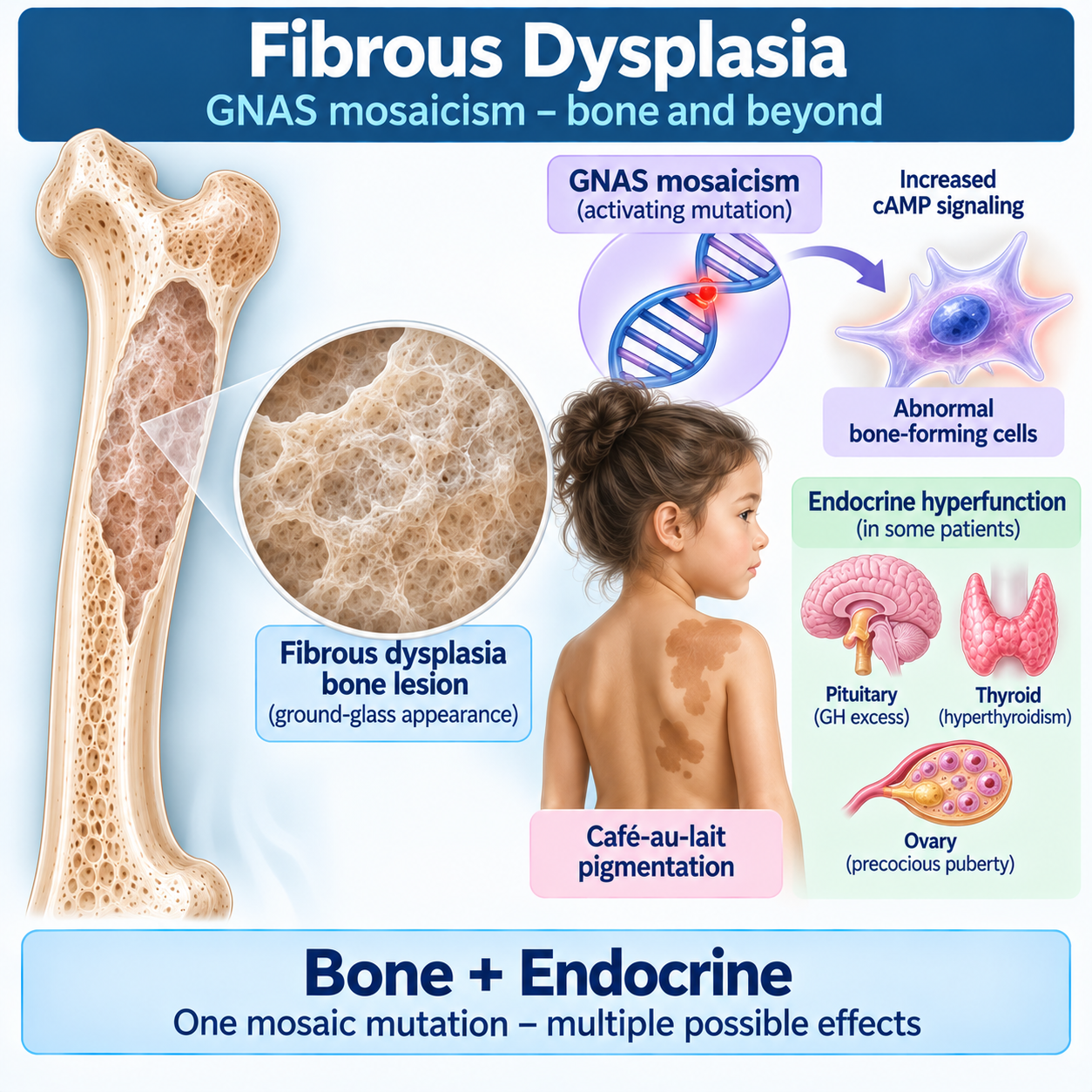
Fibrous Dysplasia & McCune-Albright: Diagnosis and Treatment
GNAS mosaicism, ground-glass bone lesions, endocrine hyperfunction, FGF23-mediated phosphate wasting, diagnosis and treatment.
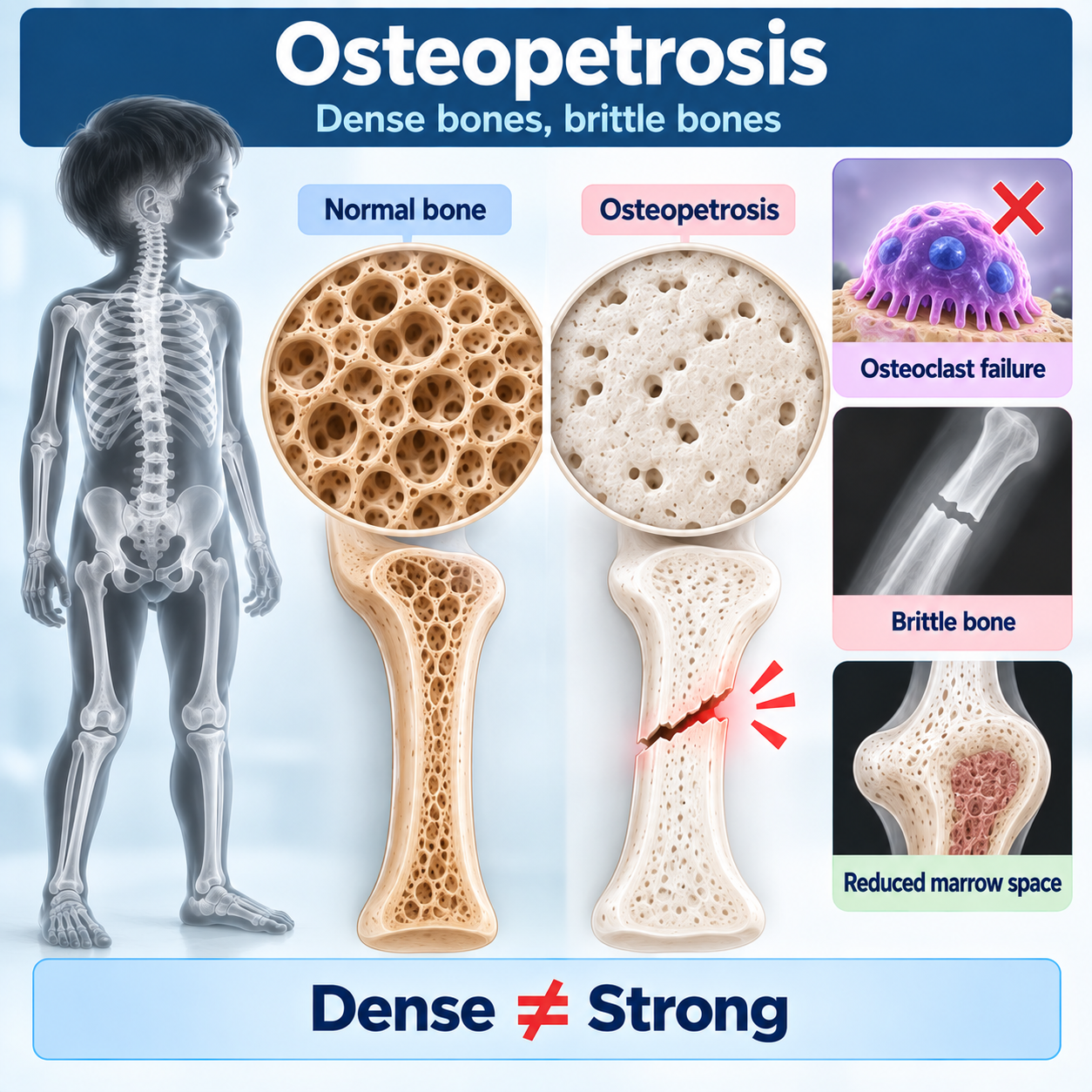
Osteopetrosis: Types, Diagnosis and Treatment
Osteoclast failure, dense brittle bones, bone marrow failure, optic nerve compression, genetics, radiology and treatment.
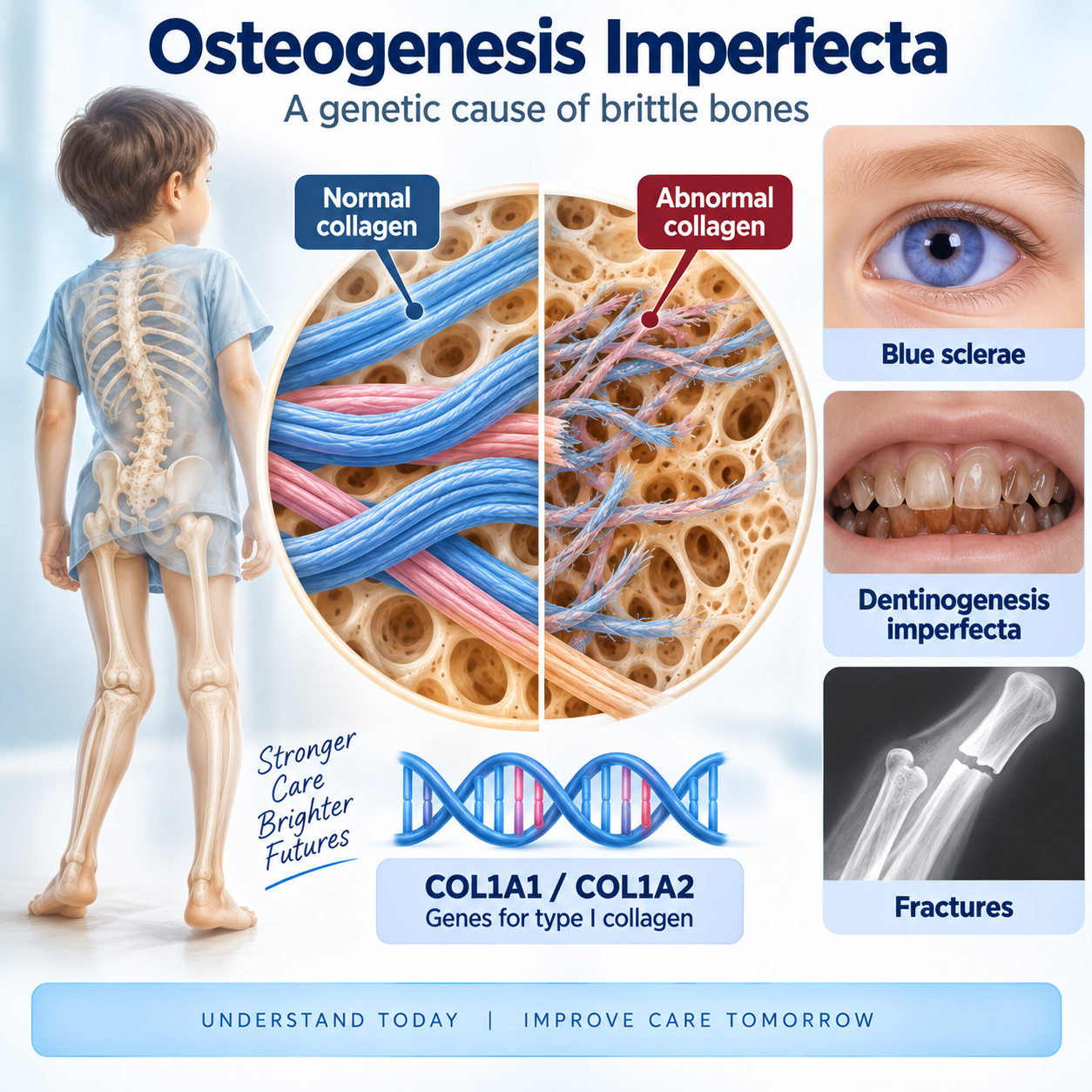
Osteogenesis Imperfecta: Types, Diagnosis and Treatment
COL1A1/COL1A2 defects, brittle bones, blue sclerae, dentinogenesis imperfecta, diagnosis, genetics and treatment.
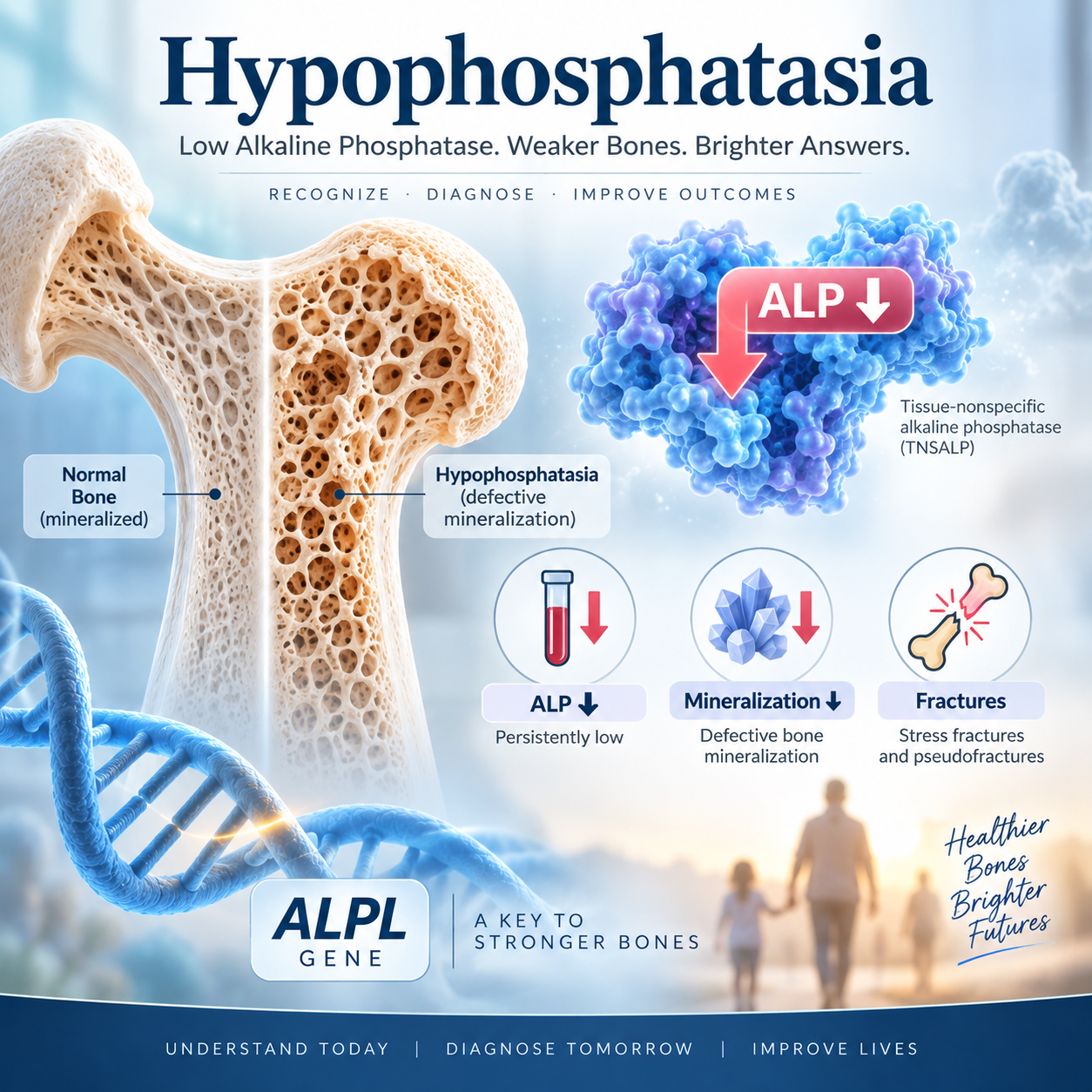
Hypophosphatasia: Low ALP, Diagnosis and Treatment
Persistently low ALP, ALPL mutations, osteomalacia, fractures, dental clues, diagnosis and asfotase alfa treatment.
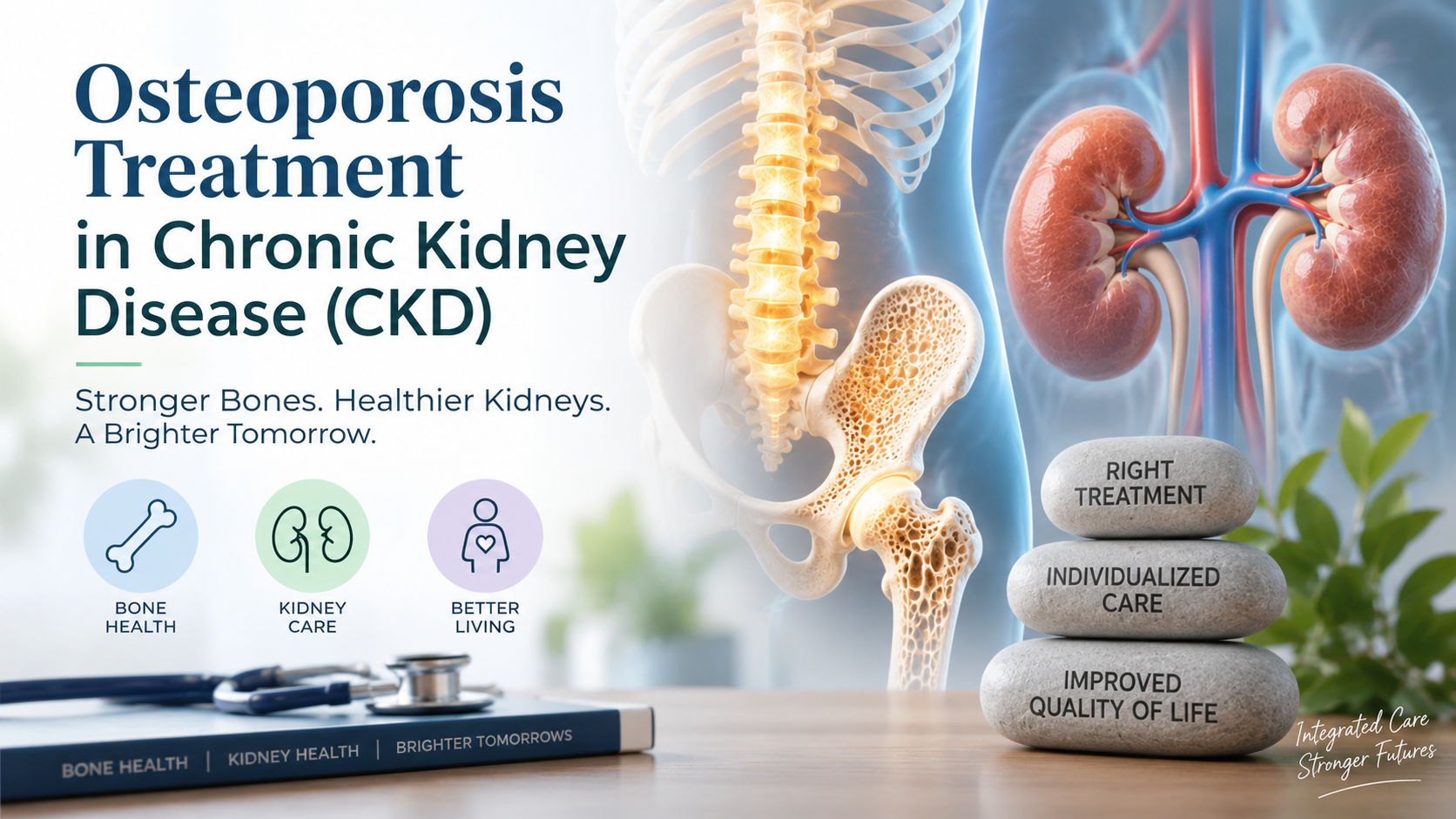
Osteoporosis Treatment in CKD: Drugs and Bone Turnover
Bisphosphonates, denosumab, anabolic therapy, bone turnover, dialysis risks and CKD-MBD considerations in osteoporosis treatment.

Renal Osteodystrophy: Types, Diagnosis and Bone Biopsy
High- and low-turnover CKD bone disease, adynamic bone, osteomalacia, TMV classification, PTH, alkaline phosphatase, DXA and bone biopsy.

Parathyroidectomy: Indications, Surgery and Complications
Parathyroidectomy indications, localization, surgical approaches, intraoperative PTH, postoperative hypocalcemia and long-term cure.
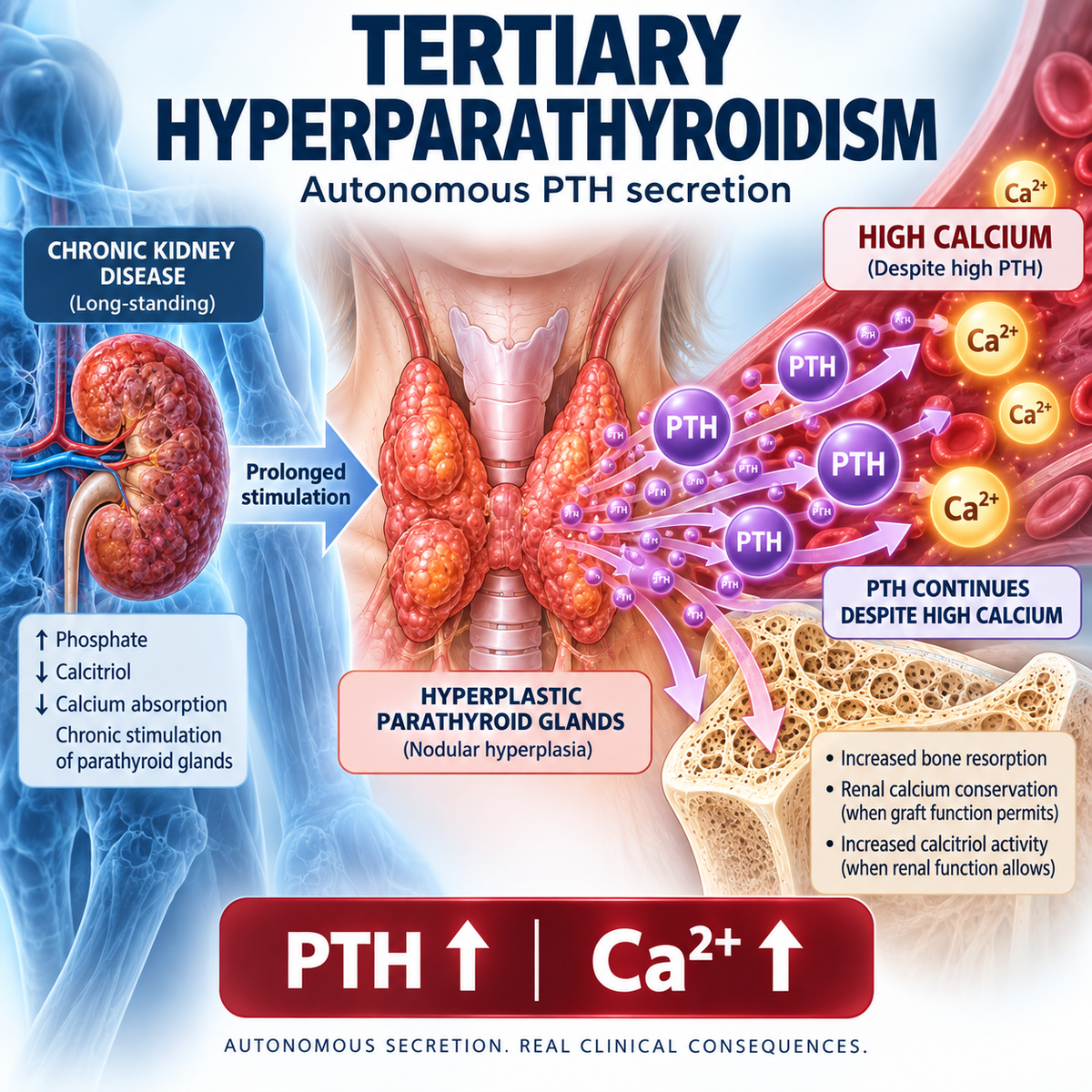
Tertiary Hyperparathyroidism: CKD, PTH and Treatment
Autonomous PTH secretion after prolonged CKD-associated secondary hyperparathyroidism, post-transplant hypercalcemia, diagnosis and treatment.
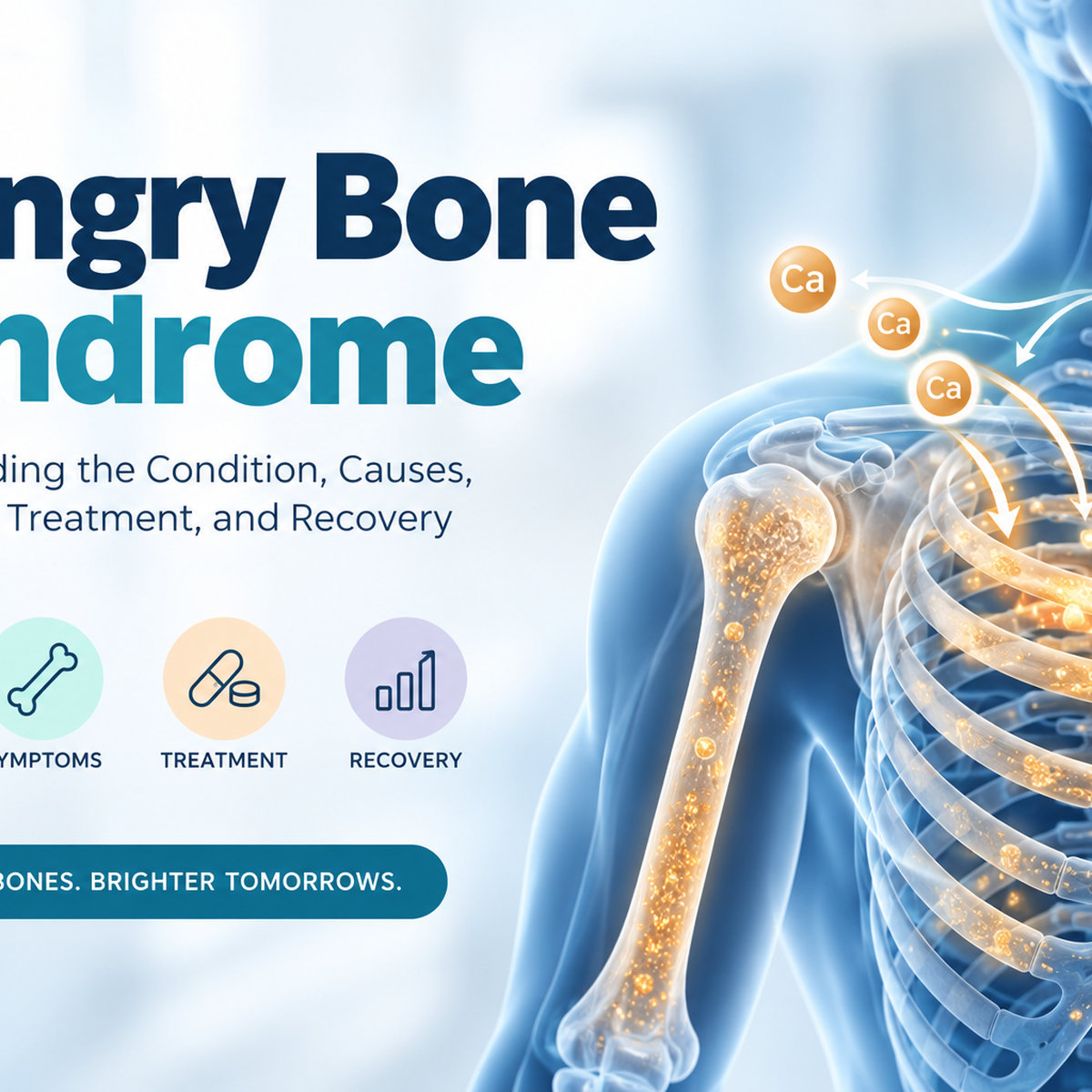
Hungry Bone Syndrome: Diagnosis, Labs and Treatment
Post-parathyroidectomy hypocalcemia, skeletal mineral uptake, phosphate and PTH patterns, risk factors, diagnosis, monitoring and treatment principles.
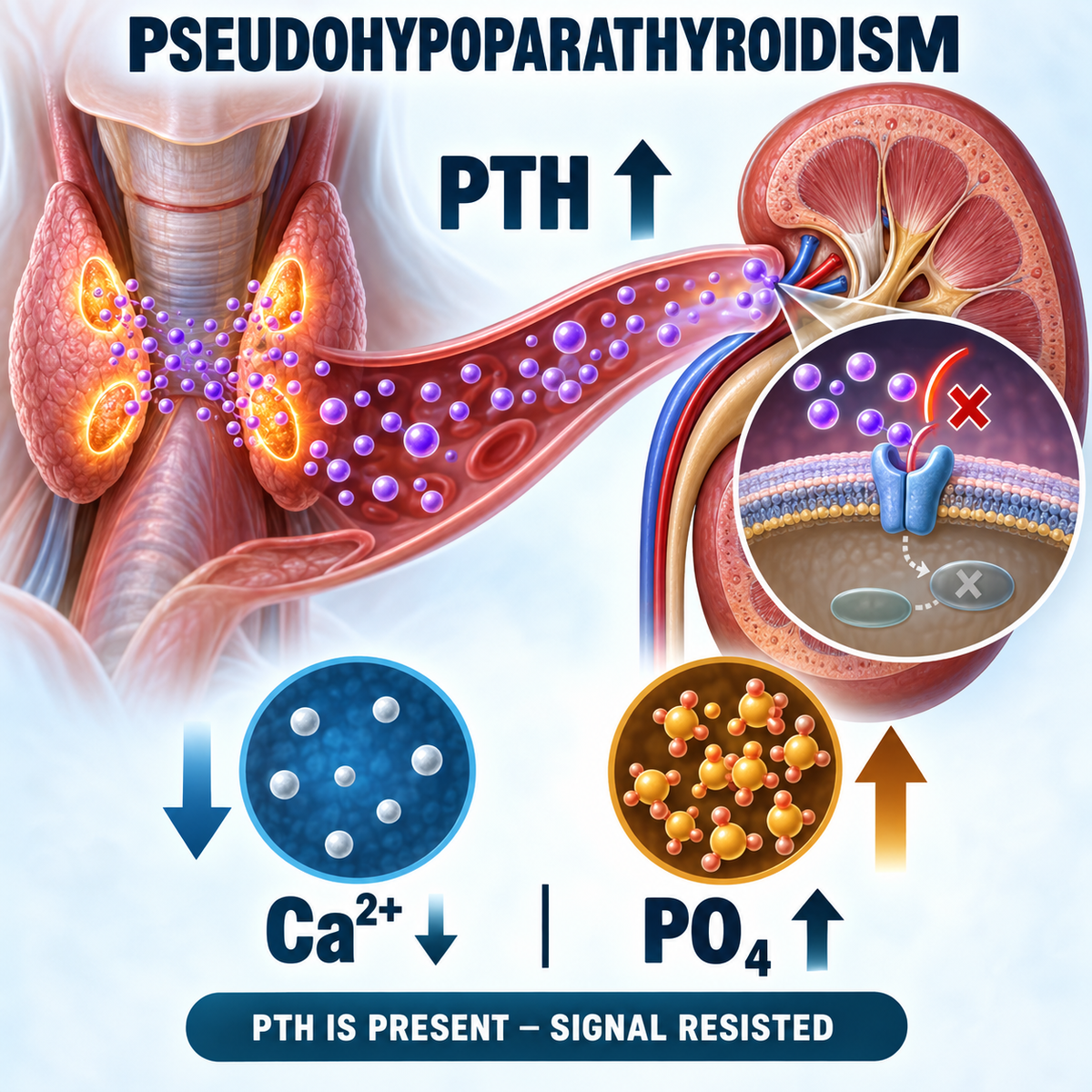
Pseudohypoparathyroidism: PTH Resistance, GNAS and AHO
PTH resistance, low calcium with high phosphate and PTH, GNAS imprinting, Albright hereditary osteodystrophy, diagnosis and treatment.
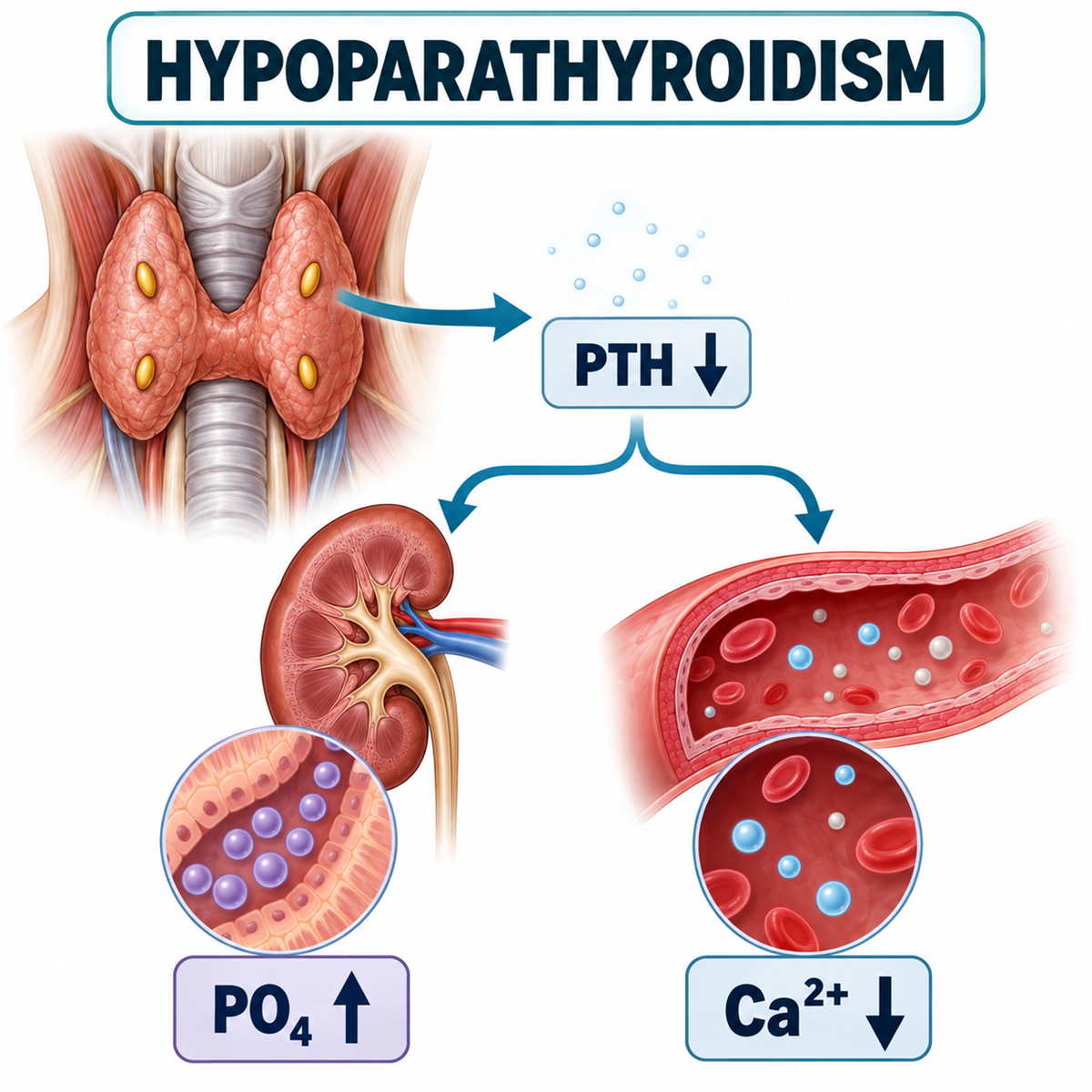
Hypoparathyroidism Explained: Low PTH, Hypocalcemia and Treatment
Low or inappropriately normal PTH, hypocalcemia, high phosphate, postsurgical causes, active vitamin D, calcium, kidney risk and PTH replacement.
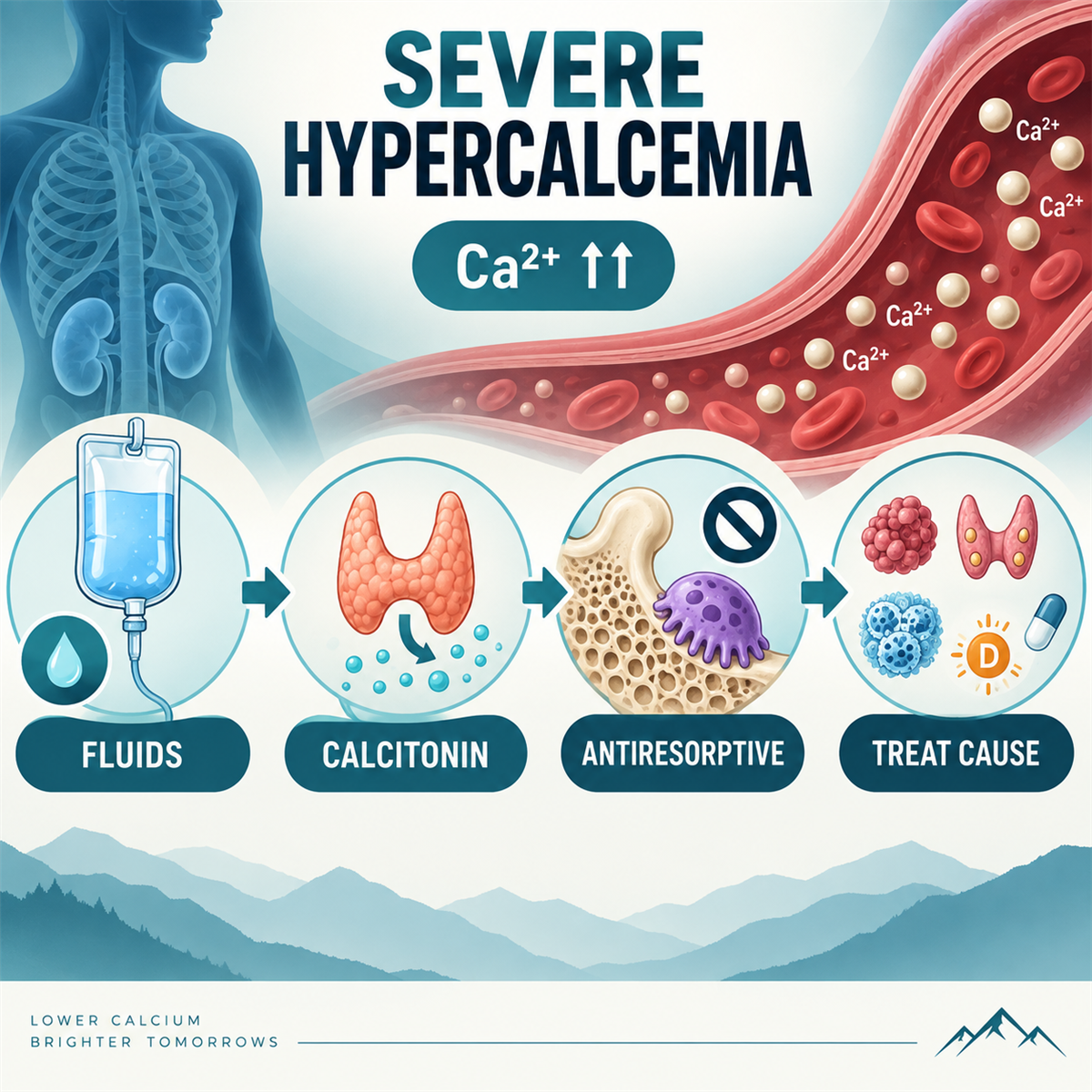
Severe Hypercalcemia Management Explained
Severe hypercalcemia treatment with fluids, calcitonin, bisphosphonates, denosumab, steroids, dialysis and cause-specific management.
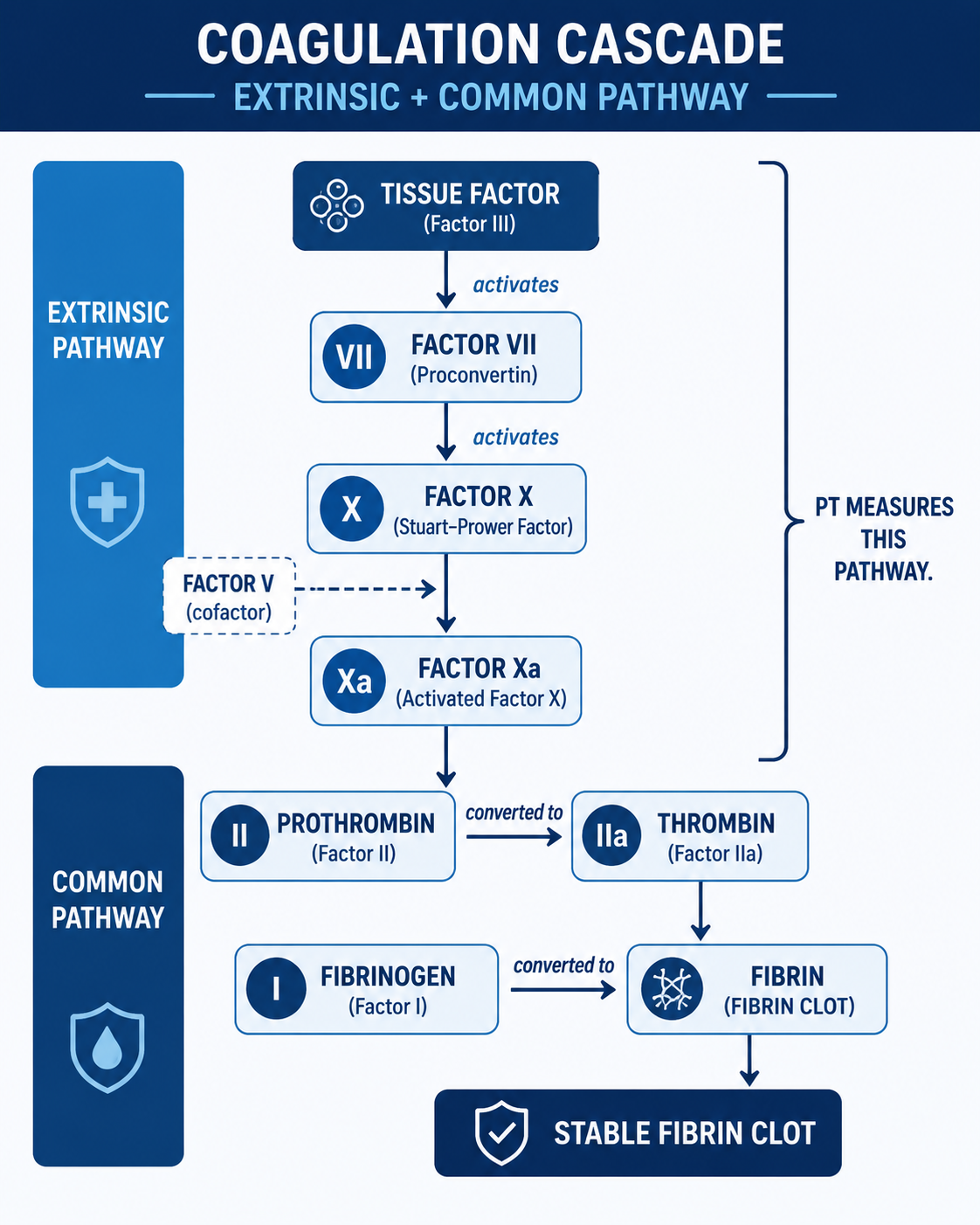
What prothrombin time and INR measure, which coagulation factors PT assesses, common causes of prolonged PT/INR, and key interpretation pitfalls.
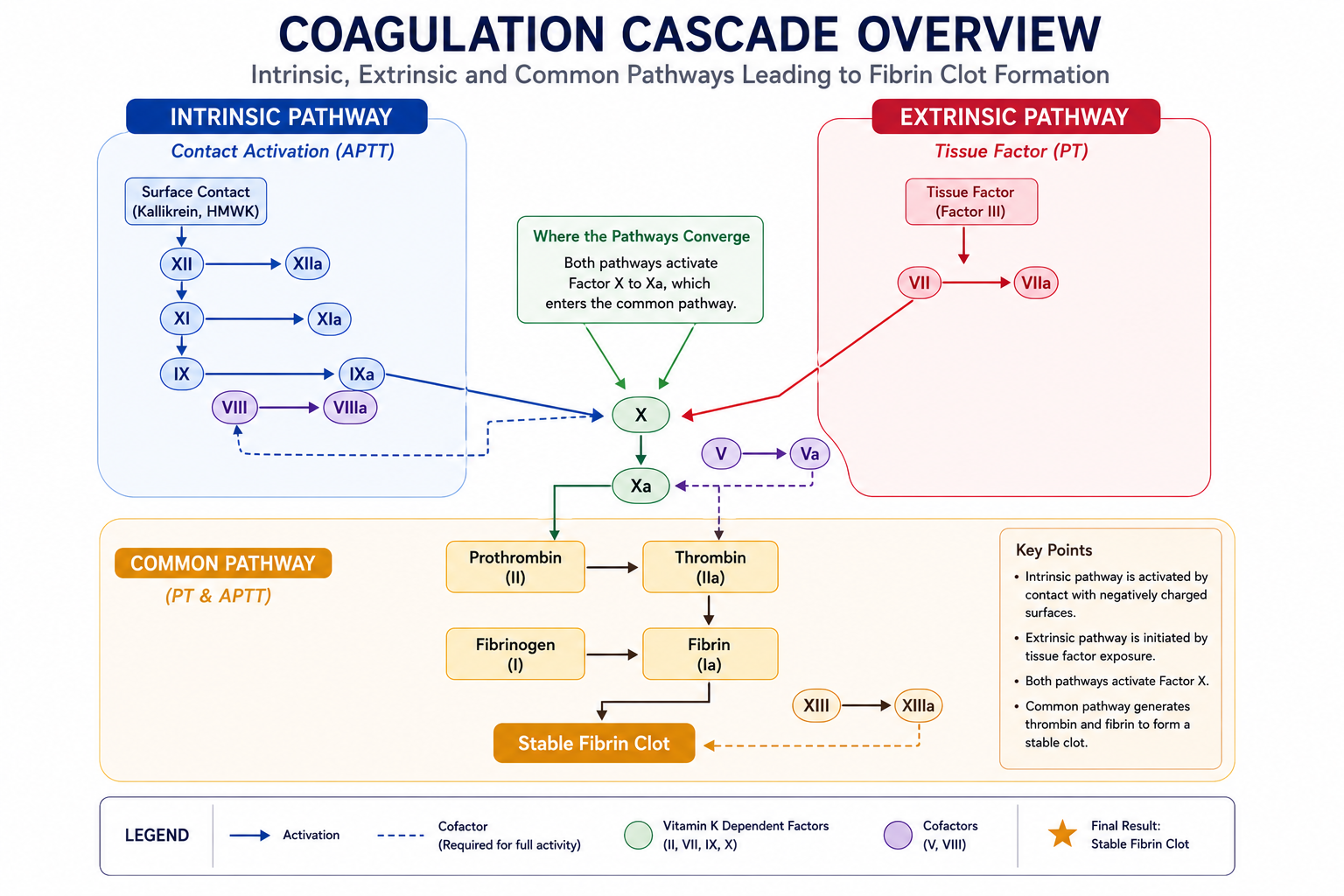
Learn the intrinsic, extrinsic and common coagulation pathways, clotting factors, PT and APTT interpretation, haemophilia, and the modern model of haemostasis.
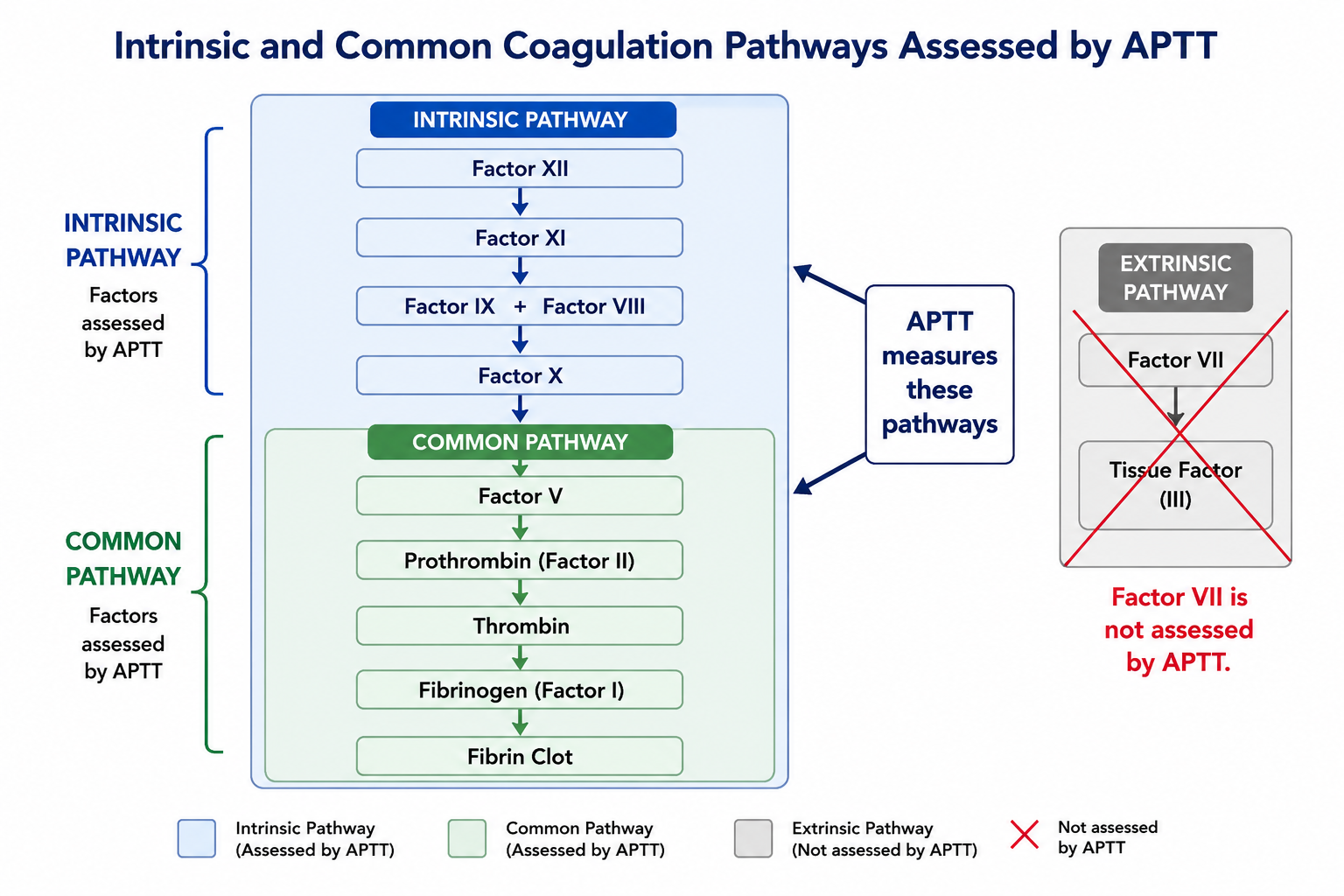
Learn what APTT measures, the intrinsic and common pathways, causes of prolonged APTT, haemophilia, lupus anticoagulant, heparin monitoring, and mixing studies.
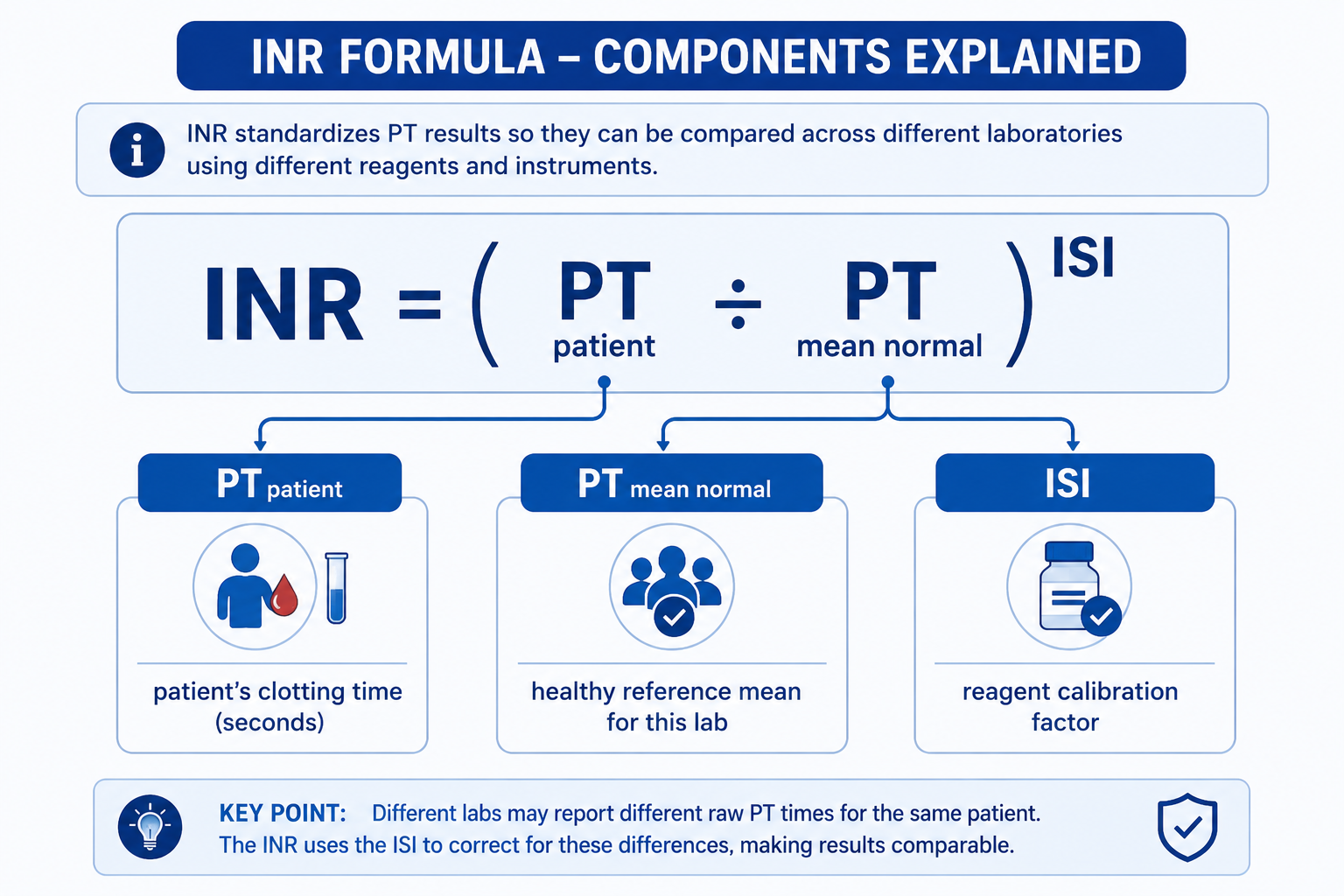
Step-by-step breakdown of the INR formula — PT ratio, ISI exponent, worked examples from normal to supratherapeutic, and common calculation mistakes.
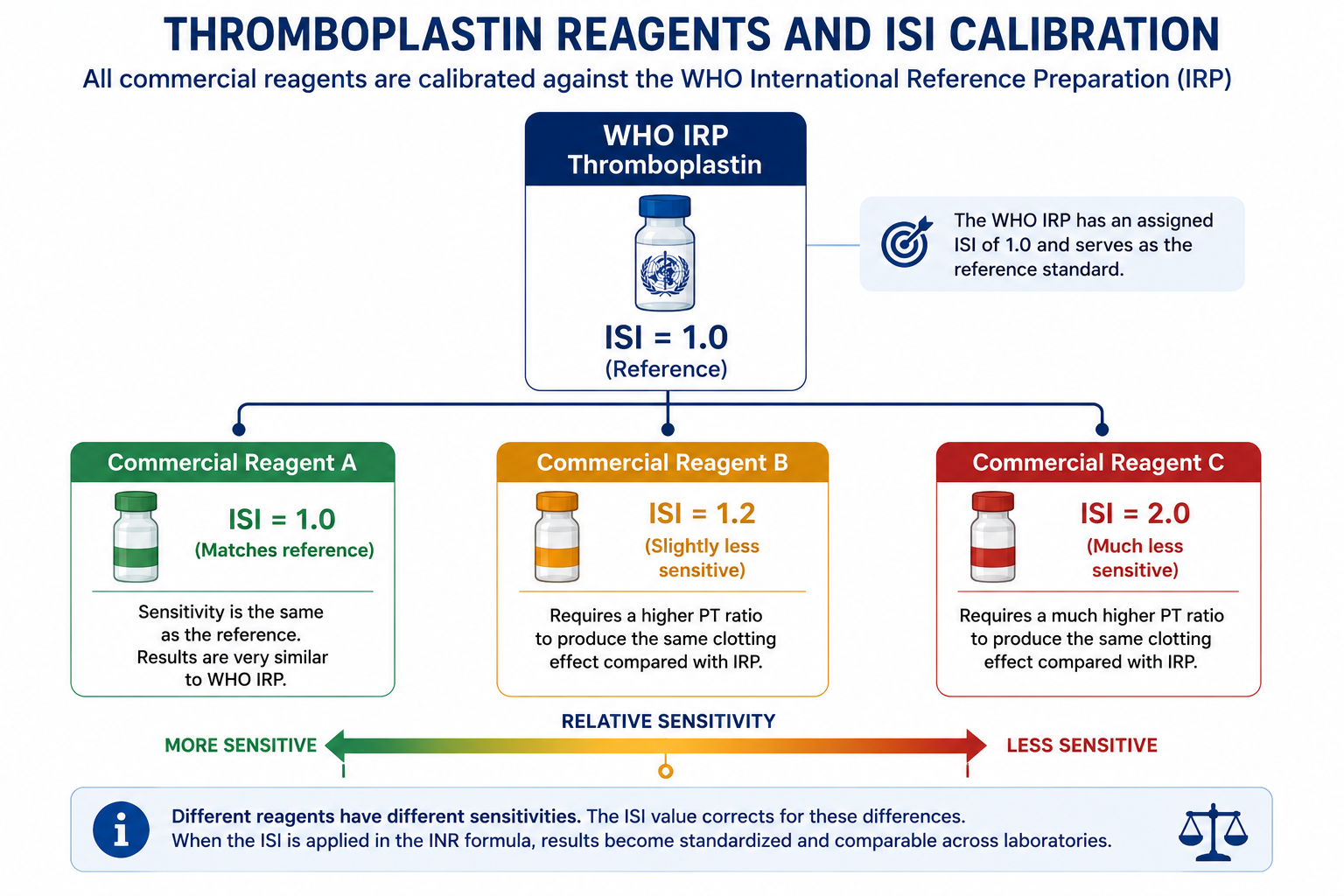
International Sensitivity Index (ISI) Explained
What the ISI is, how thromboplastin reagents are calibrated against the WHO reference, and why ISI is used as the exponent in the INR formula.
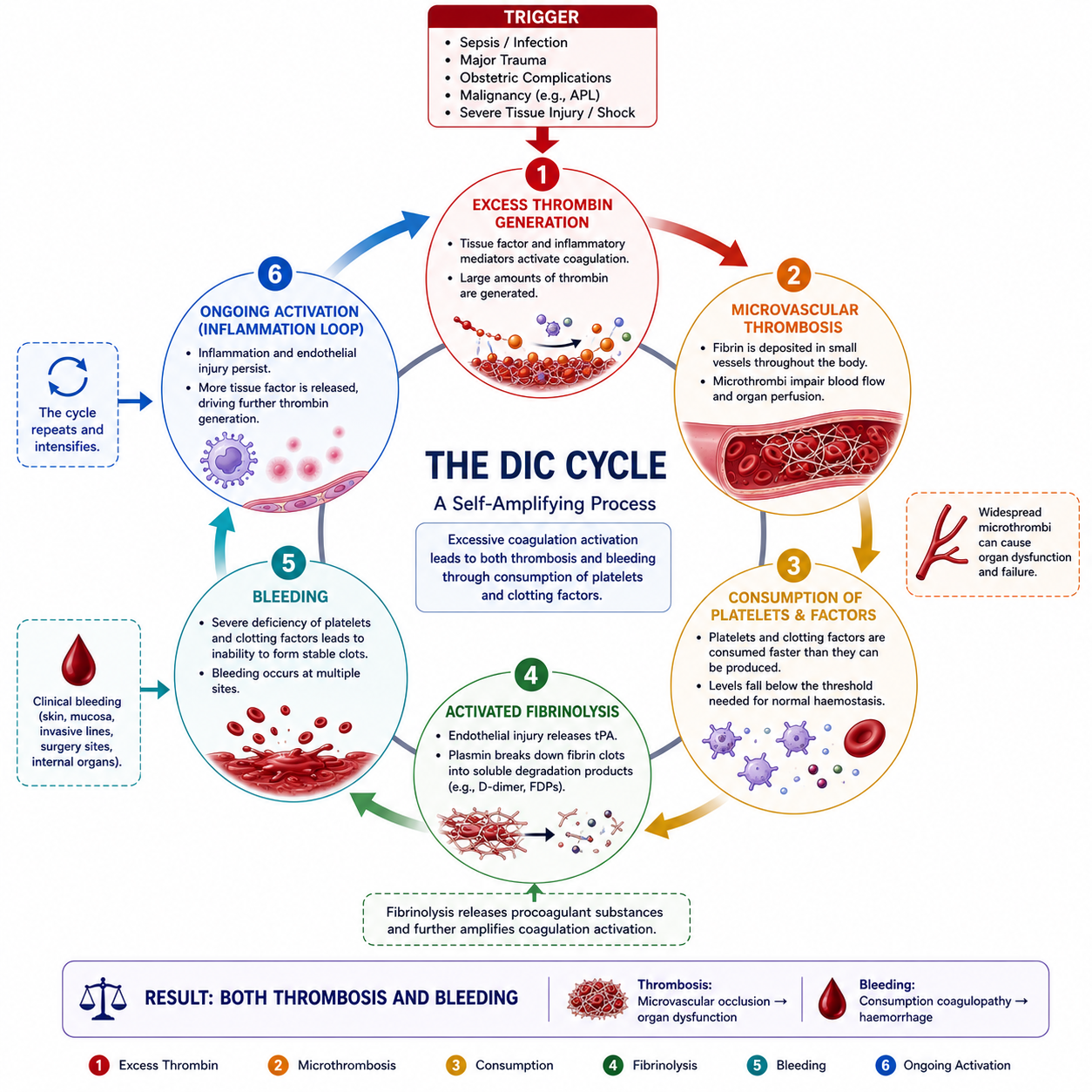
Learn the pathophysiology of disseminated intravascular coagulation, laboratory findings, D-dimer formation, acute versus chronic DIC, and the ISTH scoring system.
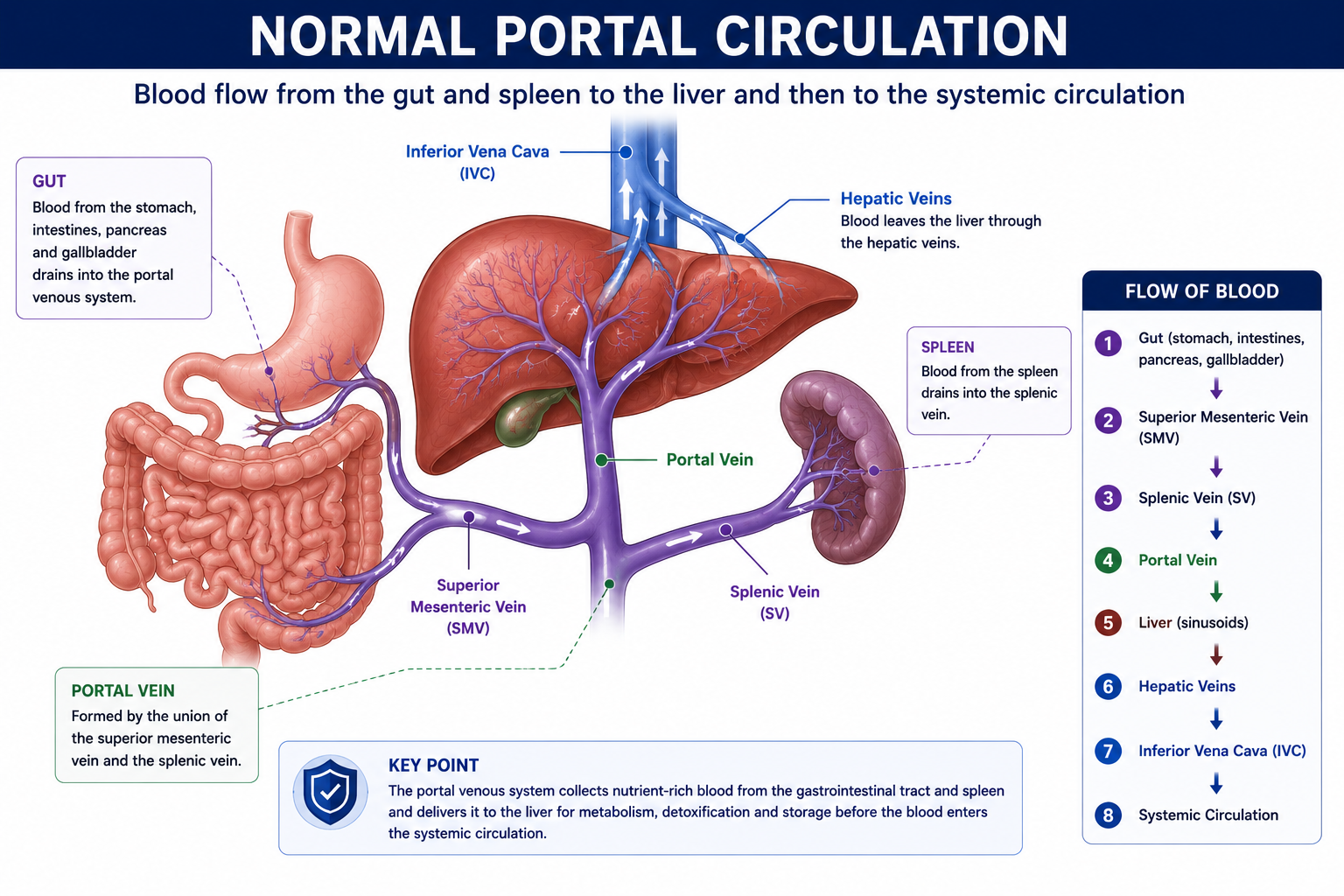
Learn portal hypertension, normal portal venous circulation, how cirrhosis increases portal pressure, and why varices, splenomegaly, thrombocytopenia and ascites develop.
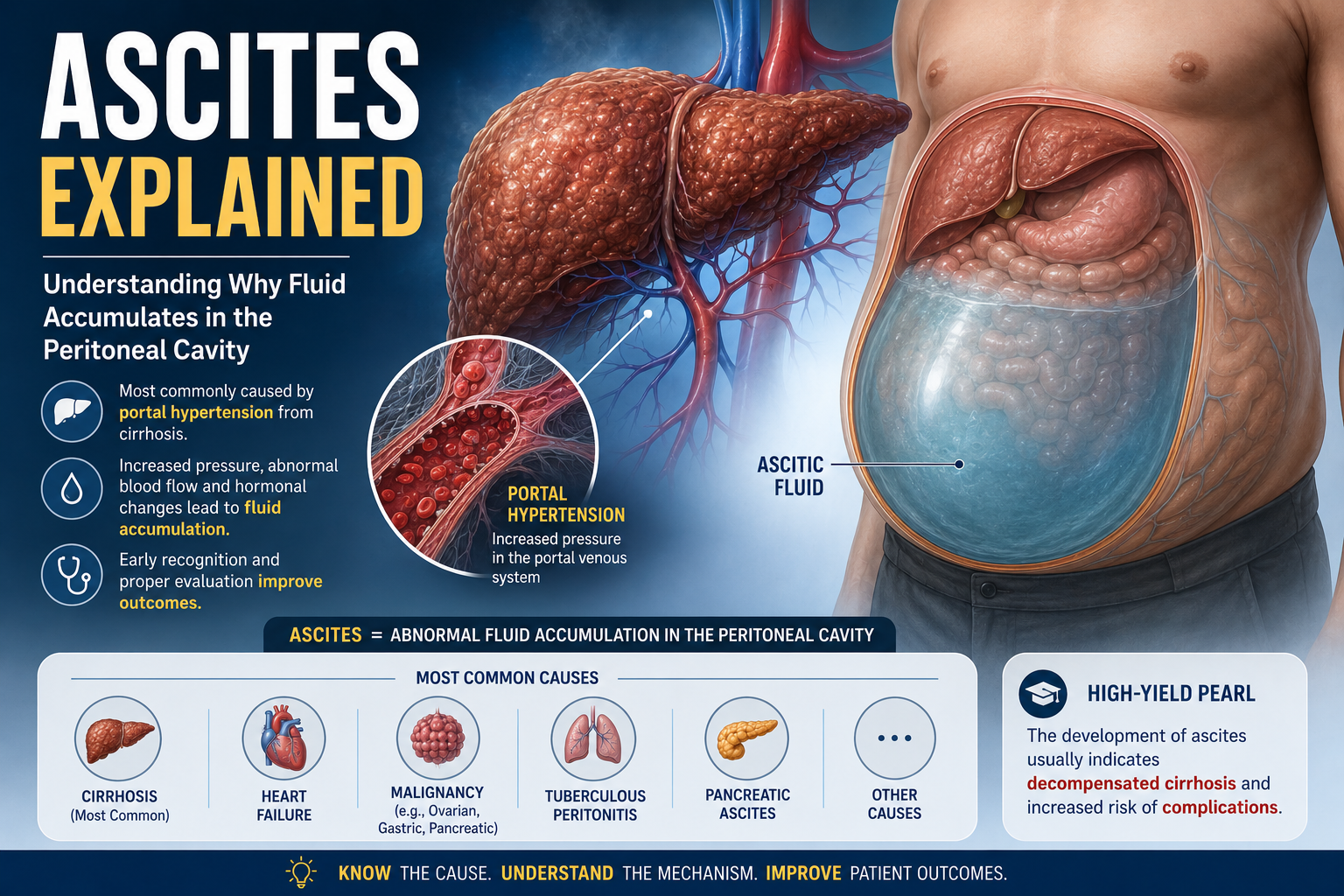
Learn how ascites develops, the role of portal hypertension, RAAS activation, diagnostic paracentesis, SAAG interpretation, and major complications.
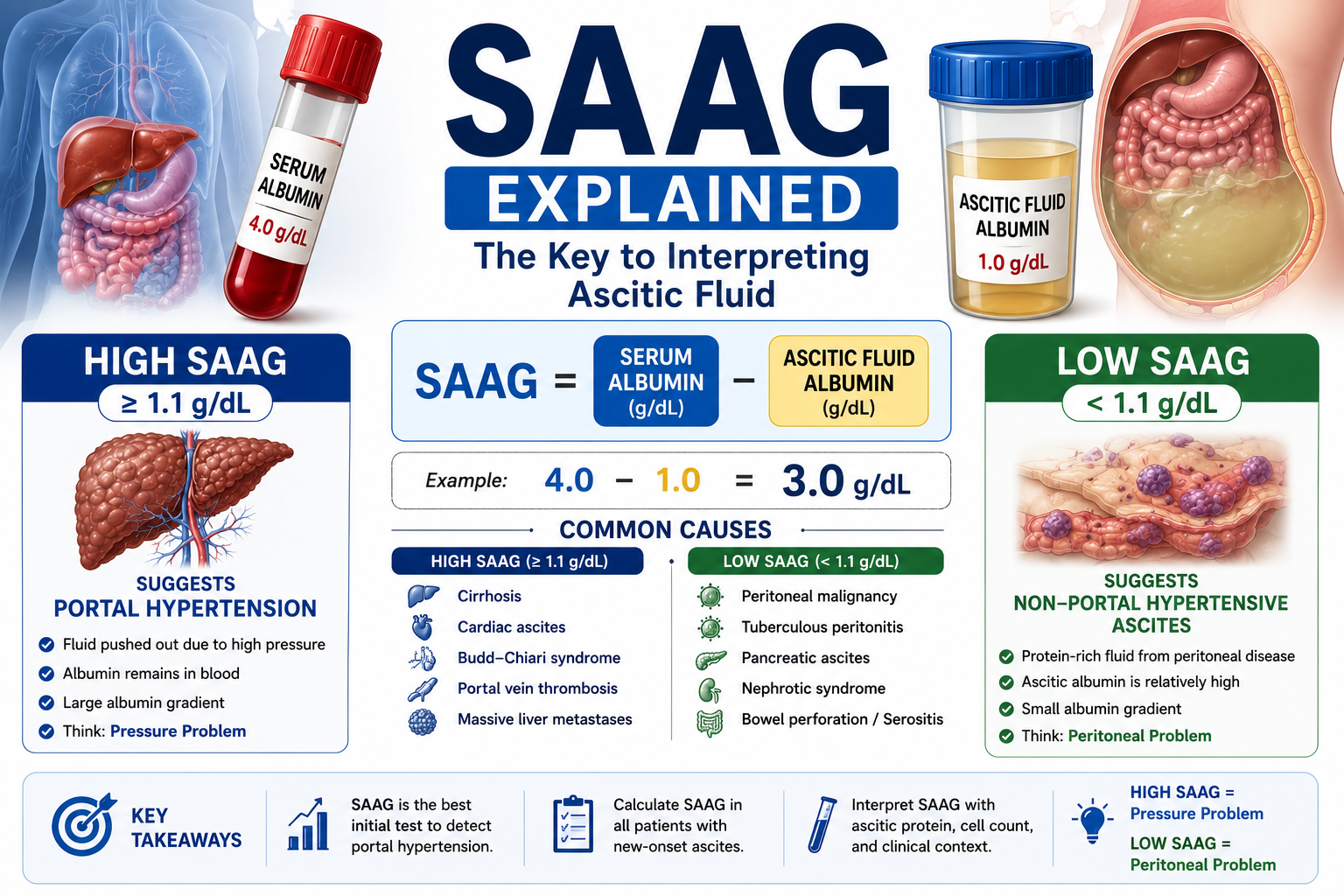
Understand the Serum-Ascites Albumin Gradient formula, why high SAAG means portal hypertension, low SAAG causes, worked examples, and how to combine SAAG with ascitic fluid protein.
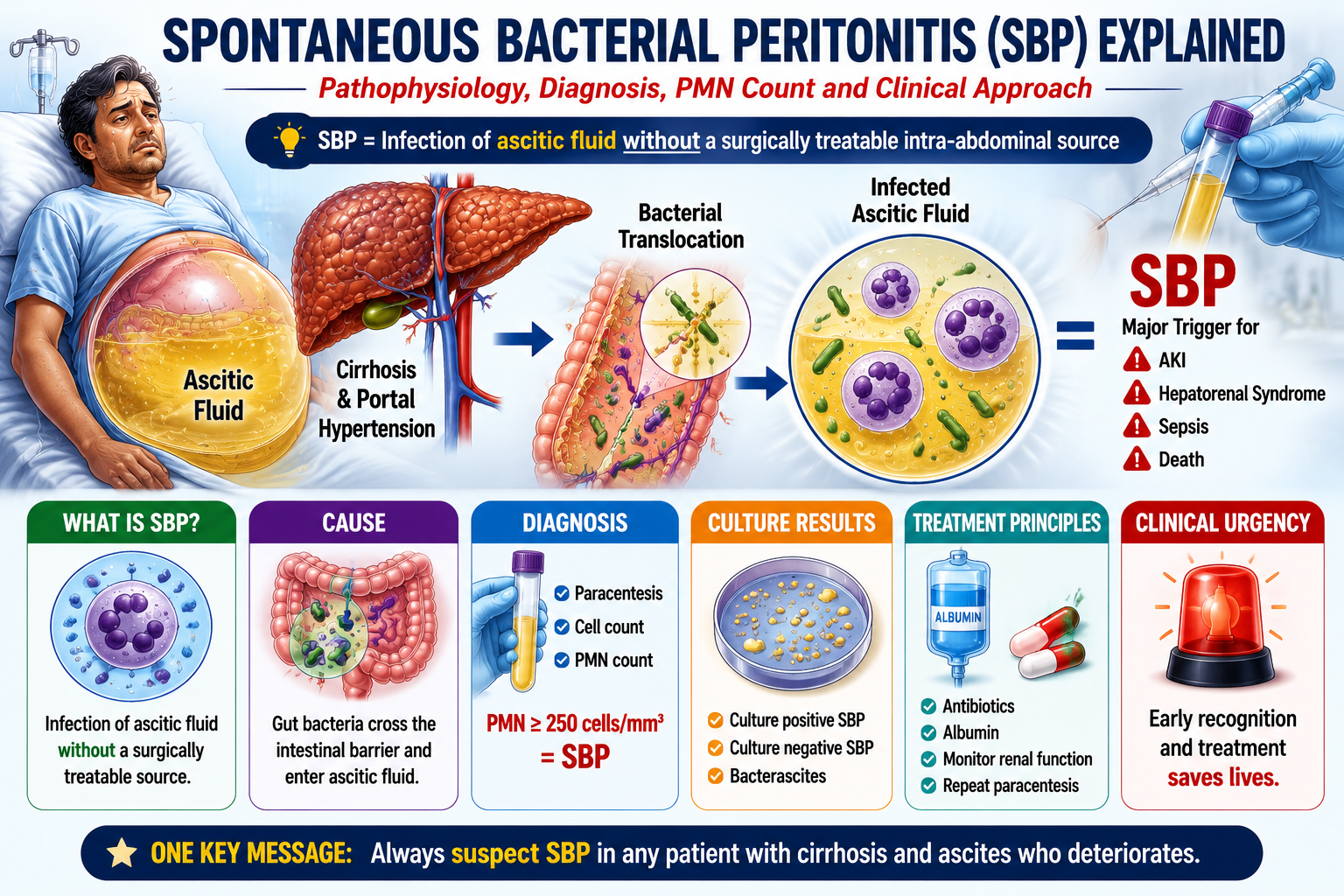
Understand SBP clearly: bacterial translocation, PMN cutoff, risk factors, culture-negative neutrocytic ascites, albumin use, diagnosis and complications.
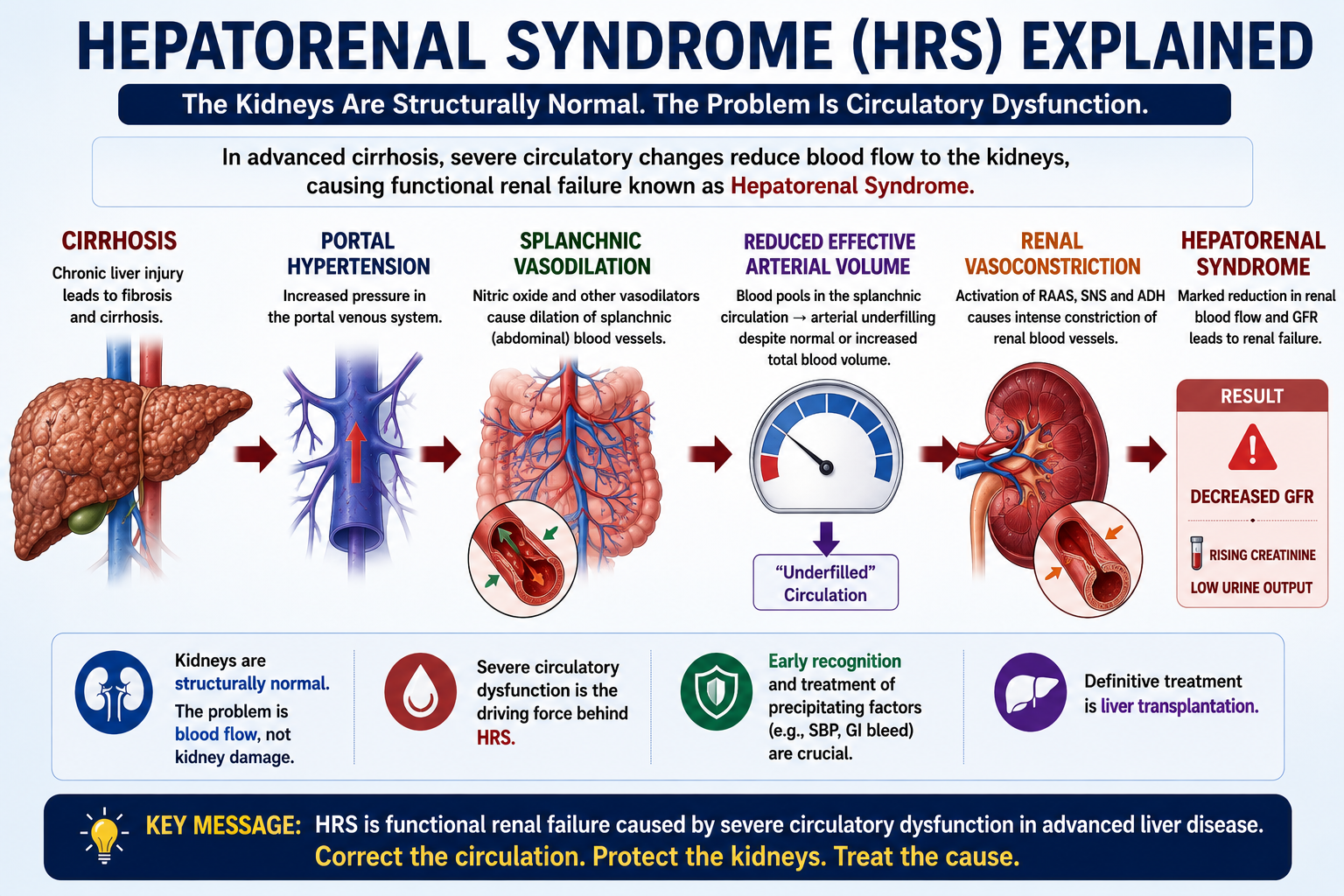
Hepatorenal Syndrome (HRS) Explained: Pathophysiology, Diagnosis and Clinical Approach
Understand hepatorenal syndrome clearly: why kidneys fail in cirrhosis, HRS diagnostic criteria, pathophysiology, HRS vs ATN, albumin, terlipressin and prognosis.
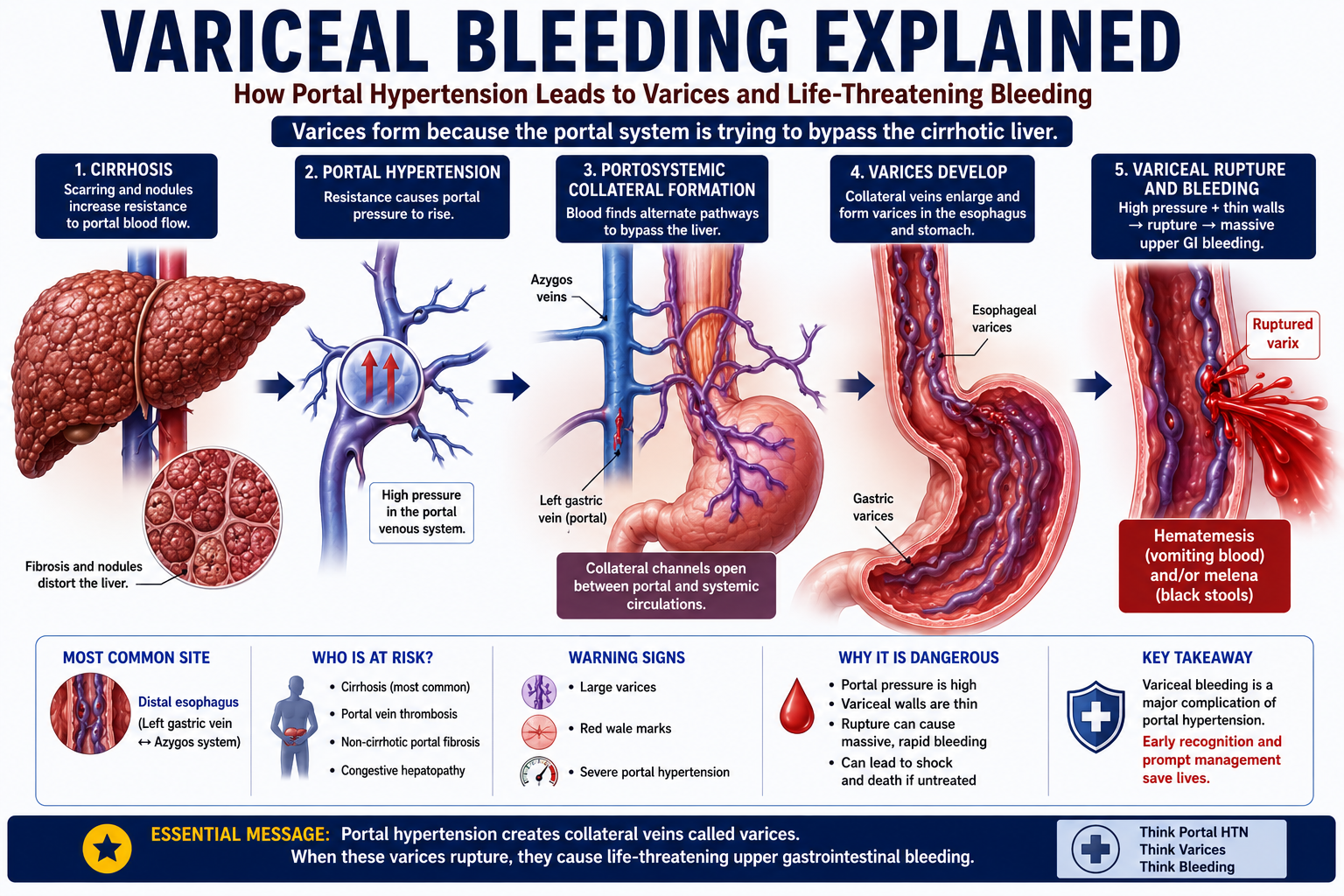
Variceal Bleeding Explained: Pathophysiology, Clinical Features and Management Principles
Understand variceal bleeding clearly: portal hypertension, HVPG thresholds, collateral formation, red wale marks, variceal rupture, endoscopy, band ligation and TIPS.
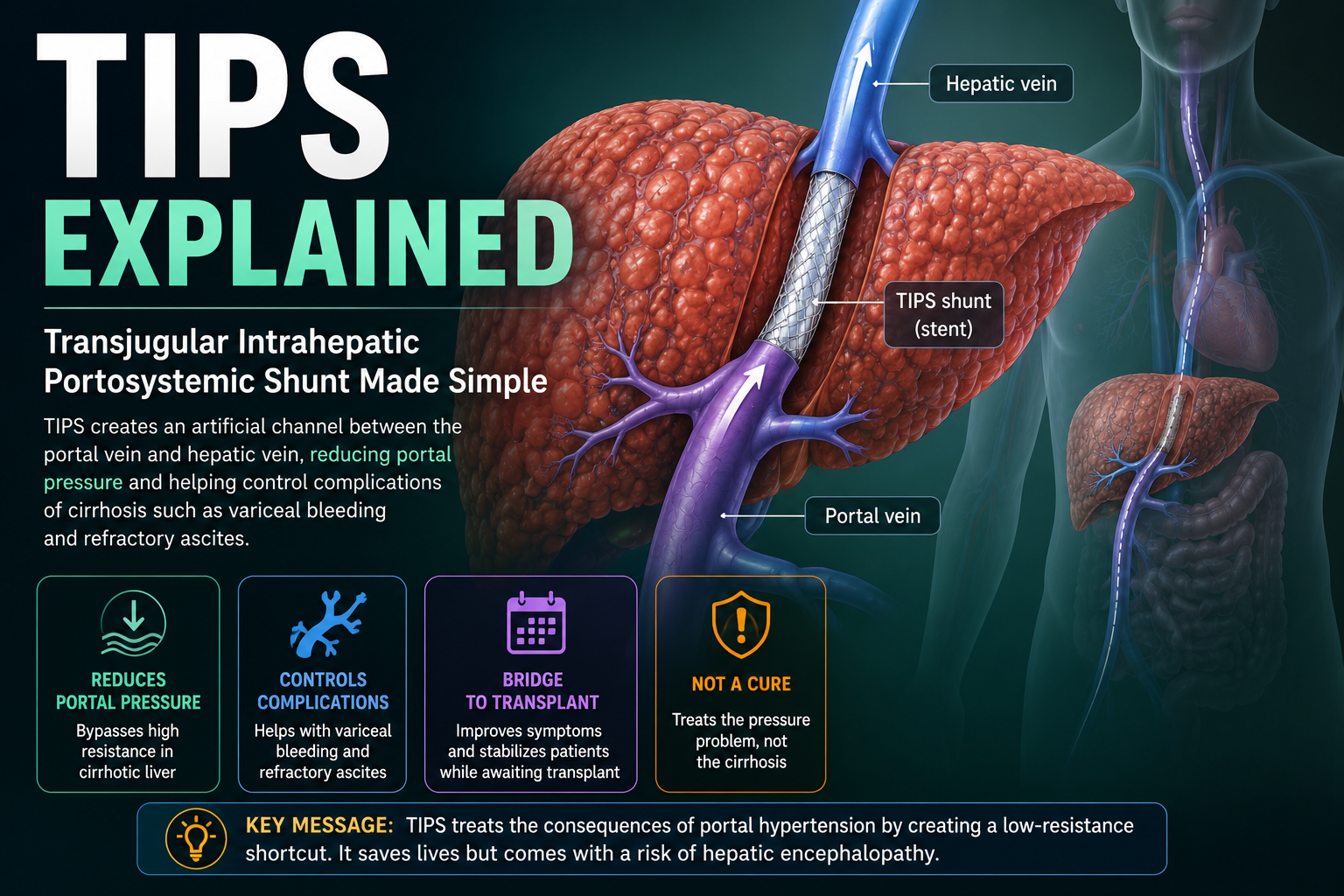
TIPS Explained: Transjugular Intrahepatic Portosystemic Shunt Made Simple
Understand TIPS clearly: how a transjugular intrahepatic portosystemic shunt reduces HVPG and portal pressure, indications, contraindications, benefits, complications and encephalopathy risk.
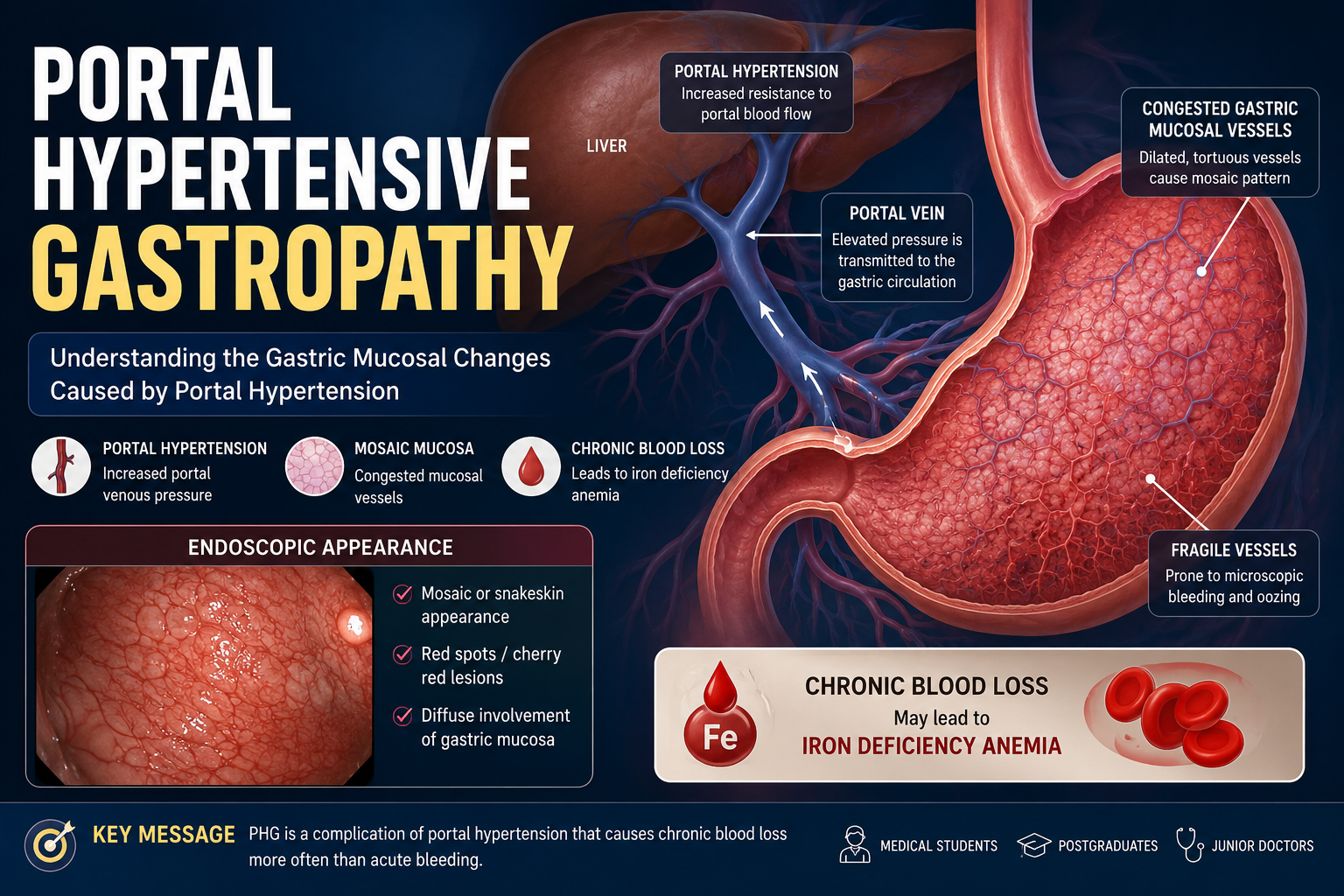
Portal Hypertensive Gastropathy (PHG) Explained: Pathophysiology, PHG vs GAVE & Treatment
Understand portal hypertensive gastropathy clearly: pathophysiology, mosaic snakeskin appearance, how PHG causes iron deficiency anaemia, PHG vs GAVE, PHG vs gastric varices, and management with beta blockers and TIPS.
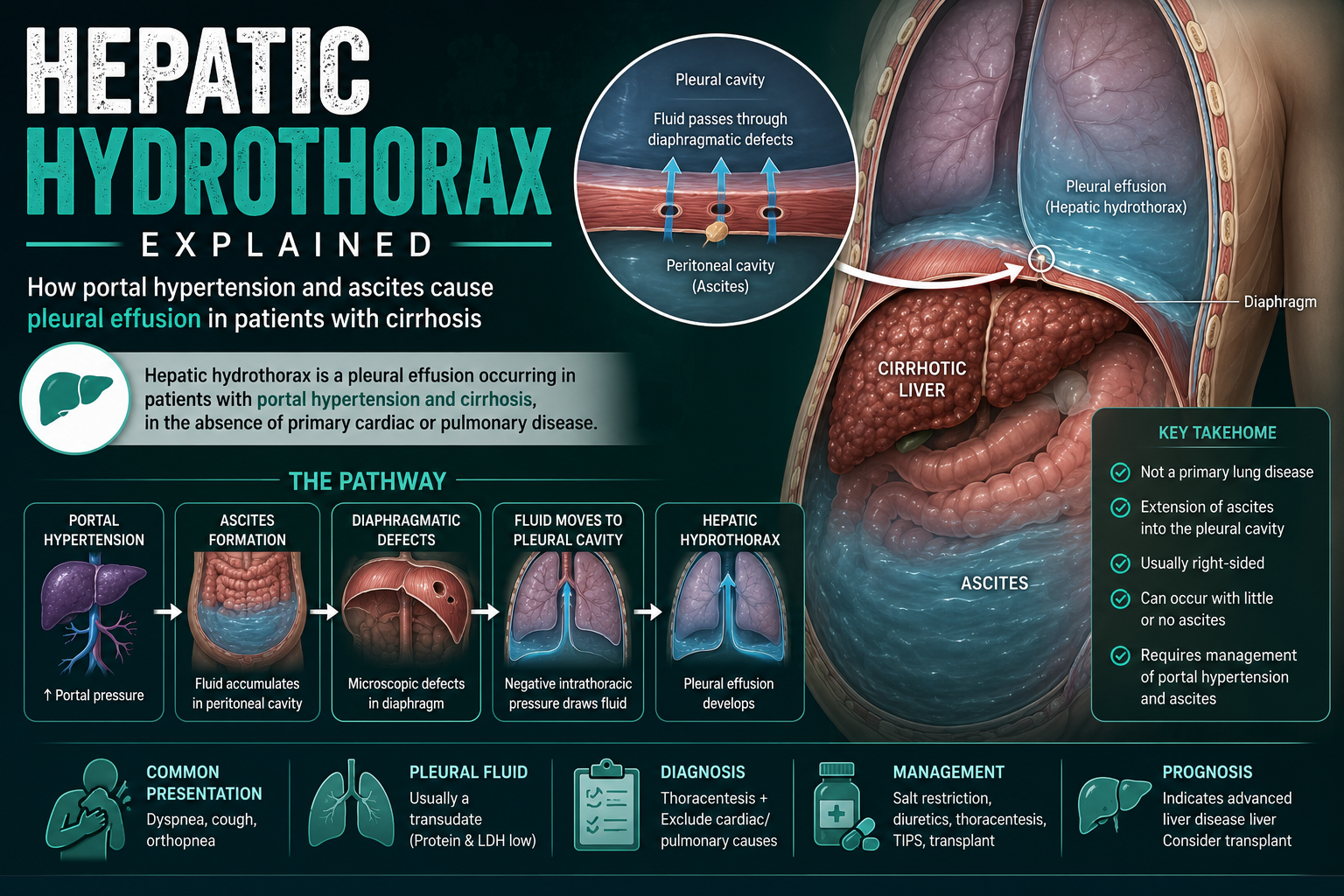
Hepatic Hydrothorax Explained: Pathophysiology, Diagnosis, Treatment & TIPS
Understand hepatic hydrothorax clearly: why ascites causes pleural effusion through diaphragmatic defects, why it is usually right-sided, why it can occur without obvious ascites, and why chest drains are dangerous. Covers diagnosis, TIPS, spontaneous bacterial empyema and prognosis.
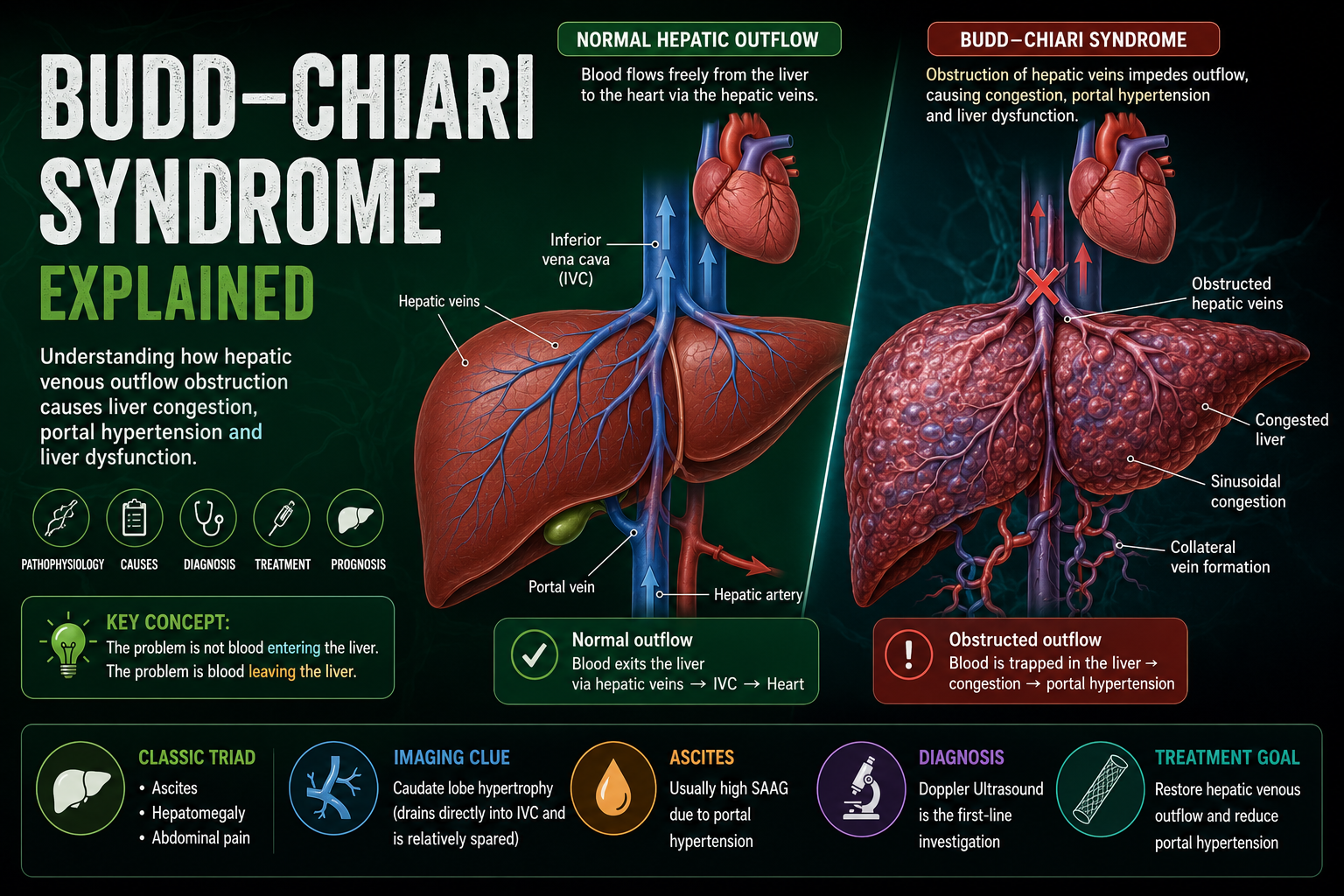
Budd-Chiari Syndrome Explained: Pathophysiology, Causes, Diagnosis & Treatment
Understand Budd-Chiari syndrome clearly: hepatic venous outflow obstruction, blocked drain pathophysiology, congestion, ascites, portal hypertension, caudate lobe hypertrophy, diagnosis and treatment.
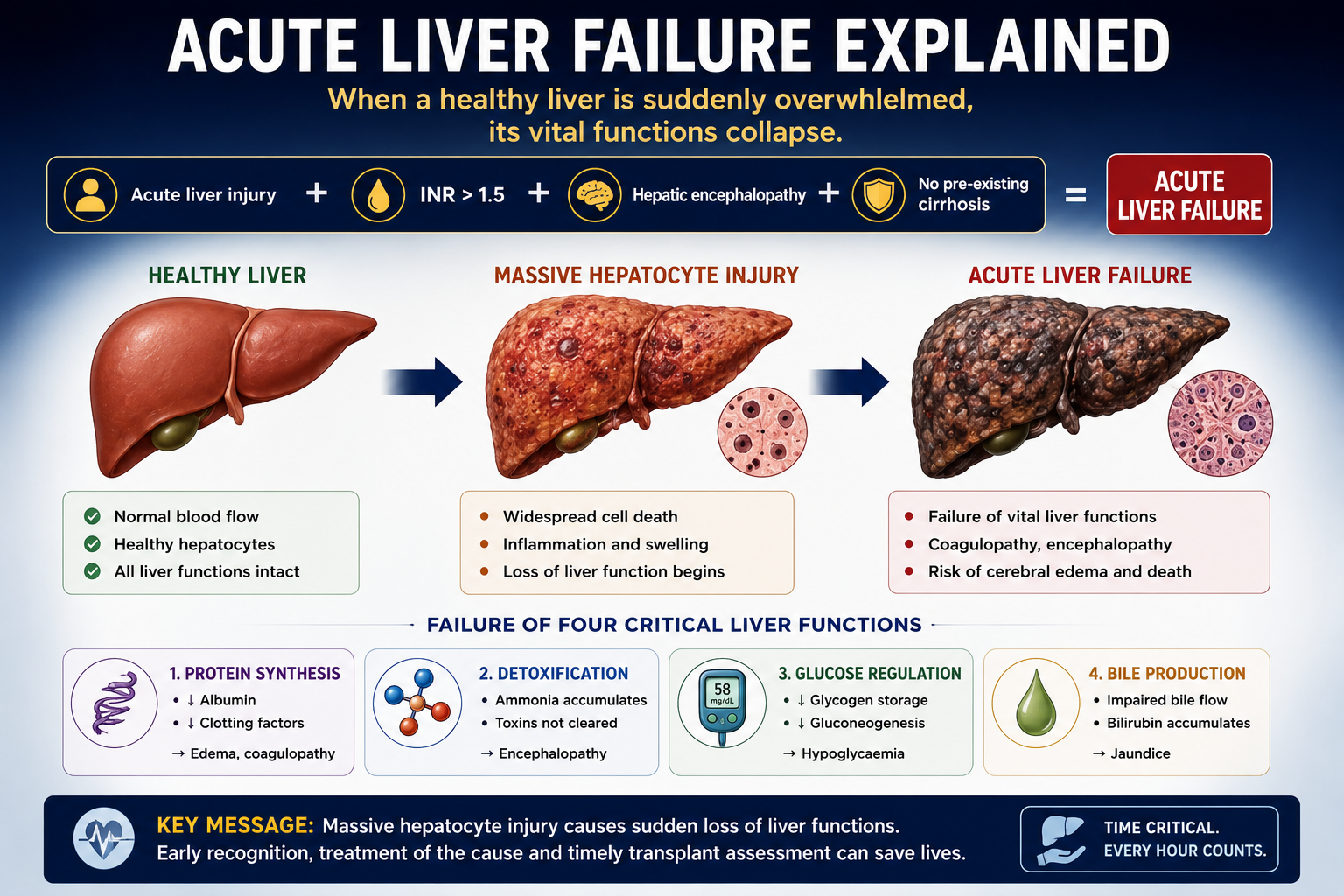
Acute Liver Failure Explained: Causes, Pathophysiology, Diagnosis & Management
Understand acute liver failure clearly: massive hepatocyte injury, hyperacute vs acute vs subacute ALF, INR rise, jaundice, encephalopathy, cerebral edema, cause-specific prognosis, ICU management and early transplant assessment.
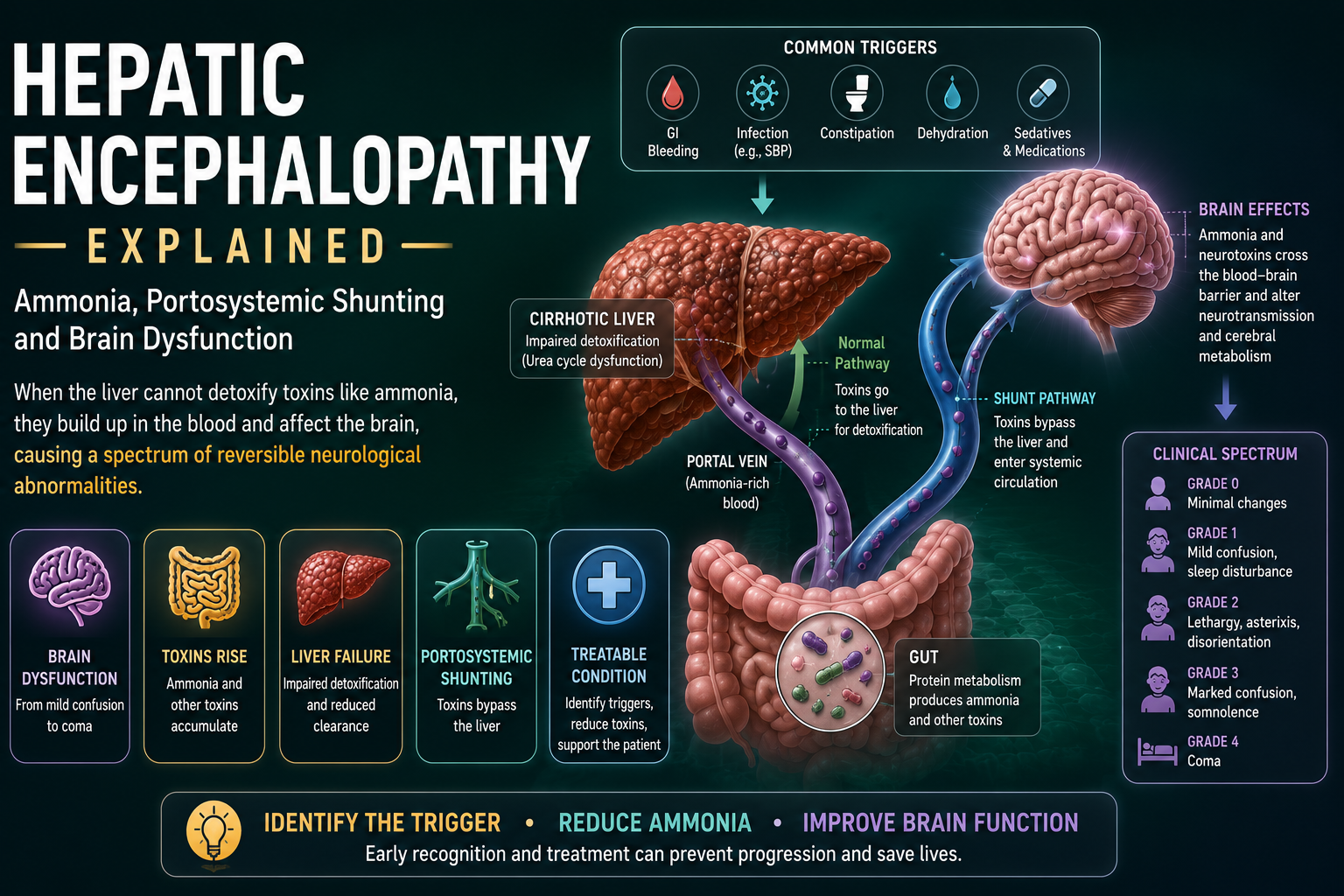
Hepatic Encephalopathy Explained: Ammonia, Portosystemic Shunting and Brain Dysfunction Made Simple
Understand hepatic encephalopathy clearly: ammonia interpretation, portosystemic shunting, covert and overt HE, West Haven grades, triggers, lactulose, rifaximin and TIPS.
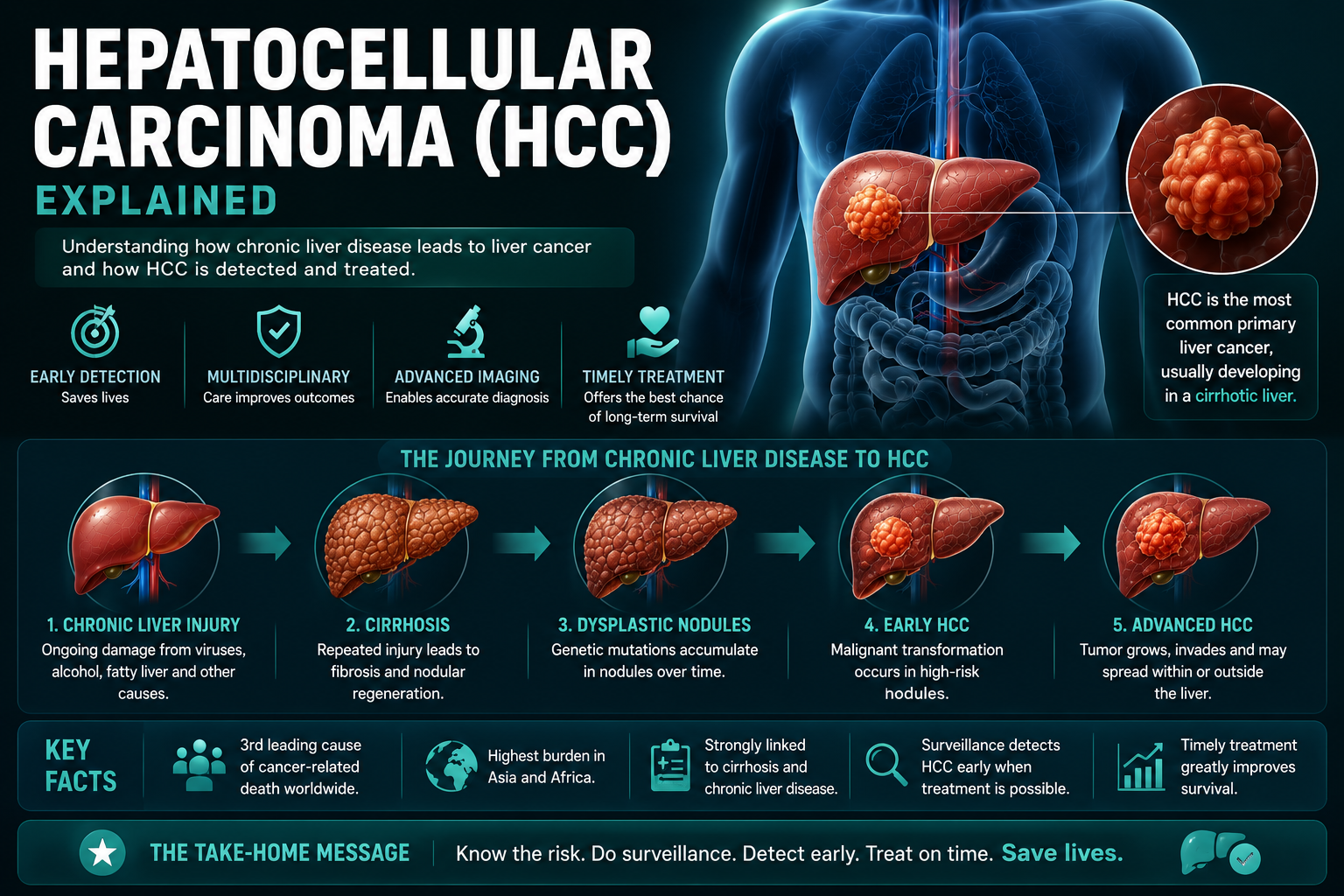
Hepatocellular Carcinoma (HCC) Explained: Causes, Surveillance, Diagnosis, LI-RADS and Treatment
Understand hepatocellular carcinoma clearly: cirrhosis and HCC risk, AFP, surveillance, blood supply arterialization, arterial enhancement and washout, LI-RADS, BCLC staging, Milan criteria, TACE and liver transplant for HCC.

TACE Explained: Transarterial Chemoembolization for Hepatocellular Carcinoma (HCC)
Understand TACE clearly: transarterial chemoembolization for HCC, arterial tumor supply, Child-Pugh suitability, conventional vs drug-eluting bead TACE, bridge therapy, downstaging, TACE vs TARE, mRECIST response assessment, repeat TACE and complications.
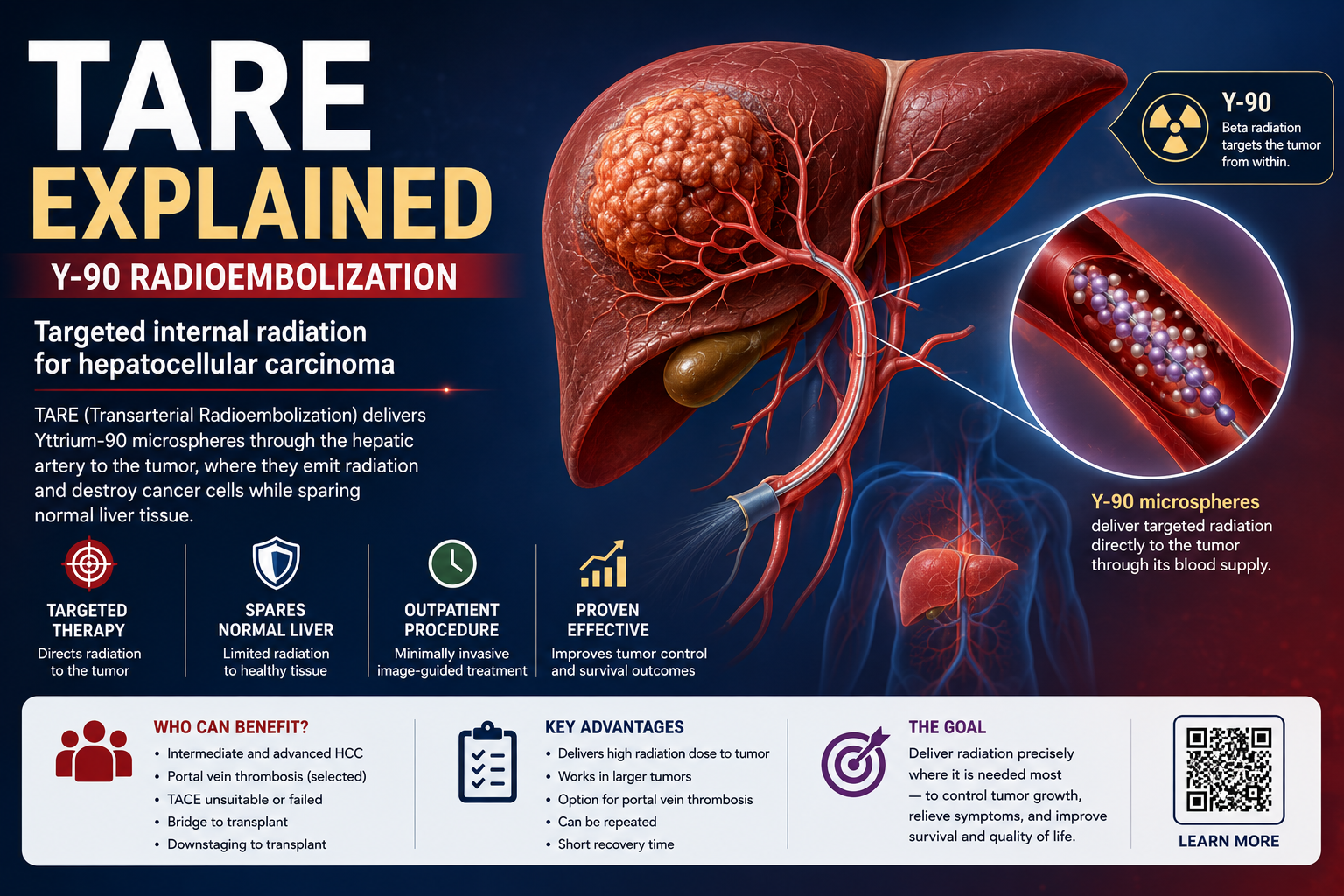
TARE Explained: Y-90 Radioembolization for Hepatocellular Carcinoma (HCC)
Understand TARE clearly: Y-90 radioembolization for HCC, arterial tumor targeting, mapping angiogram, lung shunt fraction, Y90 microspheres, BCLC role, radiation segmentectomy, radiation lobectomy, mRECIST, portal vein thrombosis, bridge therapy and downstaging.
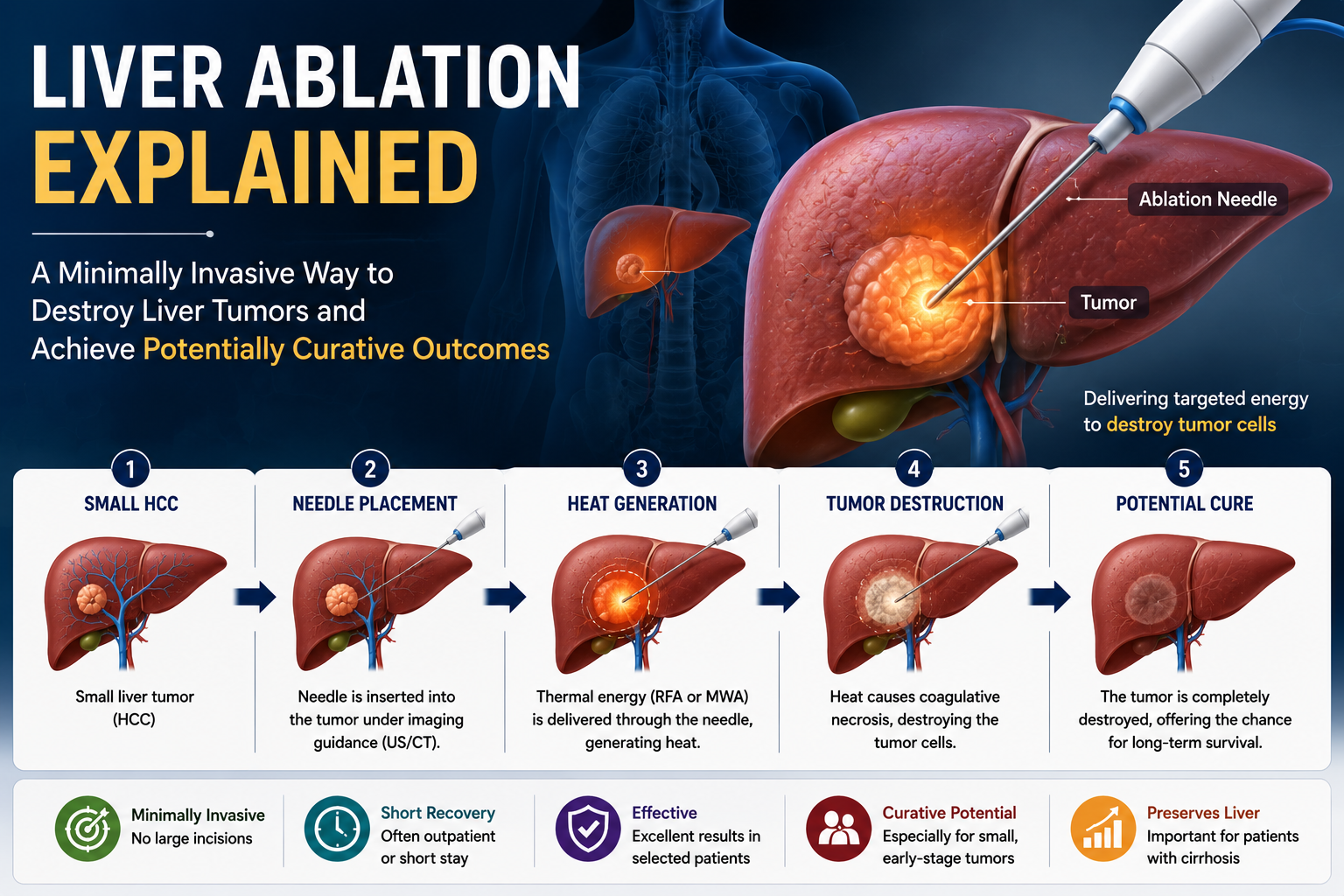
Liver Ablation Explained: Radiofrequency and Microwave Ablation for Hepatocellular Carcinoma (HCC)
Understand liver ablation clearly: RFA, MWA, thermal tumor destruction, indications, tumor size limits, ablation vs resection, transplant and TACE, complications, prognosis and curative-intent treatment for small HCC.

Acid-Base Disorders Explained: Acidosis, Alkalosis and ABG Interpretation
Learn acid-base disorders step-by-step including pH, bicarbonate, PaCO2, metabolic and respiratory disorders, compensation, ROME memory aid and basic ABG interpretation.

Metabolic Acidosis Explained: Causes, Anion Gap, Compensation and ABG Interpretation
Learn metabolic acidosis step-by-step including low bicarbonate, high and normal anion gap metabolic acidosis, GOLDMARK, compensation, Winter's Formula and ABG interpretation.
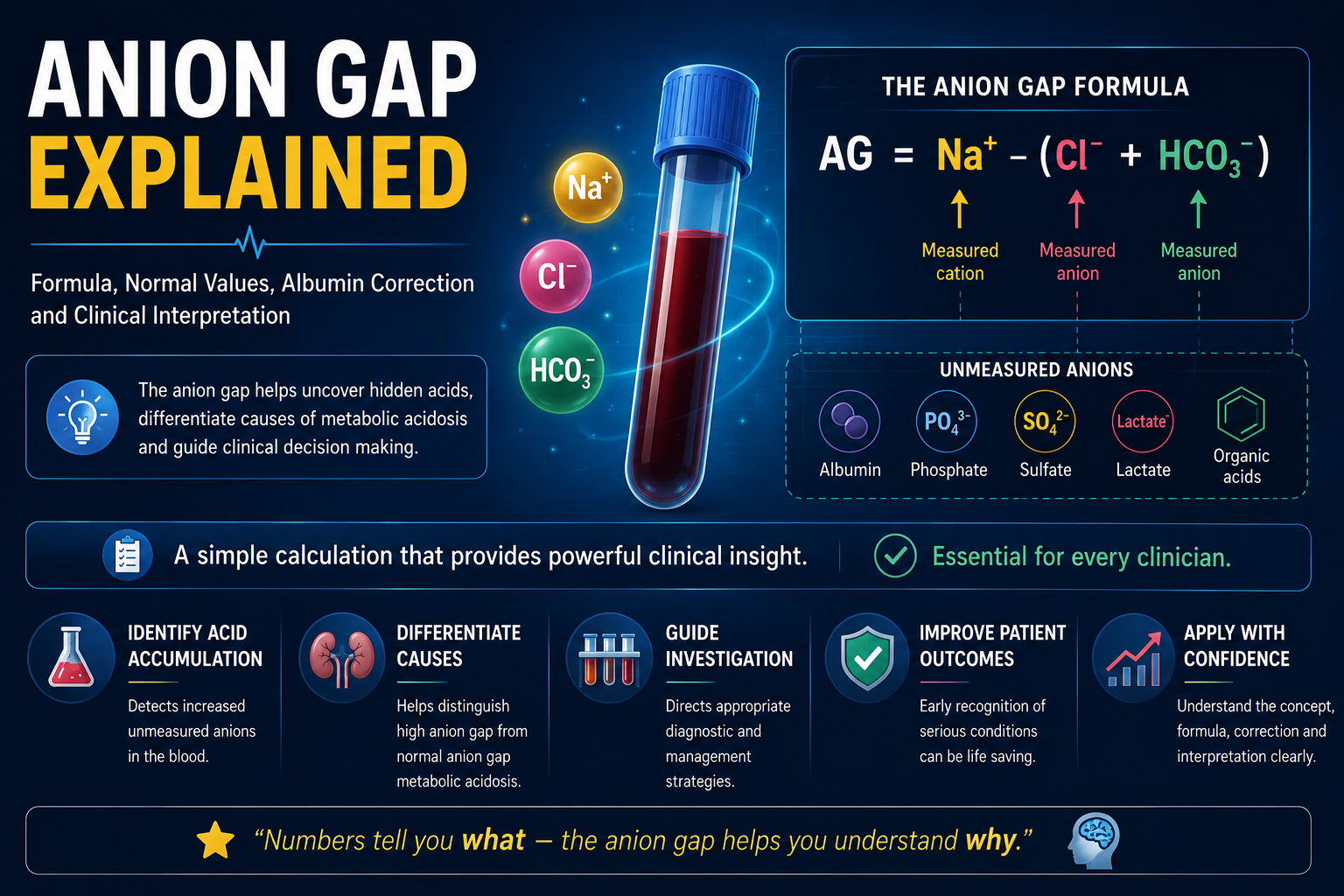
Anion Gap Explained: Formula, Normal Values, Albumin Correction and Clinical Interpretation
Learn the anion gap step-by-step including the formula, normal values, unmeasured anions, albumin correction, high anion gap metabolic acidosis and clinical interpretation.

Winter's Formula Explained: Expected PaCO2, Compensation and ABG Interpretation
Learn Winter's Formula step-by-step including expected PaCO2 calculation, respiratory compensation in metabolic acidosis, mixed disorders and ABG interpretation.
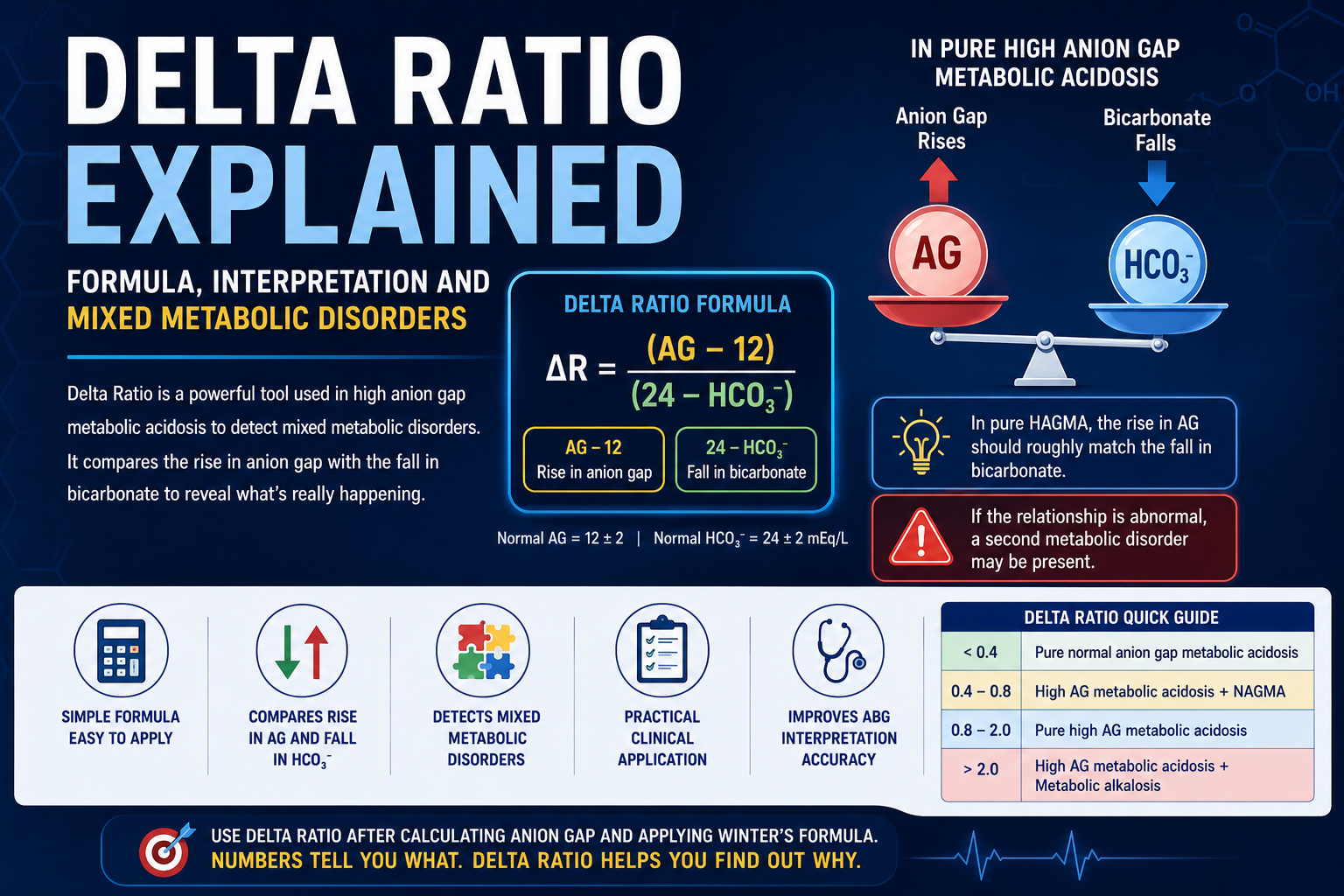
Delta Ratio Explained: Formula, Delta Gap and Mixed Metabolic Disorders
Learn the Delta Ratio step-by-step including the formula, interpretation, mixed metabolic disorders, high anion gap metabolic acidosis and worked clinical examples.

ABG Interpretation Explained: Step-by-Step Arterial Blood Gas Analysis
Learn ABG interpretation step-by-step including pH, PaCO2, HCO3, compensation, anion gap, Winter's Formula, Delta Ratio and worked clinical examples.

Metabolic Alkalosis Explained: Causes, ABG Interpretation and Diagnostic Approach
Learn metabolic alkalosis step by step including causes, ABG findings, chloride-responsive vs chloride-resistant alkalosis, urine chloride interpretation, respiratory compensation and clinical approach.

Respiratory Acidosis Explained: Causes, ABG Interpretation, Compensation & Management
Learn respiratory acidosis step by step. Understand carbon dioxide physiology, causes, ABG findings, acute vs chronic disease, compensation, diagnosis and management.

Respiratory Alkalosis Explained: Causes, ABG Interpretation, Compensation & Management
Learn respiratory alkalosis step by step including hyperventilation, carbon dioxide physiology, ABG interpretation, renal compensation, causes and management.

Acid-Base Compensation Explained: Respiratory, Renal Compensation & ABG Rules
Understand acid-base compensation with physiology, respiratory and renal compensation, Winter's formula, expected compensation rules and practical ABG interpretation.

Mixed Acid-Base Disorders Explained: Systematic ABG Interpretation
Learn how to diagnose mixed acid-base disorders using compensation rules, the anion gap, delta ratio and systematic ABG interpretation with clinical examples.

Electrolytes Explained: Physiology, Functions and Clinical Interpretation
Learn the physiology, functions and clinical interpretation of sodium, potassium, calcium, magnesium and phosphate with a systematic approach to electrolyte disorders.

Potassium Homeostasis Explained: Physiology, Regulation and Clinical Importance
Learn potassium homeostasis with a complete guide to potassium physiology, intracellular distribution, Na+/K+-ATPase, renal regulation and clinical significance.

Hypokalemia Explained: Causes, Symptoms, ECG Changes and Diagnosis
Learn hypokalemia step by step including low potassium causes, pathophysiology, symptoms, ECG changes, urinary potassium, acid-base clues and treatment principles.
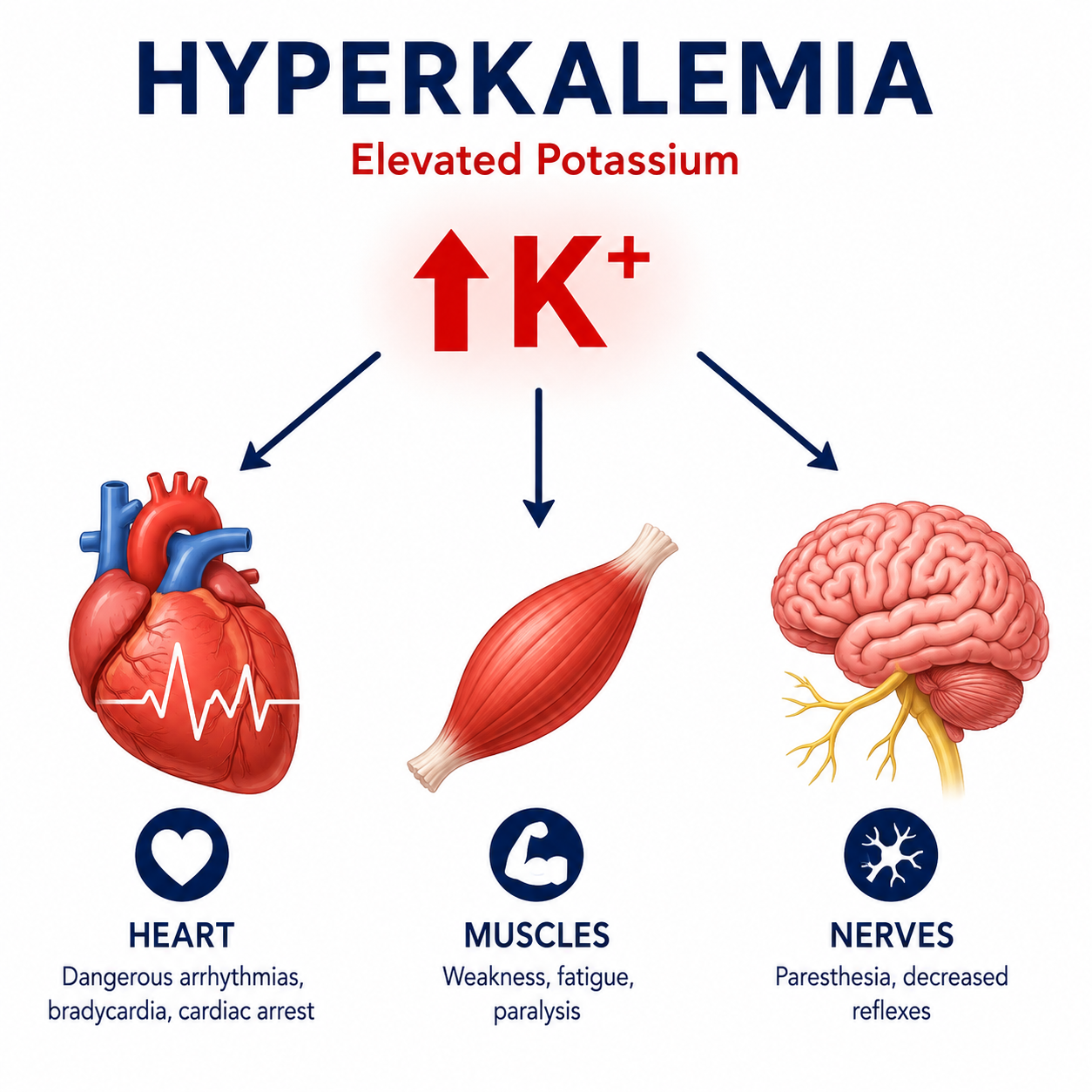
Hyperkalemia Explained: Causes, Symptoms, ECG Changes and Diagnosis
Learn hyperkalemia from first principles including high potassium causes, pathophysiology, symptoms, ECG changes, pseudohyperkalemia and treatment principles.

Potassium Replacement Explained: Oral vs IV Potassium, Monitoring and Safety
Learn safe potassium replacement including indications, oral versus intravenous potassium, monitoring, magnesium correction and common clinical scenarios.
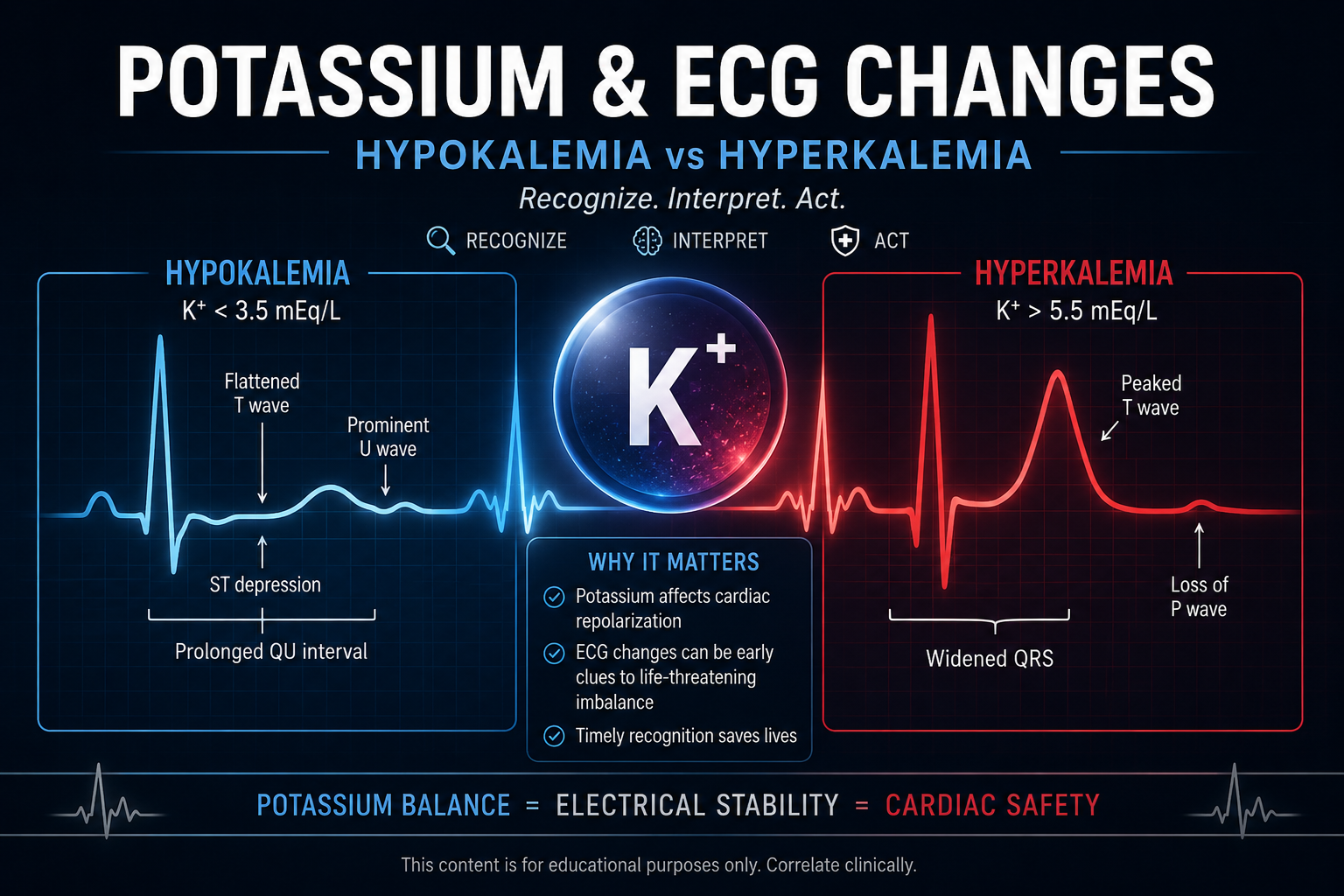
ECG Changes in Potassium Disorders: Hypokalemia and Hyperkalemia Explained
Learn ECG changes in potassium disorders including hypokalemia U waves, hyperkalemia peaked T waves, QRS widening, sine-wave morphology and clinical interpretation.
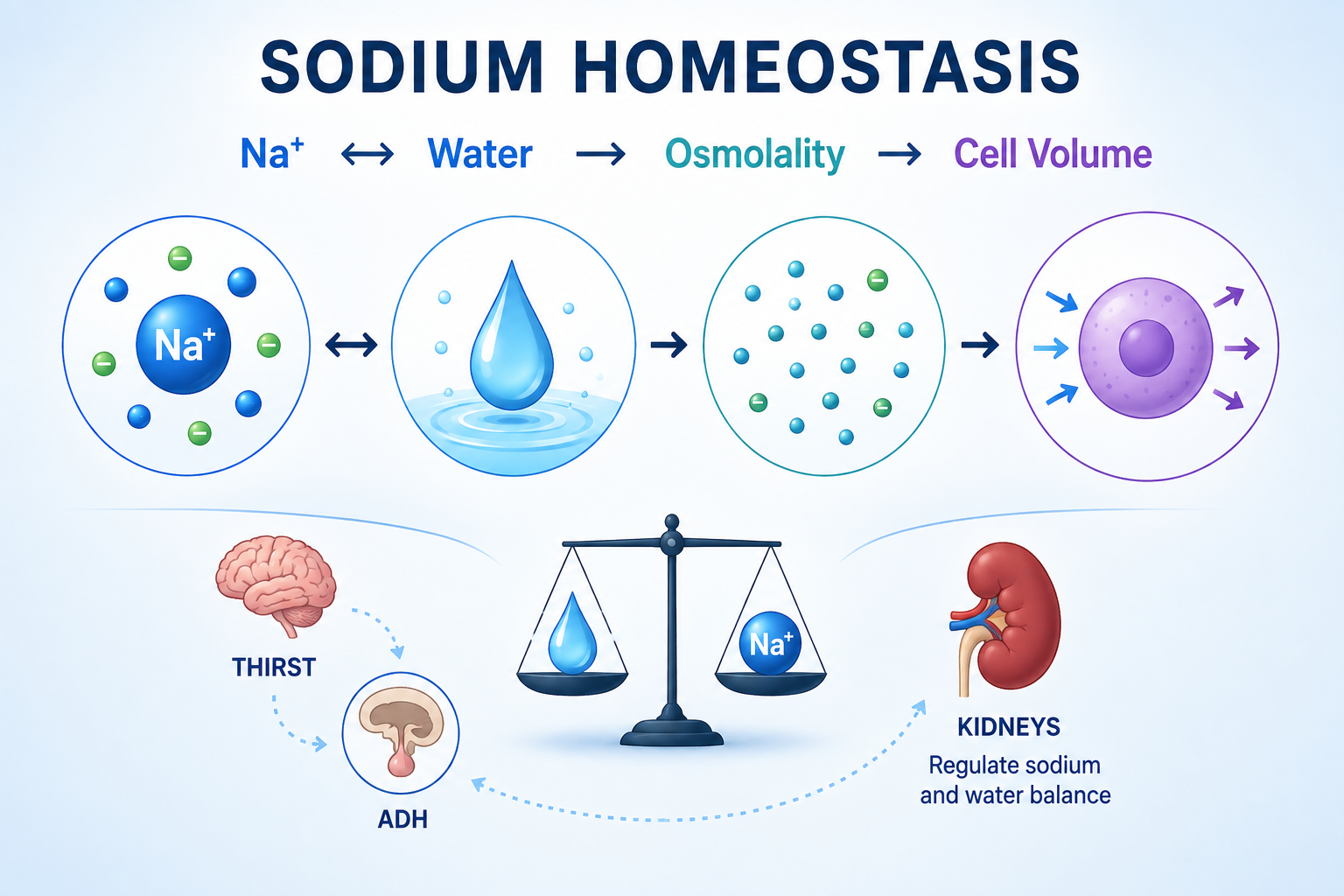
Sodium Homeostasis Explained: How the Body Controls Sodium, Water and Osmolality
Learn sodium homeostasis from first principles including serum sodium, total-body sodium, water balance, osmolality, tonicity, ADH, kidneys and volume regulation.

Serum Osmolality Explained: Calculation, Tonicity and Clinical Interpretation
Learn serum osmolality from first principles including measured vs calculated osmolality, formulas, tonicity, effective osmoles, osmolal gap and hyponatremia interpretation.

Hyponatremia Explained: Causes, Diagnosis, Symptoms and Treatment
Learn hyponatremia from first principles including causes, symptoms, hypotonic vs non-hypotonic hyponatremia, urine osmolality, urine sodium, SIADH and safe treatment principles.

Hypernatremia Explained: Causes, Diagnosis, Water Deficit and Treatment
Learn hypernatremia from first principles including causes, symptoms, diagnosis, urine osmolality, diabetes insipidus patterns, free-water deficit and safe treatment principles.

Urine Osmolality Explained: Interpretation, ADH and Clinical Use
Learn how to interpret urine osmolality in hyponatremia, hypernatremia, polyuria, SIADH and diabetes insipidus using renal water physiology.

SIADH Explained: Diagnosis, Causes, Urine Osmolality and Treatment
Learn SIADH from first principles including inappropriate antidiuresis, hypotonic hyponatremia, urine osmolality, urine sodium, causes, mimics and treatment principles.

Diabetes Insipidus Explained: Central vs Nephrogenic DI, Diagnosis and Treatment
Learn diabetes insipidus from first principles including AVP deficiency, AVP resistance, hypotonic polyuria, central vs nephrogenic DI, diagnosis and treatment principles.

Calcium Homeostasis Explained: PTH, Vitamin D, Bone and Kidney Regulation
Learn calcium homeostasis from first principles including ionized vs total calcium, albumin effects, CaSR, PTH, vitamin D, kidney, bone and calcium-phosphate regulation.
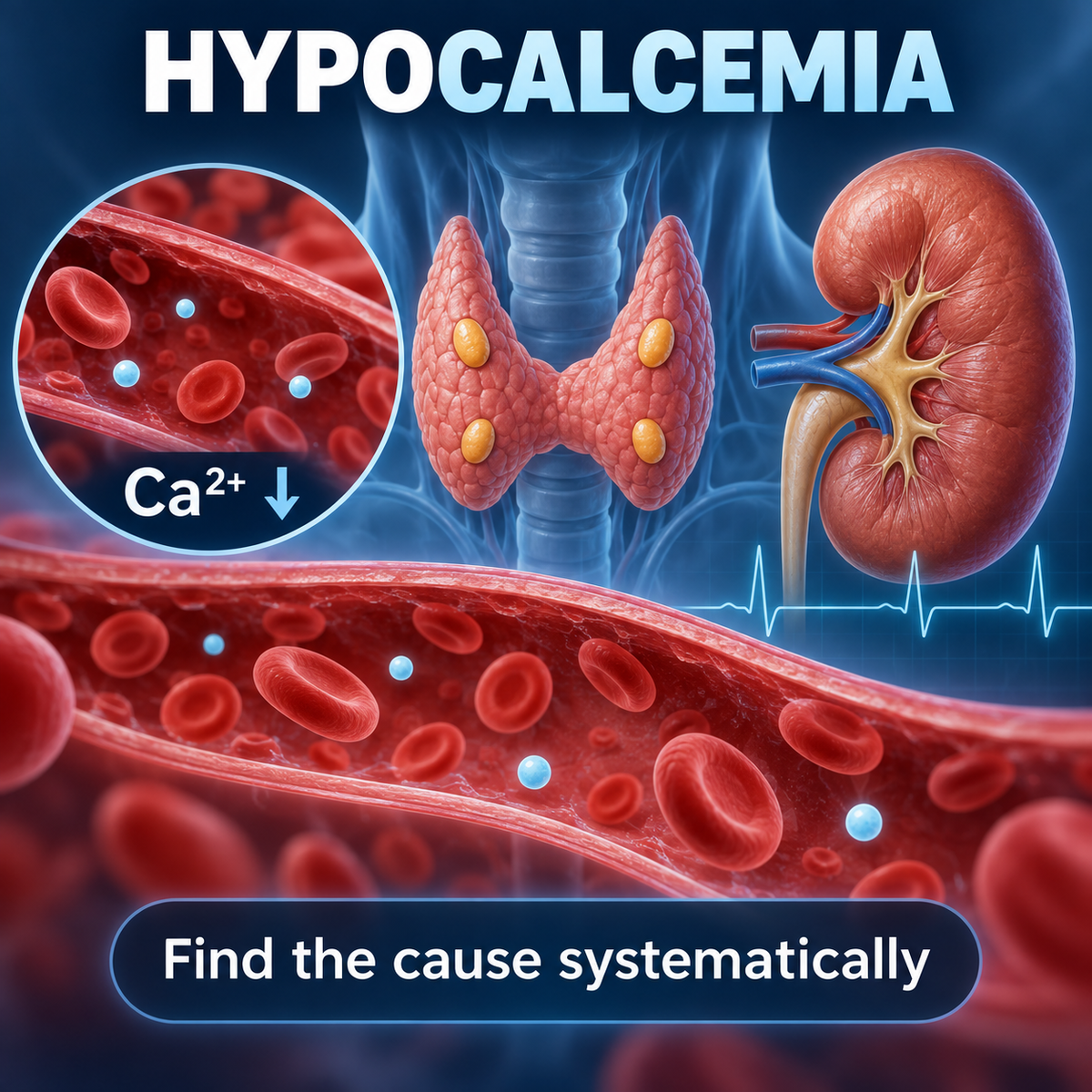
Hypocalcemia: Causes, PTH Diagnosis and Treatment
Learn hypocalcemia causes, symptoms, ECG changes, PTH-based diagnosis, ionized calcium, vitamin D and magnesium effects, and treatment principles.
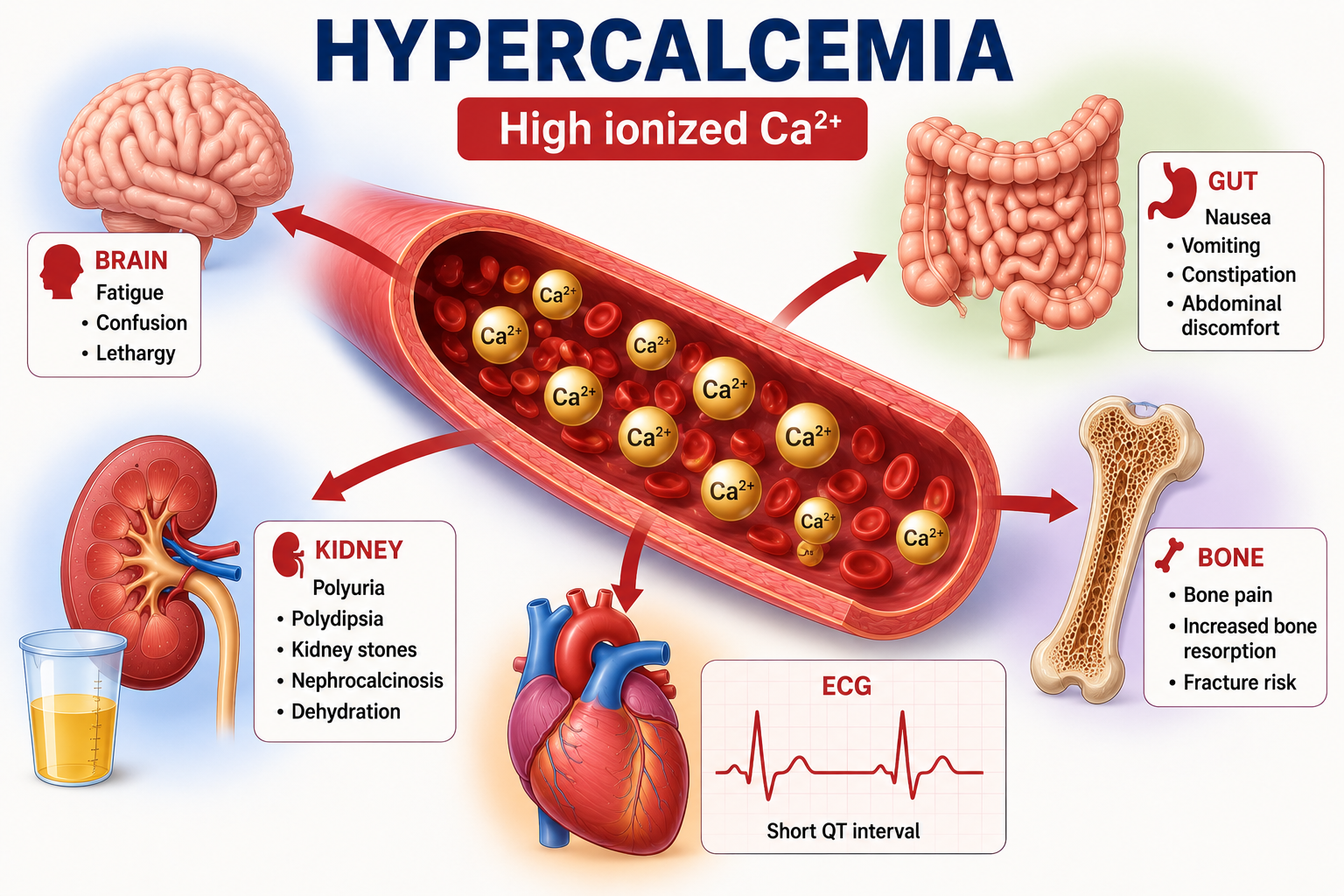
Hypercalcemia Explained: Causes, Symptoms, PTH-Based Diagnosis and Treatment
Learn hypercalcemia causes, symptoms, PTH-based diagnosis, malignancy and hyperparathyroidism patterns, ECG changes and treatment principles.

Magnesium Homeostasis Explained: Absorption, Renal Handling and Regulation
Learn magnesium homeostasis, intestinal absorption, renal Mg2+ handling, TAL and DCT reabsorption, TRPM6, and links with potassium and calcium.

Hypomagnesemia Explained: Causes, Symptoms, ECG Changes, Diagnosis and Treatment
Learn hypomagnesemia causes, symptoms, ECG effects, renal vs GI magnesium loss, FEMg, hypokalemia, hypocalcemia and treatment principles.

Hypermagnesemia Explained: Causes, Symptoms, ECG Changes, Diagnosis and Treatment
Learn hypermagnesemia causes, symptoms, ECG effects, magnesium toxicity, renal failure risk, hyporeflexia, calcium treatment and dialysis principles.
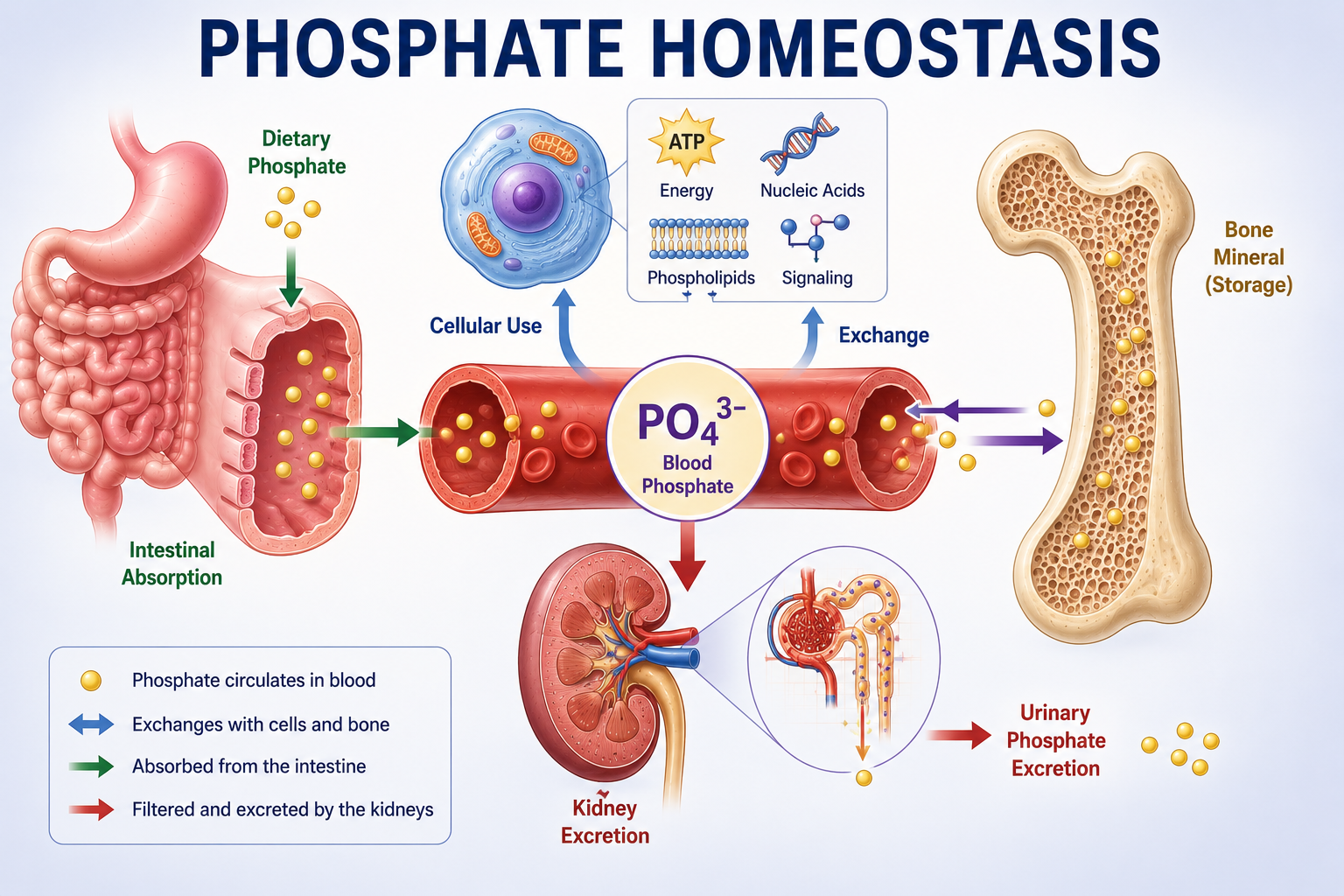
Phosphate Homeostasis Explained: PTH, FGF23, Vitamin D and Renal Regulation
Learn phosphate homeostasis through renal phosphate handling, PTH, FGF23, calcitriol, NaPi transporters, bone and intestinal phosphate absorption.

Hypophosphatemia Explained: Causes, Symptoms, Renal Phosphate Wasting, Diagnosis and Treatment
Learn hypophosphatemia causes, symptoms, ATP effects, refeeding, respiratory alkalosis, renal phosphate wasting, urinary phosphate interpretation and treatment principles.

Hyperphosphatemia Explained: Causes, Calcium Effects, CKD, Diagnosis and Treatment
Learn hyperphosphatemia causes, CKD phosphate retention, calcium and PTH effects, tumor lysis, rhabdomyolysis, phosphate binders and treatment principles.

CKD-Mineral and Bone Disorder Explained: Phosphate, Calcium, PTH, Vitamin D and FGF23
Learn CKD-mineral and bone disorder, including phosphate retention, FGF23, calcitriol, PTH, renal osteodystrophy, vascular calcification and treatment principles.

Secondary Hyperparathyroidism Explained: Causes, CKD, Calcium, Phosphate and Treatment
Learn secondary hyperparathyroidism, why PTH rises in CKD and vitamin D deficiency, calcium and phosphate patterns, tertiary HPT and treatment principles.

Vitamin D Metabolism Explained: Synthesis, Activation, PTH, Calcium and Phosphate
Learn vitamin D metabolism from skin and diet to liver 25-OH vitamin D and kidney calcitriol, including PTH, FGF23, calcium, phosphate, bone and CKD physiology.
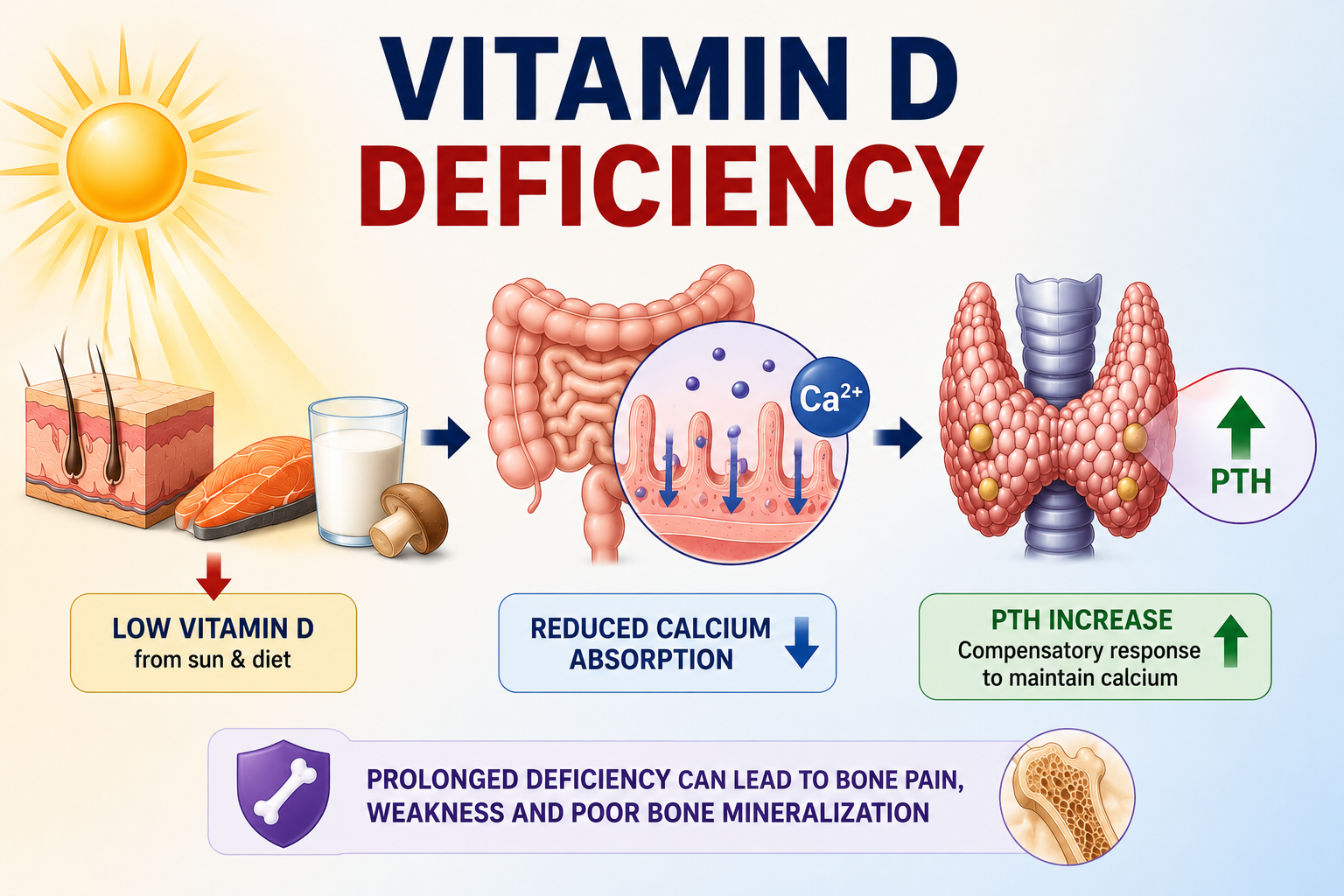
Vitamin D Deficiency Explained: Causes, Diagnosis, Secondary Hyperparathyroidism and Treatment
Learn vitamin D deficiency causes, diagnosis, 25-OH vitamin D testing, calcium, phosphate and PTH changes, osteomalacia risk and treatment principles.
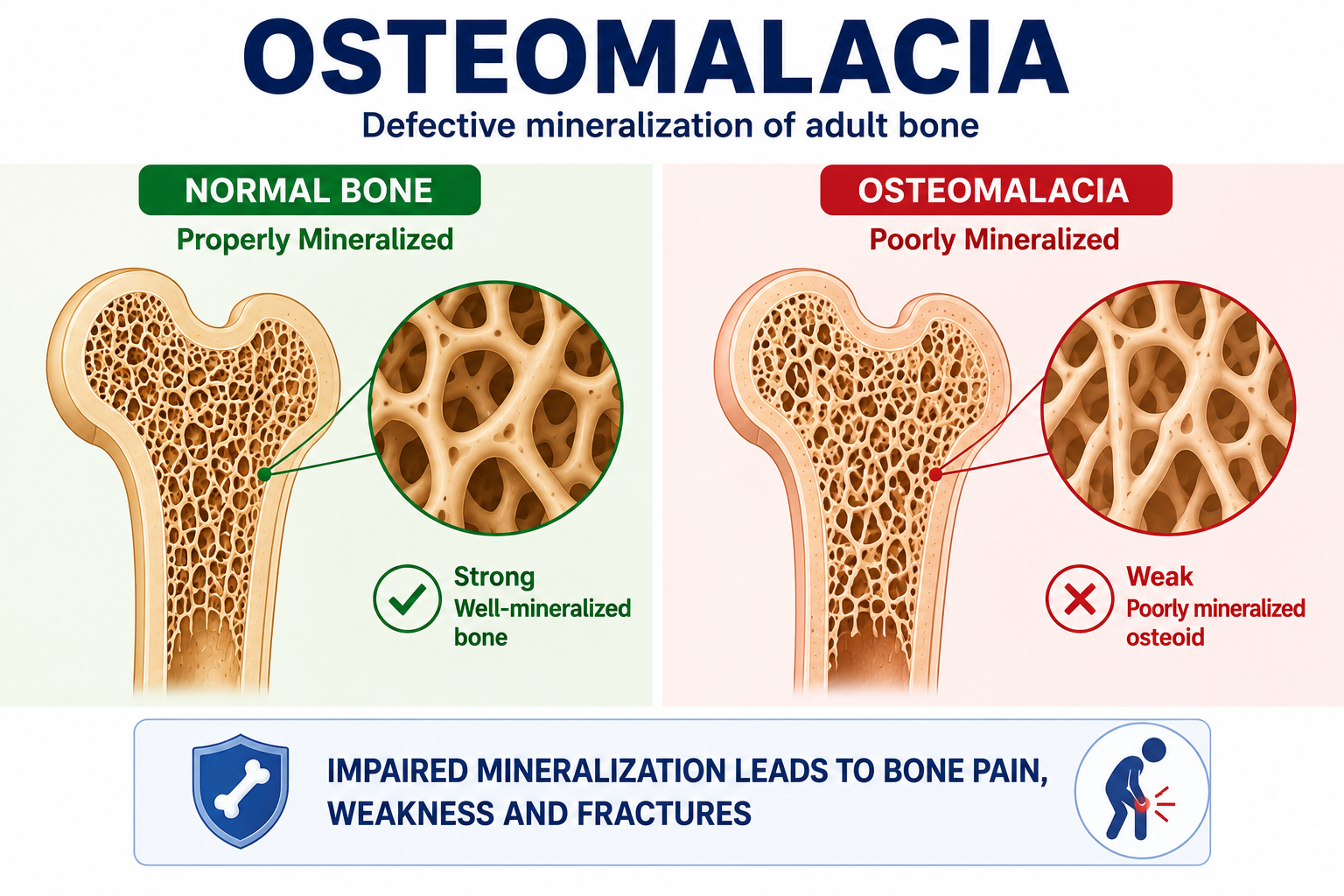
Osteomalacia Explained: Causes, Laboratory Patterns, Diagnosis and Treatment
Learn osteomalacia causes, symptoms, laboratory patterns, vitamin D and phosphate disorders, Looser zones, diagnosis, osteoporosis differences and treatment.

Renal Phosphate Wasting Explained: TRP, FEPO4, TmP/GFR, FGF23 and Hypophosphatemia
Learn how to diagnose renal phosphate wasting using TRP, FEPO4 and TmP/GFR, distinguish renal from nonrenal hypophosphatemia, and interpret FGF23.
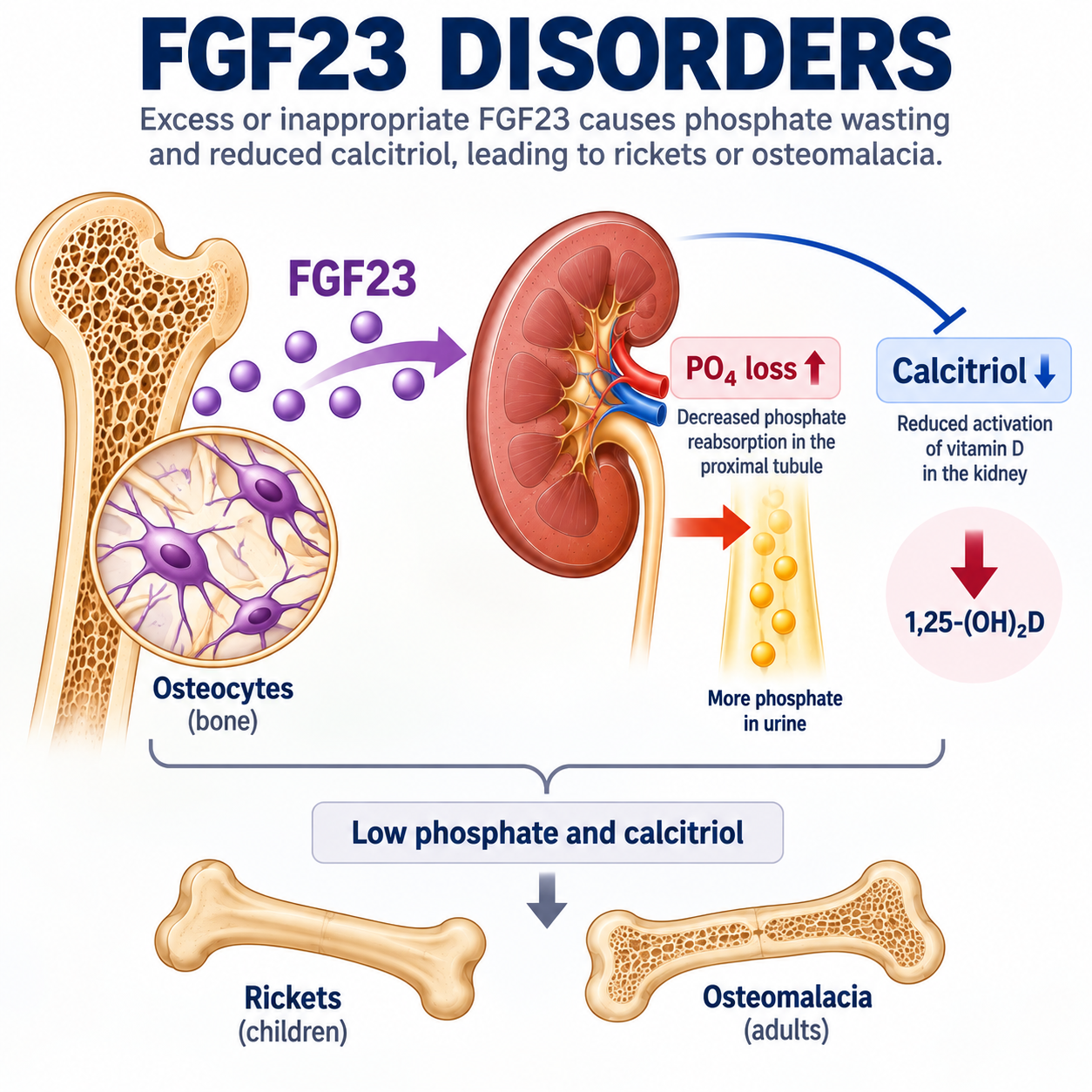
FGF23 Disorders Explained: Tumor-Induced Osteomalacia, XLH and Hypophosphatemic Disorders
Learn FGF23 physiology, FGF23-mediated hypophosphatemia, XLH, tumor-induced osteomalacia, renal phosphate wasting, diagnosis and treatment principles.
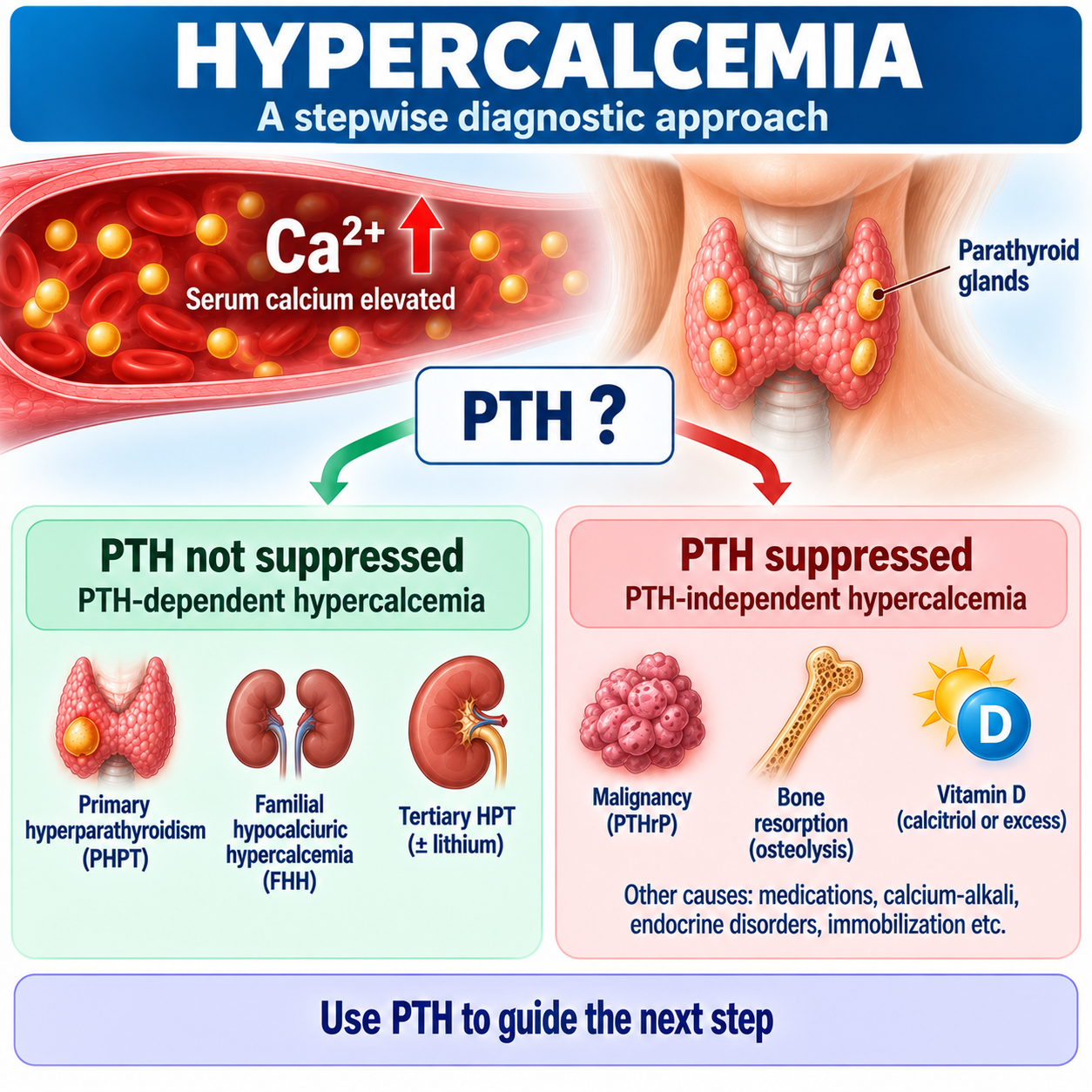
Hypercalcemia Diagnostic Approach: PTH-Dependent vs PTH-Independent Causes
Learn a stepwise hypercalcemia diagnostic approach using PTH, ionized calcium, PTHrP, vitamin D, malignancy clues and other major causes.

Learn how to evaluate high PTH with normal calcium, exclude secondary hyperparathyroidism, diagnose normocalcemic PHPT and understand management.

Learn familial hypocalciuric hypercalcemia (FHH), CaSR physiology, urinary calcium, CCCR, genetics and how to distinguish FHH from primary hyperparathyroidism.

Primary Hyperparathyroidism Explained: Calcium, PTH, Phosphate, Diagnosis and Management
Learn primary hyperparathyroidism, PTH and calcium physiology, diagnosis, FHH differentiation, kidney and bone complications, surgery and treatment.

X-Linked Hypophosphatemia Explained: PHEX, FGF23, Diagnosis and Treatment
Learn X-linked hypophosphatemia (XLH), PHEX and FGF23 physiology, childhood and adult features, diagnosis, renal phosphate wasting and treatment.
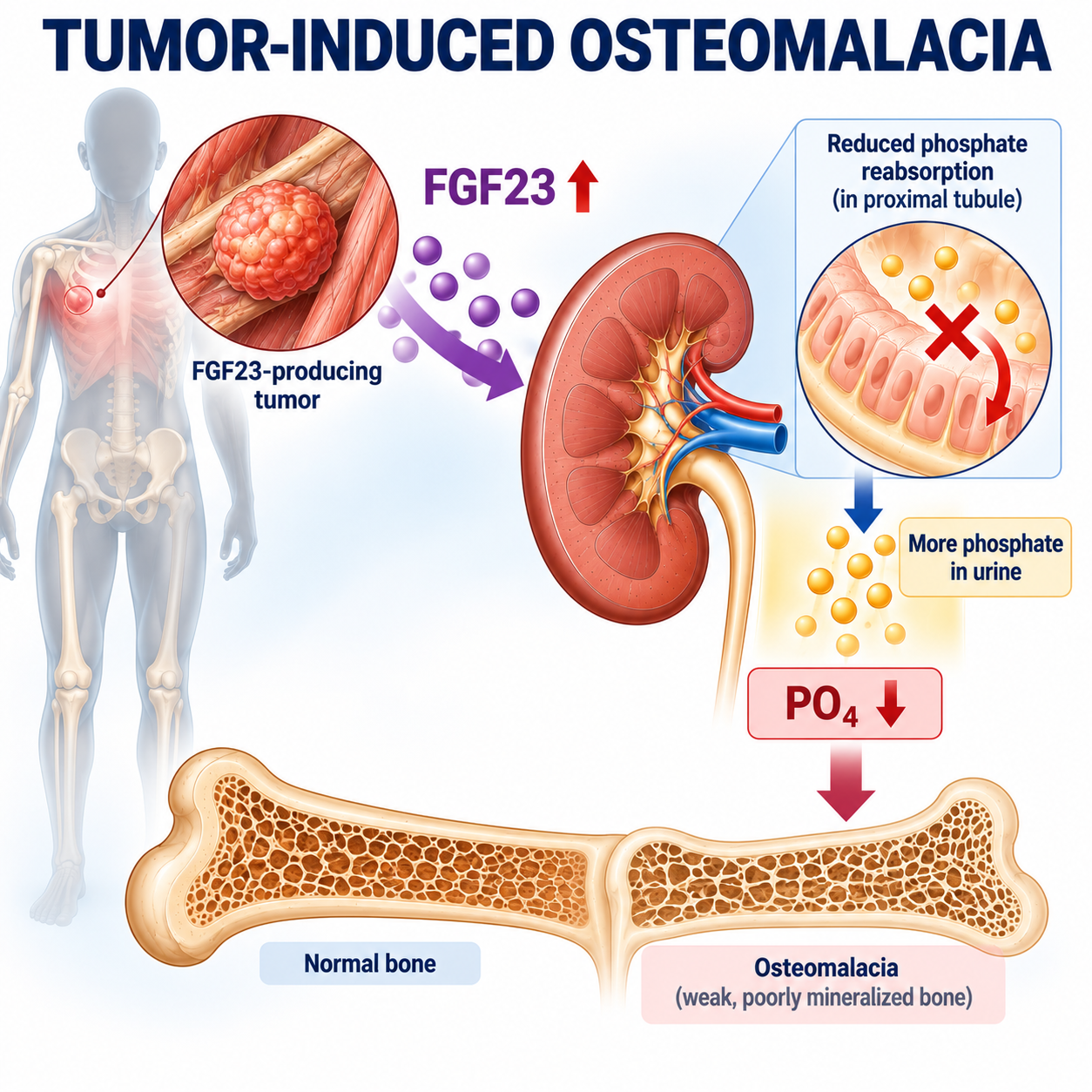
Tumor-Induced Osteomalacia Explained: Diagnosis, FGF23 Testing, Tumor Localization and Treatment
Learn tumor-induced osteomalacia (TIO), its FGF23 laboratory pattern, renal phosphate wasting, tumor localization, imaging and treatment principles.
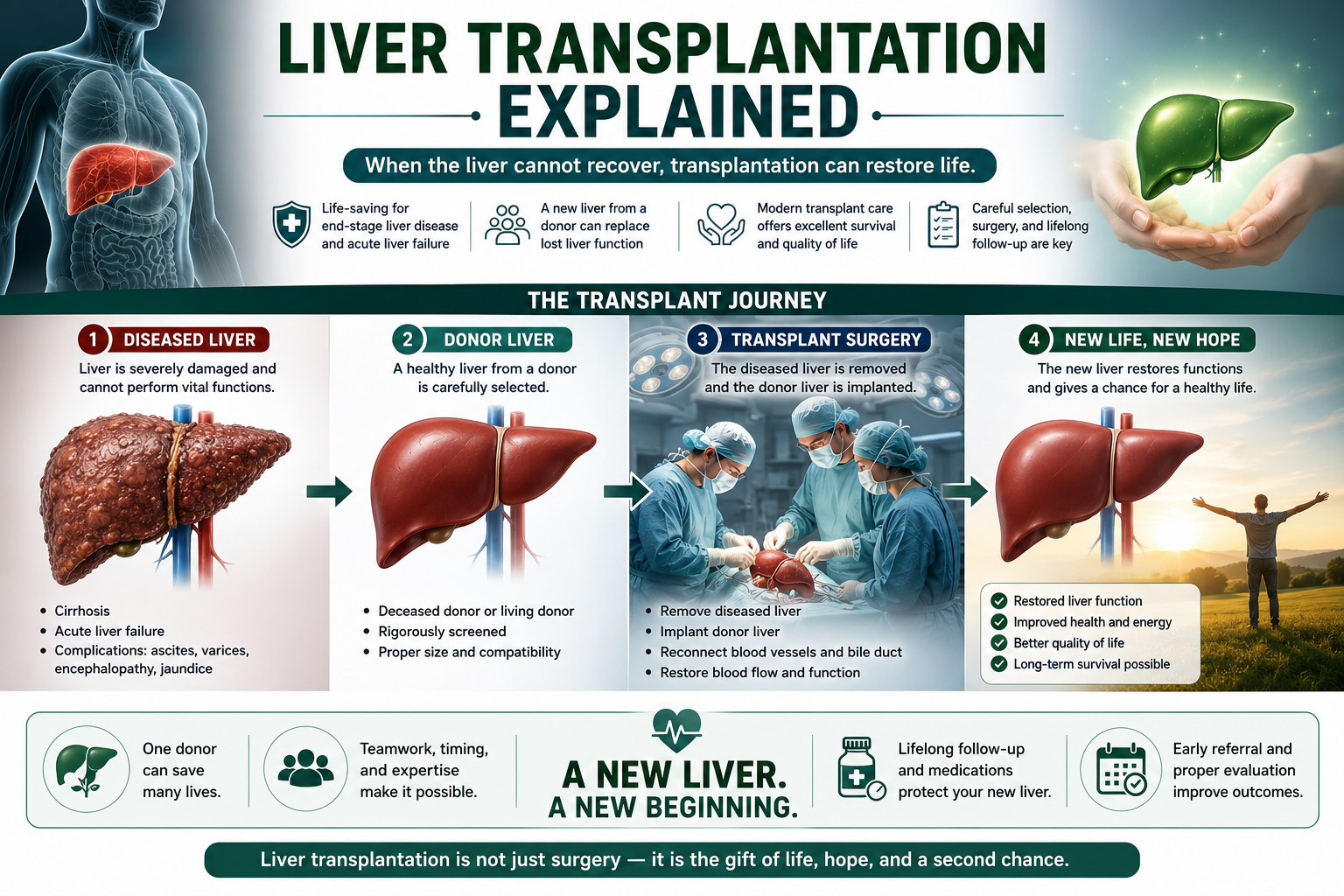
Liver Transplantation Explained: Indications, MELD Score, Surgery, Rejection & Outcomes
Understand liver transplantation clearly: indications, HCC criteria, MELD allocation, donor livers, OLT, living donor transplant, liver regeneration, rejection, immunosuppression, bridge therapy and life after transplant.
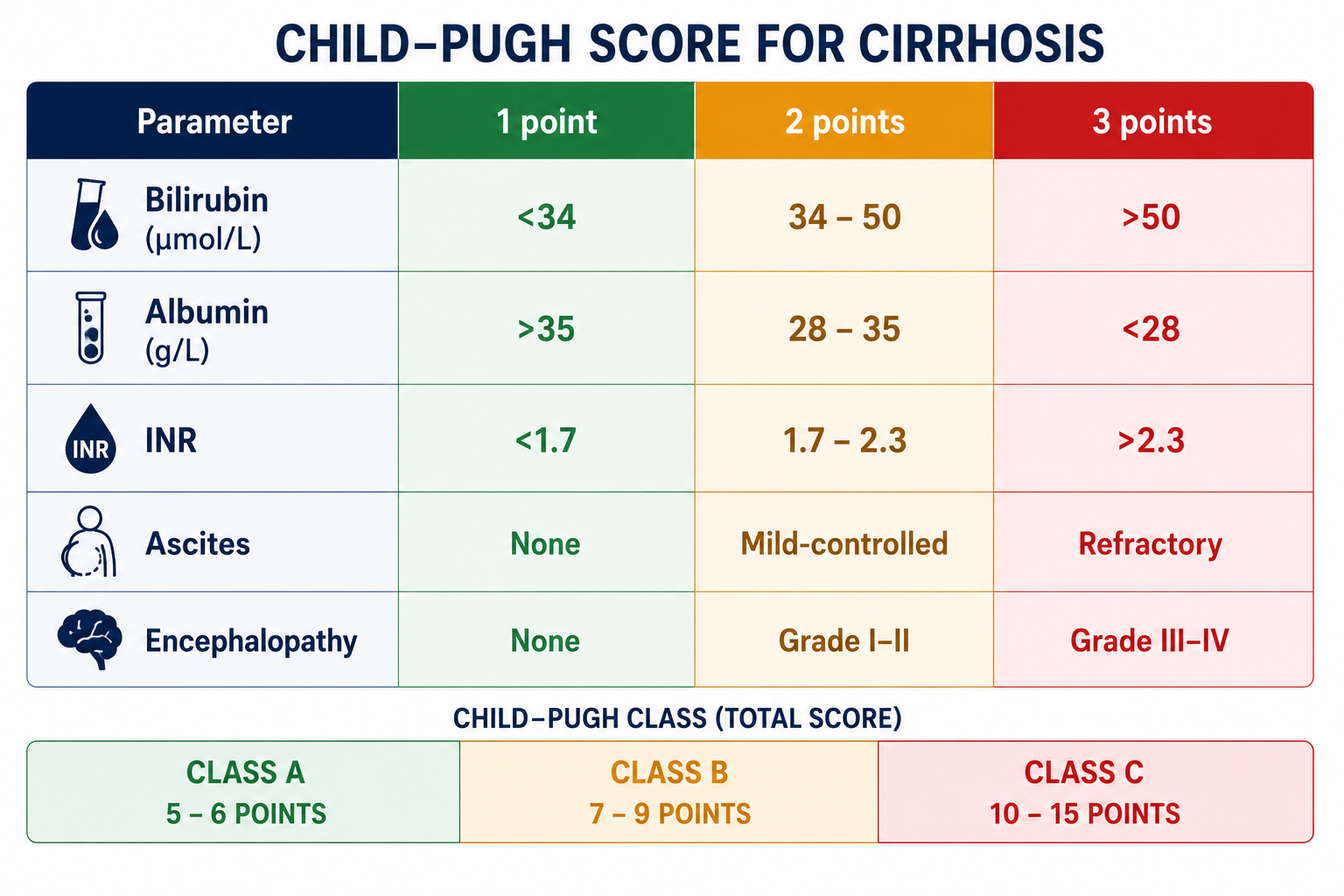
The five components of Child-Pugh scoring, worked example, Classes A, B, and C, prognosis, limitations, and comparison with the MELD score.
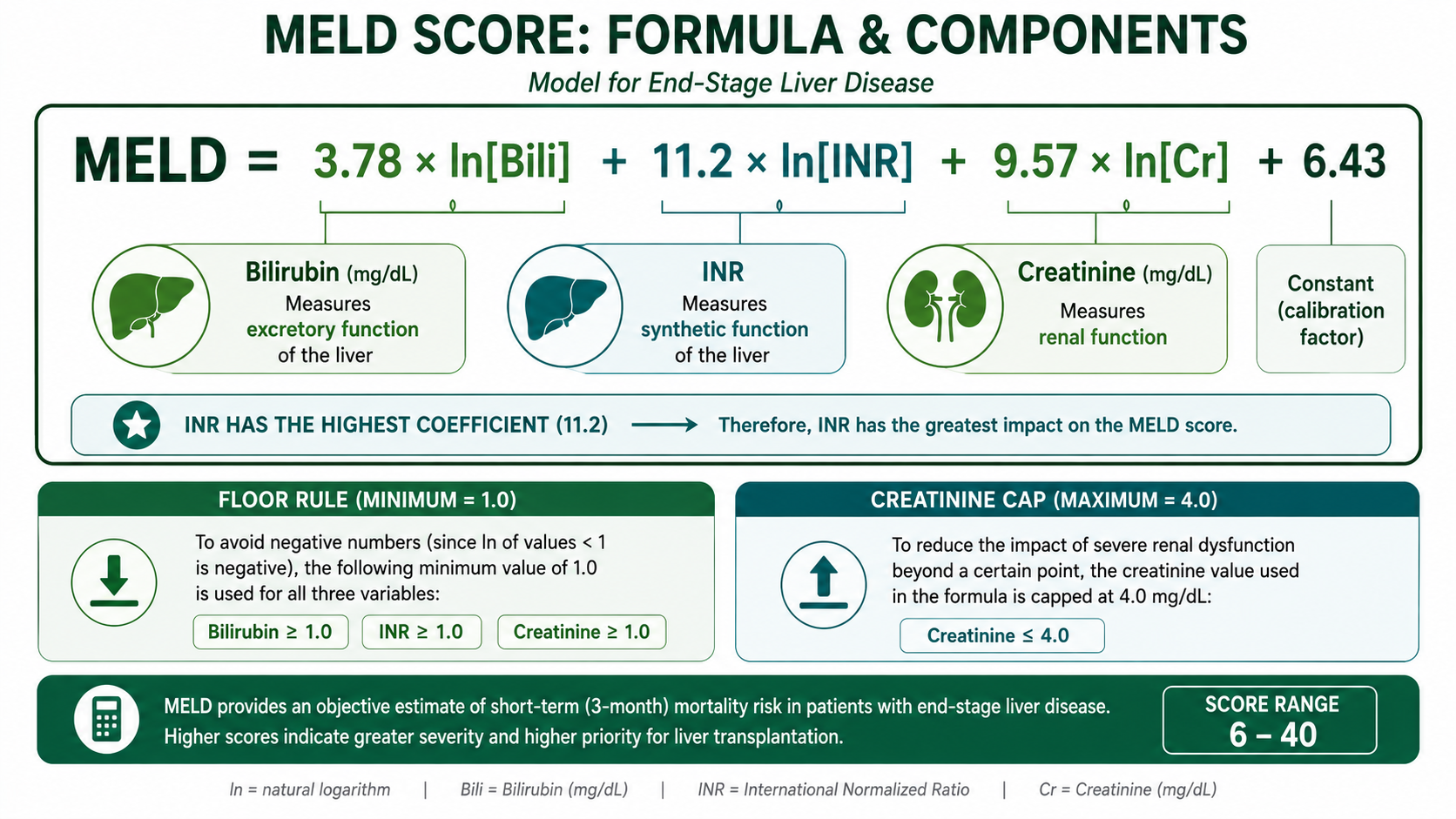
MELD formula (bilirubin, INR, creatinine), worked example, score interpretation ranges, MELD-Na, transplant prioritisation, and comparison with Child-Pugh.
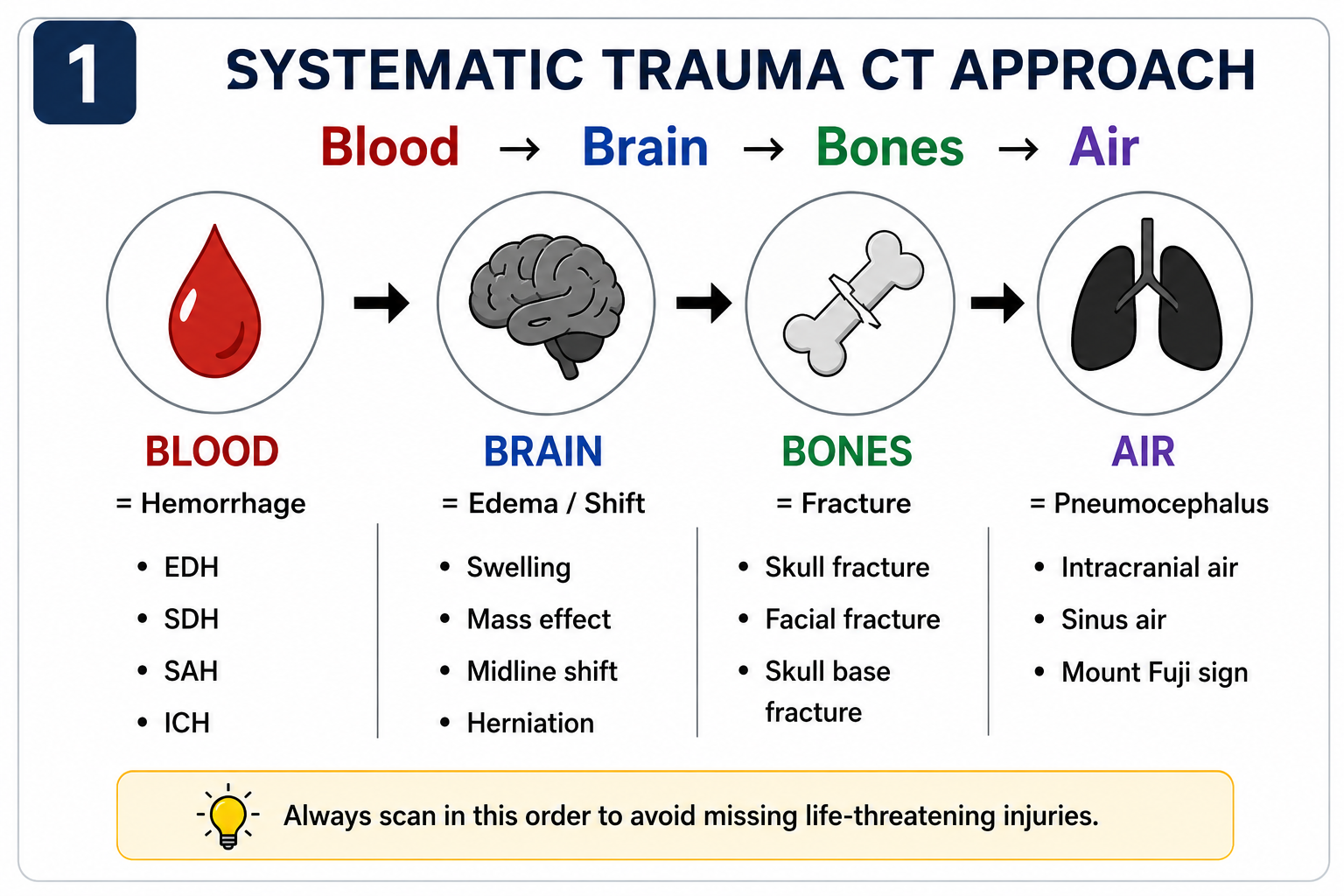
How to Read a Trauma CT Brain: EDH, SDH, SAH, ICH and Skull Fractures
Systematic approach to trauma head CT — CT density, window settings, haematomas, diffuse axonal injury, skull fractures, mass effect, and how to report findings.
No articles match your search.
Recently Added
Learning Pathways
Follow these curated sequences for structured learning.
- Portal Hypertension Explained
- Ascites Explained
- SAAG Explained
- Spontaneous Bacterial Peritonitis (SBP) Explained: Pathophysiology, Diagnosis, PMN Count and Clinical Approach
- Hepatorenal Syndrome (HRS) Explained: Pathophysiology, Diagnosis and Clinical Approach
- Variceal Bleeding Explained: Pathophysiology, Clinical Features and Management Principles
- TIPS Explained: Transjugular Intrahepatic Portosystemic Shunt Made Simple
- Hepatic Encephalopathy Explained: Ammonia, Portosystemic Shunting and Brain Dysfunction Made Simple
- Portal Hypertensive Gastropathy (PHG) Explained: Pathophysiology, PHG vs GAVE & Treatment
- Hepatic Hydrothorax Explained: Pathophysiology, Diagnosis, Treatment & TIPS
- Budd-Chiari Syndrome Explained: Pathophysiology, Causes, Diagnosis & Treatment
- Acute Liver Failure Explained: Causes, Pathophysiology, Diagnosis & Management
- Hepatocellular Carcinoma (HCC) Explained: Causes, Surveillance, Diagnosis, LI-RADS and Treatment
- TACE Explained: Transarterial Chemoembolization for Hepatocellular Carcinoma (HCC)
- TARE Explained: Y-90 Radioembolization for Hepatocellular Carcinoma (HCC)
- Liver Ablation Explained: Radiofrequency and Microwave Ablation for Hepatocellular Carcinoma (HCC)
- Liver Transplantation Explained: Indications, MELD Score, Surgery, Rejection & Outcomes
- Child-Pugh Score Explained
- MELD Score Explained
- Acid-Base Disorders Explained: Acidosis, Alkalosis and ABG Interpretation
- ABG Interpretation Explained: Step-by-Step Arterial Blood Gas Analysis
- Metabolic Acidosis Explained: Causes, Anion Gap, Compensation and ABG Interpretation
- Metabolic Alkalosis Explained: Causes, ABG Interpretation and Diagnostic Approach
- Respiratory Acidosis Explained: Causes, ABG Interpretation, Compensation & Management
- Respiratory Alkalosis Explained: Causes, ABG Interpretation, Compensation & Management
- Acid-Base Compensation Explained: Respiratory, Renal Compensation & ABG Rules
- Anion Gap Explained: Formula, Normal Values, Albumin Correction and Clinical Interpretation
- Winter's Formula Explained: Expected PaCO2, Compensation and ABG Interpretation
- Delta Ratio Explained: Formula, Delta Gap and Mixed Metabolic Disorders
- Mixed Acid-Base Disorders Explained: Systematic ABG Interpretation
- Electrolytes Explained: Physiology, Functions and Clinical Interpretation
- Potassium Homeostasis Explained: Physiology, Regulation and Clinical Importance
- Hypokalemia Explained: Causes, Symptoms, ECG Changes and Diagnosis
- Hyperkalemia Explained: Causes, Symptoms, ECG Changes and Diagnosis
- Potassium Replacement Explained: Oral vs IV Potassium, Monitoring and Safety
- ECG Changes in Potassium Disorders: Hypokalemia and Hyperkalemia Explained
- Sodium Homeostasis Explained: How the Body Controls Sodium, Water and Osmolality
- Serum Osmolality Explained: Calculation, Tonicity and Clinical Interpretation
- Hyponatremia Explained: Causes, Diagnosis, Symptoms and Treatment
- Hypernatremia Explained: Causes, Diagnosis, Water Deficit and Treatment
- Urine Osmolality Explained: Interpretation, ADH and Clinical Use
- SIADH Explained: Diagnosis, Causes, Urine Osmolality and Treatment
- Diabetes Insipidus Explained: Central vs Nephrogenic DI, Diagnosis and Treatment
- Calcium Homeostasis Explained: PTH, Vitamin D, Bone and Kidney Regulation
- Hypocalcemia: Causes, PTH Diagnosis and Treatment
- Hypercalcemia Explained: Causes, Symptoms, PTH-Based Diagnosis and Treatment
- Magnesium Homeostasis Explained: Absorption, Renal Handling and Regulation
- Hypomagnesemia Explained: Causes, Symptoms, ECG Changes, Diagnosis and Treatment
- Hypermagnesemia Explained: Causes, Symptoms, ECG Changes, Diagnosis and Treatment
- Phosphate Homeostasis Explained: PTH, FGF23, Vitamin D and Renal Regulation
- Hypophosphatemia Explained: Causes, Symptoms, Renal Phosphate Wasting, Diagnosis and Treatment
- Hyperphosphatemia Explained: Causes, Calcium Effects, CKD, Diagnosis and Treatment
- CKD-Mineral and Bone Disorder Explained: Phosphate, Calcium, PTH, Vitamin D and FGF23
- Secondary Hyperparathyroidism Explained: Causes, CKD, Calcium, Phosphate and Treatment
- Vitamin D Metabolism Explained: Synthesis, Activation, PTH, Calcium and Phosphate
- Vitamin D Deficiency Explained: Causes, Diagnosis, Secondary Hyperparathyroidism and Treatment
- Osteomalacia Explained: Causes, Laboratory Patterns, Diagnosis and Treatment
- Renal Phosphate Wasting Explained: TRP, FEPO4, TmP/GFR, FGF23 and Hypophosphatemia
- FGF23 Disorders Explained: Tumor-Induced Osteomalacia, XLH and Hypophosphatemic Disorders
- Tumor-Induced Osteomalacia Explained: Diagnosis, FGF23 Testing, Tumor Localization and Treatment
Browse by Specialty
More articles are being added. Submit your own article to contribute.